
Manila
National Capital Region, Philippines
Why visit Manila?
Manila (Tagalog: Maynila) is the capital of the Philippines and the heart of the nation's culture, history, and commerce. Founded in 1571 by Spanish conquistador Miguel López de Legazpi, Manila has been shaped by centuries of colonial rule — Spanish, American, and Japanese occupation — leaving a layered urban fabric of Baroque churches, Art Deco buildings, and sprawling shopping malls. The city proper sits on the eastern shore of Manila Bay, bordered by the Pasig River, and is one of the densest cities on earth with over 1.8 million people packed into 42 km².
Manila's climate is tropical wet-and-dry (Am) with a distinct dry season from December to May and a wet season from June to November. The coolest months are December–February (24–30°C); the hottest are April–May (26–34°C). Typhoon season runs June–October. The best time to visit is December–February when humidity is lowest.
The city is divided into 16 districts, the most notable for travellers being Intramuros (the historic walled city), Ermita and Malate (tourist belt with hotels and nightlife), Binondo (the world's oldest Chinatown), and Quiapo (bustling market district).
Planning Manila? Tell us your dates and we’ll tailor the trip.
Ask on WhatsAppHow do you get there?
By Plane
Ninoy Aquino International Airport (MNL IATA) is 7 km south of Manila in Pasay. Terminal 1 serves international flights; Terminal 2 (NAIA Centennial) is Philippine Airlines' domestic hub; Terminal 3 serves most other international carriers; Terminal 4 serves domestic budget carriers. From the airport, take a yellow airport taxi (₱300–500 to central Manila, 30–60 min depending on traffic) or use ride-hailing apps (Grab ₱200–400). The NAIA Loop shuttle bus connects all four terminals for free.
By Train
Manila's main railway station is Tutuban (also known as Manila Railway Station) in Tondo, served by Philippine National Railways (PNR) Metro Commuter Line from Laguna and Quezon. However, PNR service is limited and unreliable. Most long-distance travellers arrive via bus or air.
By Car / Road
From the north (Clark, Angeles), take the North Luzon Expressway (NLEX) via the Smart Connect Toll Road to the city. From the south (Cavite, Laguna, Batangas), take the South Luzon Expressway (SLEX). Traffic is notorious — weekday rush hours (7–10 AM, 4–8 PM) can double travel times. The major bus terminals are in Cubao (Quezon City) and Pasay (Parañaque Integrated Terminal Exchange).
The Metro Manila rail network consists of three lines: LRT-1 (yellow, running north–south along Taft Avenue and Rizal Avenue), LRT-2 (purple, east–west from Recto to Antipolo), and MRT-3 (blue, running along EDSA). Single-journey fare ₱15–30. Jeepneys and buses cover routes the trains don't, but are slow in traffic. Tricycles service short neighbourhood trips (₱20–50 per ride). Grab is widely available and recommended for door-to-door trips. Walking is possible in Intramuros, Binondo, and along the Baywalk, but sidewalks are uneven and traffic crossings can be chaotic.
What are the things to do?
Intramuros — The historic walled city, home to Fort Santiago, San Agustín Church (UNESCO World Heritage Site), Casa Manila museum, and cobblestone streets lined with Spanish colonial architecture. Open daily; kalesa (horse-drawn carriage) tours ₱350–500 for 30 min.
Rizal Park (Luneta) — A 58-hectare green space along Roxas Boulevard featuring the Rizal Monument, a Chinese garden, and the National Museum complex. Free entry. Open 24 hours.
National Museum of the Philippines — Three buildings on the Rizal Park complex: the National Museum of Fine Arts (home to Juan Luna's "Spoliarium"), the National Museum of Anthropology, and the National Museum of Natural History. Free entry on Sundays. Open Tue–Sun 9AM–5PM.
Binondo — The world's oldest Chinatown, centred on Ongpin Street. Visit Seng Guan Temple, Binondo Church, and the bustling food stalls along Carvajal Street. Best explored on foot.
San Agustín Church — A UNESCO World Heritage Site within Intramuros, built 1587–1604. Its baroque façade and trompe-l'œil ceiling paintings are stunning. Entry ₱200. Open daily 8AM–5PM.
Manila Ocean Park — A marine-themed park with underwater tunnels, penguin exhibits, and a Jell-O exhibit. Behind the Quirino Grandstand. Entry ₱600–1000 depending on packages. Open daily 9AM–6PM.
Malacañang Palace — The official residence of the President of the Philippines. Public tours available by appointment only (book via the Presidential Museum). The adjacent Presidential Museum is open to all Tue–Sun 9AM–4PM.
Walk the Intramuros walls — A 4.5-km circuit on top of the 16th-century fortifications, offering views of the city and Manila Bay.
Ride a bamboo bike in Intramuros — Bambike Ecotours rents bamboo bicycles for a guided tour of Intramuros (₱400 per hour).
Watch sunset over Manila Bay — Best from the Baywalk along Roxas Boulevard or from a rooftop bar in Malate.
Explore Divisoria Market — Manila's biggest wholesale and retail market in Tondo, ideal for bargain shopping. Go early (6–9 AM) to avoid crowds. Watch your belongings.
Take a food crawl in Binondo — Join a guided food tour (e.g., Old Manila Walks, ₱1,500) or explore solo along Ongpin Street and the Carvajal Street "Humburger Alley."
Planning Manila? Want these on a customised itinerary?
Ask on WhatsAppWhere to eat?
- Binondo food stalls — Dumplings, hopia (bean-filled pastries), and freshly made siopao. Try Dong Bei Dumplings (Ongpin Street) for xiao long bao.
- Barbara's Heritage Restaurant (Intramuros) — Serves traditional Filipino dishes like kare-kare, adobo, and crispy pata with optional cultural dance show. Main courses ₱300–600.
- Ristorante delle Mitre (Intramuros, inside San Agustín Church museum) — Italian-Filipino cuisine in a courtyard setting. Lunch sets ₱400–600.
- Quick eats on Taft Avenue — Numerous carinderias (local eateries) serving affordable meals (₱50–100) like silog breakfasts, pancit, and lugaw.
Where to drink?
San Miguel Beer (Pale Pilsen, Red Horse) is the ubiquitous Filipino lager. For non-alcoholic options, try sago't gulaman (tapioca pearls in brown-sugar water) or fresh buko (coconut) juice from street vendors. Rooftop bars in Malate and Ermita, such as The Penthouse 8747 or Bayleaf's Sky Deck, offer cocktails with a view of Manila Bay. Tap water is not safe to drink — stick to bottled or filtered water.
Planning Manila? We’ll book the stays and dining for you.
Ask on WhatsAppWhere to stay?
- Budget: Friendly's Guest Inn (Ermita, dorm beds ₱400–600, private rooms ₱800–1,200); Z-Hostel (Malate, dorm ₱500–700).
- Mid-range: Hotel H2O (Luneta, aquarium-themed rooms ₱2,500–4,000); Bayleaf Intramuros (boutique hotel on the Intramuros walls, rooms ₱3,000–5,000).
- Upscale: Manila Hotel (Roxas Boulevard, historic property dating to 1912, from ₱8,000); Diamond Hotel (Roxas Boulevard, rooms ₱5,000–8,000).
What should you buy?
- Divisoria — The city's largest market for bulk goods, fabrics, fresh flowers, and toys. Bargaining is expected; aim for 30–50% off the initial price.
- Binondo Ongpin Street — Gold jewellery, traditional Chinese medicines, and incense.
- Quiapo Market — Known for herbal remedies, religious items (especially the Black Nazarene souvenirs), electronics, and love potions. Open daily; most active on Sundays.
- SM Manila (San Marcelino Street) and Robinsons Place Manila (Ermita) — Modern shopping malls with department stores, cinemas, and food courts.
Where to go next?
- Quezon City (15 min by LRT/MRT) — The former capital, home to sprawling BGC, Quezon Memorial Circle, and vibrant food scenes in Maginhawa and Katipunan.
- Tagaytay (2 hours by bus) — Cool highland retreat overlooking Taal Volcano and Lake. Bus from PITX Pasay.
- Corregidor Island (1.5 hours by ferry from Manila Bay) — Historic island fortress from World War II.
- Pampanga (2.5 hours by bus) — Culinary capital of the Philippines with well-preserved Spanish colonial churches and Mount Pinatubo day trips.
- Laguna (2 hours by bus from Cubao) — Pagsanjan Falls hot springs and Nagcarlan Underground Cemetery.
Sample itinerary
Manila features in a real Tripcuro trip — see the full day-by-day plan.
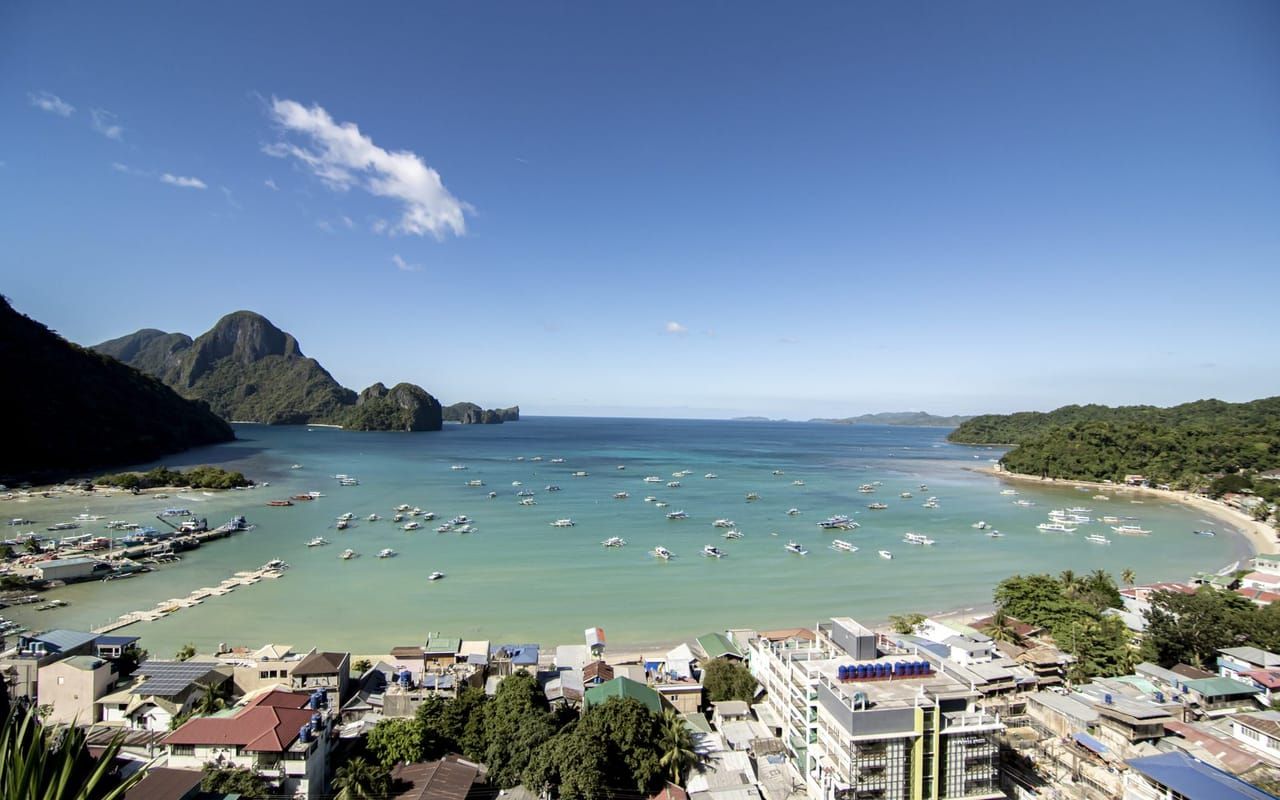
Philippines Cebu Adventure Escape
7 Nights · Philippines · Couple (vegetarian)
An adventure-led week through the heart of the Philippines: swim with whale sharks, cliff-jump through Kawasan canyon, dive the world-famous sardine run, then slow down for a spa day on Mactan.
Highlights: Whale shark snorkeling at Oslob · Kawasan canyoneering cliff jumps · Moalboal sardine run dive · Full-day couple's spa on Mactan · Top of Cebu 360° dinner · Taal Volcano crater hike
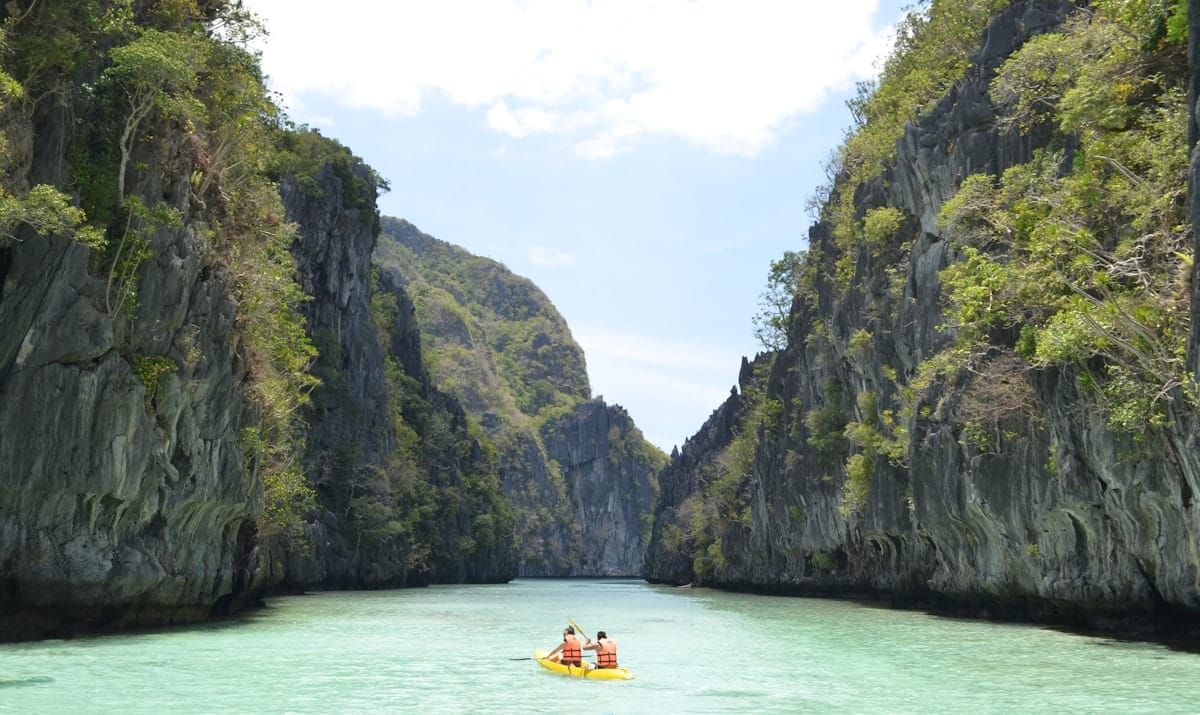
Palawan & Cebu Island Adventure
7 Nights · Philippines · Couple (vegetarian)
A two-island Philippines escape pairing Palawan's Underground River and Bacuit Bay lagoons with Cebu's whale sharks and Kawasan canyoneering. Seven nights, fully vegetarian-friendly.
Highlights: Puerto Princesa Underground River (UNESCO cave tour) · El Nido island hopping Tours B & C in Bacuit Bay · Swim with whale sharks at Oslob · Kawasan Falls canyoneering near Moalboal · Sabang mangrove paddle boat and zipline · Vegetarian dining mapped near every hotel
Nearby in National Capital Region
More places to explore around Manila.
Guide content as of July 2026. Portions adapted from Wikivoyage, CC BY-SA 4.0.

Contact Us
Get in touch with us.
Get in touch
Contact Us
Tell us where you'd like to go and how you like to travel. A real Tripcuro planner — not a bot — will craft an itinerary around you.
- Personalised, hassle-free planning end-to-end
- Transparent pricing, no hidden costs
- 24/7 support for complete peace of mind