
Pakistan
Southern Asia · 79 destinations across 6 regions
Photography coming soonOverview
Pakistan is one of Asia's most rewarding and least-understood travel destinations — a country where the world's second-highest mountain, the ruins of a 4,500-year-old civilisation, and some of South Asia's grandest Mughal architecture all sit within a single set of borders. For travellers who arrive with curiosity, it offers landscapes and history on an epic scale, and a tradition of hospitality toward guests that is justly famous.
The country falls into two great experiences. In the north lies a tangle of the planet's mightiest mountain ranges — the Karakoram, Himalaya and Hindu Kush meeting around the valleys of Hunza, Skardu and Chitral — a region that has become Pakistan's tourism showpiece. In the heartland and south lie the historic cities: Mughal Lahore with its forts and gardens, the Sufi shrine towns of Sindh and Punjab, and the archaeological sites of the Indus Valley, Mohenjo-daro and Harappa.
Pakistan suits adventurous, culturally curious travellers — trekkers, history enthusiasts, and those drawn to a place still well off the mass-tourism map. It rewards flexibility, sensitivity to local custom, and attention to up-to-date regional security guidance.
Geography & Climate
Pakistan stretches from the Arabian Sea coast to the high Karakoram, and its geography divides cleanly into bands. The Indus River is the country's spine, running the full length from the northern mountains to its delta near Karachi, and the broad, fertile Indus plains of Punjab and Sindh hold most of the population and agriculture. To the west rise the dry uplands and ranges of Balochistan and the rugged frontier hills of Khyber Pakhtunkhwa. To the north stand the mountains: Gilgit-Baltistan, where the Karakoram alone contains K2 and a cluster of 8,000-metre peaks and the world's longest glaciers outside the poles.
The climate is mostly arid to semi-arid, with sharp extremes. The southern plains are intensely hot from April to June, when temperatures can exceed 45°C, before a relatively weak monsoon brings rain (and, in recent years, serious flooding) from July to September. Winters are mild in the south but cold in the north and on the Balochistan plateau. The high mountains are alpine, snowbound in winter and pleasant in summer — the reverse of the lowland calendar.
Tell us your dates and we'll tailor your Pakistan trip around them.
WhatsAppWhen to Visit
The ideal timing depends entirely on where you are going, because Pakistan's lowlands and highlands run on opposite seasons.
For the plains and historic cities — Lahore, Multan, Karachi, the Indus Valley sites — visit in the cool, dry months of October to March, when sightseeing is comfortable; midsummer is brutally hot. For the northern mountains — Hunza, Skardu, Chitral, the trekking valleys — the season is May to October, with July and August the prime months for high trekking and the only reliable window for the highest passes. Spring (April–May) brings blossom to the northern valleys, and autumn (September–October) brings golden poplars and the clearest skies.
Cultural highlights worth planning around include the spring Basant kite associations of Punjab, the Shandur Polo Festival between Chitral and Gilgit (July), the Kalash festivals of Chitral, and Urs festivals at Sufi shrines throughout the year.
Visa & Entry
Pakistan operates an online visa system, and many nationalities can apply for a tourist e-visa through the official government portal; a number of countries are also eligible for a visa on arrival or e-visa with simplified processing. Requirements typically include a confirmed itinerary or hotel bookings and, in some cases, a letter of invitation or a tour operator's sponsorship.
Passports should be valid for at least six months. Certain northern and border areas require a No Objection Certificate (NOC) or are subject to access restrictions, and some regions are effectively closed to tourists — these change with the security situation. Travellers heading to restricted trekking zones near the high peaks need permits arranged through a licensed operator.
Want us to time your trip around a festival? We'll handle it.
WhatsAppMoney & Costs
The currency is the Pakistani rupee (PKR). Pakistan is a heavily cash-based society: carry rupees, especially outside the major cities and in the northern valleys, where card acceptance is limited and ATMs can be sparse or unreliable. ATMs are common in cities; international cards work at many but not all, so it is wise to carry a backup. Larger hotels and upmarket restaurants in Karachi, Lahore and Islamabad accept cards.
Pakistan is inexpensive by international standards. Indicative daily budgets:
- Budget: PKR 5,000–10,000 — simple guesthouses, local restaurants, public transport.
- Mid-range: PKR 15,000–35,000 — comfortable hotels, private transfers, guided sightseeing.
- Luxury: PKR 60,000+ — top hotels, private 4x4 with driver in the north, premium guiding.
Tipping (known as baksheesh) is customary for drivers, guides, porters and hotel staff, and rounding up is appreciated in restaurants. Bargaining is normal in bazaars.
Getting In
Most international travellers arrive by air. The principal gateways are Jinnah International Airport, Karachi (KHI), Allama Iqbal International Airport, Lahore (LHE) and Islamabad International Airport (ISB), with further international service at Peshawar, Quetta, Multan and Sialkot. Carriers connect Pakistan with the Gulf, the UK, China, Turkey and Southeast Asia.
Overland entry is possible but constrained. The famous Wagah border near Lahore is the long-standing crossing with India, subject to political conditions. The Khunjerab Pass on the Karakoram Highway is the spectacular high-altitude crossing into China, open seasonally. Crossings with Iran (at Taftan) and Afghanistan (Torkham, Chaman) exist but pass through sensitive areas and are not recommended for casual tourism. There is no significant passenger sea entry for visitors.
We handle the bookings and budgeting — you just travel.
WhatsAppGetting Around
Domestic flights are the fastest way to cover Pakistan's distances and the usual choice for reaching the north — Islamabad to Skardu and Gilgit in particular — though mountain flights are highly weather-dependent and frequently delayed or cancelled.
Pakistan has an extensive railway network linking the major cities of the Indus corridor; the Karachi–Lahore–Rawalpindi line is a classic, slow but characterful journey. Intercity buses are the workhorse of overland travel, and comfortable private coach companies (such as Daewoo) run fast, reliable services between major cities on the motorway network. For the northern valleys, travel is by road — shared jeeps, minibuses and, for trekking access, hired 4x4s; the Karakoram Highway is itself one of the world's great road journeys.
Within cities, ride-hailing apps (Careem, inDrive, Bykea) operate widely and remove fare haggling; metered taxis are less common. Watch for overcharging at airports and tourist sites, and prefer reputable coach operators for long-distance travel.
Culture & Etiquette
Pakistan is an Islamic society, and a respectful, modest approach is both expected and warmly rewarded. Dress modestly — for men, long trousers; for women, loose clothing covering arms and legs, and a scarf to cover the head when entering mosques or shrines and in conservative areas. The shalwar kameez is the practical, widely worn national dress and easy to buy locally.
Greetings matter: Assalam-o-Alaikum is the standard greeting, and a hand over the heart is a respectful gesture. Use the right hand for eating, giving and receiving. Remove shoes before entering mosques, shrines and homes. During the holy month of Ramadan, avoid eating, drinking or smoking in public during daylight hours. Always ask before photographing people, particularly women, and avoid photographing military installations, checkpoints and bridges.
Hospitality is a cornerstone of the culture — invitations to tea or a meal are common and sincere, and accepting graciously is appreciated. Alcohol is restricted and not part of public life. A little Urdu — shukriya (thank you) — goes a long way.
Prefer to talk it through? We're a WhatsApp message away.
WhatsAppSafety
Pakistan's security situation is regionally specific, and this is the single most important planning consideration. Large parts of the country — the northern mountain valleys of Gilgit-Baltistan, the cities of Punjab, Islamabad — are generally calm and increasingly visited by tourists. Other areas carry serious risk: much of Balochistan, the former tribal districts and certain border zones of Khyber Pakhtunkhwa, and frontier regions near Afghanistan and Iran are subject to militancy, and several are closed or strongly advised against.
Consult your government's current travel advisory before and during a trip, and follow it. Internal checkpoints are routine; carry your passport and visa, expect to register your details, and in some areas a police escort may be assigned. Beyond security, the everyday risks are familiar: chaotic traffic and road accidents, the heat of the southern summer, and altitude sickness on northern treks. Drink treated or bottled water, eat at busy clean establishments, and consult a travel clinic about vaccinations.
Most travellers who plan carefully, stick to recommended regions and travel with reputable operators report Pakistan as safe and exceptionally welcoming — but the regional caveats are real and must be respected. Carry comprehensive travel insurance covering trekking and evacuation.
Top Regions
- Gilgit-Baltistan — Pakistan's mountain showpiece: K2, the Karakoram, Hunza, Skardu and the great glaciers.
- Khyber Pakhtunkhwa — frontier history, the Swat and Kaghan valleys, and the unique Kalash culture of Chitral.
- Punjab — the Mughal heartland, with Lahore, Multan's saints, and the Indus Valley site of Harappa.
- Sindh — the ancient Indus delta civilisation, Sufi shrine culture, and the megacity of Karachi.
- Islamabad Capital Territory — the green, planned capital beneath the Margalla Hills.
- Azad Jammu and Kashmir — lush Himalayan valleys, alpine lakes and the scenic Neelum Valley.
- Balochistan — vast arid plateaus and a dramatic coastline, though much of it is subject to travel restrictions.
Tell us your dates and we'll tailor your Pakistan trip around them.
WhatsAppTop Destinations
- Lahore — Pakistan's cultural capital, with the Badshahi Mosque, Lahore Fort and the historic Walled City.
- Hunza Valley — a storied Karakoram valley of fortresses, orchards and towering peaks.
- Skardu — gateway to K2, the Baltoro Glacier and the lakes and deserts of Baltistan.
- Islamabad — the modern capital, with the Faisal Mosque and Margalla Hills trails.
- Karachi — the sprawling port megacity, with colonial architecture, beaches and the country's best food scene.
- Mohenjo-daro — the remarkably preserved ruins of a great Indus Valley city in Sindh.
- Swat Valley — green alpine valleys, Buddhist heritage and the Malam Jabba ski area.
- Chitral & the Kalash Valleys — a remote frontier district home to the unique pre-Islamic Kalash people.
- Multan — the "City of Saints", famed for its blue-tiled Sufi shrines.
- Fairy Meadows & Nanga Parbat — an alpine meadow with a face-on view of the world's ninth-highest peak.
- Taxila — an extensive complex of Gandharan Buddhist ruins near Islamabad.
- Naran & Lake Saif-ul-Malook — a high alpine lake in the Kaghan Valley, ringed by peaks.
Regions & States
Pakistan has 6 regions with guides — pick one to drill into its destinations.
Not sure where to start in Pakistan? Tell us how you like to travel and we'll shape the route.
WhatsAppTop Destinations
The places first-time and returning travellers ask for most.

Abbottabad
Abbottabad is a hill city in Khyber Pakhtunkhwa, set at an altitude o…
Ayubia National Park
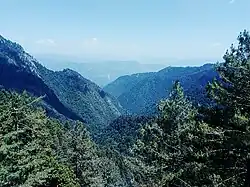
Ayubia National Park is a compact, well-developed forest reserve in t…
Bagh
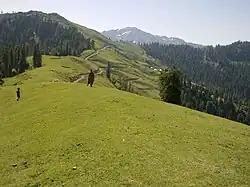
Bagh is the chief town and headquarters of Bagh District in Azad Jamm…
Charsadda
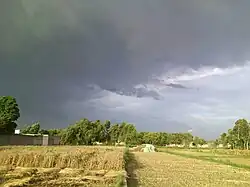
Charsadda is a historic city and the headquarters of Charsadda Distri…
Deosai National Park
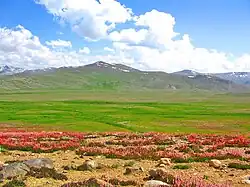
Deosai National Park, known as the "Land of Giants" (Urdu: دیوسائی),…
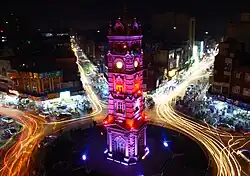
Faisalabad
Faisalabad, formerly Lyallpur, is Pakistan's third-largest city and t…
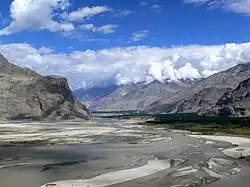
Gilgit
Gilgit (Urdu: گلگت) is the largest town in Gilgit-Baltistan and the a…
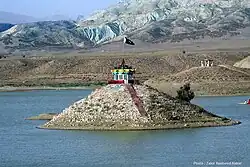
Hingol National Park
> WARNING: Balochistan is subject to serious travel restrictions and…
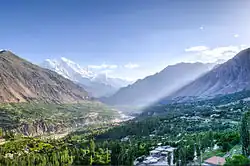
Hunza
Hunza is the celebrated mountain valley of Gilgit-Baltistan and, for…
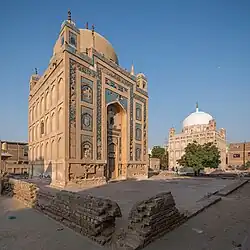
Hyderabad
Hyderabad is the second-largest city of Sindh and one of the province…
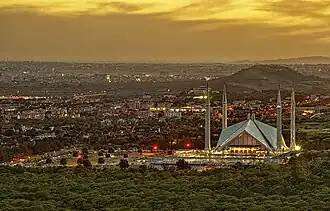
Islamabad
Islamabad is Pakistan's capital — a purpose-built, meticulously plann…
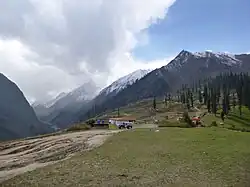
Kaghan Valley
Kaghan Valley is an alpine valley in Mansehra District of Khyber Pakh…

Contact Us
Get in touch with us.
Get in touch
Contact Us
Tell us where you'd like to go and how you like to travel. A real Tripcuro planner — not a bot — will craft an itinerary around you.
- Personalised, hassle-free planning end-to-end
- Transparent pricing, no hidden costs
- 24/7 support for complete peace of mind