
North Korea
Eastern Asia · 69 destinations across 13 regions
Photography coming soonOverview
The Democratic People's Republic of Korea (DPRK), commonly called North Korea, is one of the most isolated countries on Earth and is often described as the world's last true "Hermit Kingdom." Occupying the northern half of the Korean Peninsula, it has been separated from South Korea since the division of the peninsula after World War II and the Korean War of 1950–1953. It remains one of the few self-described socialist states, governed by a single ruling party and tightly centralised state institutions that control nearly every aspect of public and economic life.
North Korea suits a very specific kind of traveller: those with a deep interest in modern history, geopolitics, and Cold War legacies, who are comfortable accepting an itinerary entirely arranged and monitored by the state. Tourism is permitted only as part of an organised, guided tour — independent travel is not possible. Visitors are accompanied at all times by government-appointed guides and have little freedom of movement, expression, or choice. The reward, for those who go, is a glimpse of monumental socialist architecture, mass spectacle, and landscapes few outsiders ever see.
Before COVID-19, roughly 5,000 Western tourists visited annually, the vast majority through Pyongyang. Most trips proceed without incident provided travellers strictly follow their guides' instructions. However, the legal environment is unpredictable, due process is limited, and consequences for perceived offences — including ones that would be trivial elsewhere — can be severe. Anyone uneasy about strict limits on personal freedom or the risk of arbitrary detention should not travel here.
Geography & Climate
North Korea covers the northern part of the Korean Peninsula, bordering China along the Yalu and Tumen rivers to the north, a short frontier with Russia in the far northeast, and the Demilitarized Zone (DMZ) separating it from South Korea to the south. The terrain is overwhelmingly mountainous, with narrow coastal plains along the Yellow Sea (West Sea) and the Sea of Japan (East Sea). The most fertile and densely populated lowlands lie in the southwest around Pyongyang, Nampho, and the Hwanghae provinces.
The country's defining peak is Paektu (Baekdu) Mountain on the Chinese border, the highest point on the peninsula at 2,744 m, crowned by the crater lake of Chon (Heaven Lake). Other significant ranges include the Myohyang and Kumgang mountains, both popular for hiking and scenery.
The climate is continental with four distinct seasons. Winters (December–February) are long, dry, and bitterly cold, especially in the northern interior. Summers (June–August) are hot and humid, with the bulk of the year's rain falling in a short monsoon period from late July into August, which can bring flooding. Spring and autumn are short, mild, and the most comfortable for travel.
Tell us your dates and we'll tailor your North Korea trip around them.
WhatsAppWhen to Visit
The best windows for travel are late April to early June and September to October, when temperatures are mild and skies are generally clear. Autumn offers crisp weather and foliage colour in the mountains.
Summer brings heat, humidity, and the monsoon rains of July–August, which can disrupt rail travel and outdoor sightseeing. Winter is harsh and many sites are cold and stark, though the Masikryong ski resort near Wonsan operates in this season.
The calendar is dominated by political anniversaries that draw large state spectacles. The Day of the Sun (15 April, Kim Il-sung's birthday) and the Day of the Shining Star (16 February, Kim Jong-il's birthday) are the biggest. Mass gymnastics and parade events, when held, are also timed to major anniversaries and are a significant draw for visitors.
Visa & Entry
All tourists require a visa, and it can only be obtained through an authorised tour operator as part of a booked, guided tour — there is no independent, visa-free, or on-arrival tourist entry. The visa is typically issued as a separate travel paper rather than a stamp in the passport. Tour operators handle the application process on the traveller's behalf.
Citizens of South Korea are effectively barred from tourist entry. Journalists and some other professionals face additional restrictions or outright refusal. Several governments advise their citizens against all travel to North Korea, and some restrict or prohibit their nationals from going.
This is general guidance only. Entry rules, restrictions, and the list of permitted nationalities change frequently and without notice. Travellers must verify current requirements directly with an authorised tour operator and their own government before making any plans.
Want us to time your trip around a festival? We'll handle it.
WhatsAppMoney & Costs
The official currency is the North Korean won (KPW), but tourists generally do not use it and rarely see it. Foreign visitors pay in hard currency — typically euros, Chinese yuan, or US dollars — at hotels, state shops, and restaurants.
Tourism costs are bundled: travellers pay a tour operator a single package price covering visa, transport, guides, accommodation, and most meals. Independent daily budgeting in the usual sense does not apply, as costs are fixed in advance by the operator. Beyond the package, spending money is needed only for souvenirs, drinks, and optional purchases.
ATMs are not available to foreign tourists, and international credit and debit cards do not work. Bring enough cash in hard currency for the entire trip, in small denominations. Tipping is not customary in the formal sense, though small gratuities or gifts to guides and drivers at the end of a tour are common practice.
Getting In
The principal gateway is Pyongyang Sunan International Airport (FNJ), which handles the country's limited scheduled international flights. The main connections are with Beijing and, intermittently, Vladivostok and other Chinese cities, operated chiefly by the national carrier Air Koryo.
The most common overland route is by international train from Beijing via Dandong/Sinuiju, crossing the Yalu River on the Sino-Korea Friendship Bridge. This rail journey is itself a notable part of many tour itineraries. There are also rail and road crossings from China at other points and a limited connection with Russia in the northeast near Rason.
There are no tourist ferry or cruise services for general entry. All arrivals, by air or land, must be pre-arranged through a tour operator.
We handle the bookings and budgeting — you just travel.
WhatsAppGetting Around
Travel within North Korea is arranged entirely by the tour operator and conducted in the company of state-appointed guides. Tourists do not travel independently, hire cars, or use ride-hailing apps.
Most touring is done by private chartered bus or car between cities, supplemented by domestic trains for longer routes. Domestic Air Koryo flights connect Pyongyang with a few regional centres such as Samjiyon (for Paektu Mountain) and are sometimes used on itineraries reaching the far north. The Pyongyang Metro is a sightseeing experience in itself and is included on most city tours.
There are no common tourist scams in the conventional sense, as movement is controlled and commercial interaction with the public is minimal. The principal practical concern is rigid adherence to the itinerary and the guides' instructions; deviation, unauthorised photography, or wandering off alone can cause serious problems.
Culture & Etiquette
Visitors are expected to show formal respect toward the country's leaders and national symbols at all times. When visiting monuments and statues of the leaders, particularly the Mansudae Grand Monument, tour groups are usually expected to bow, and may be asked to lay flowers. Photographs of statues and portraits should show the full figure, never cropped or partial, and should be respectful in framing.
Dress neatly and modestly, especially at monuments, the Kumsusan Palace of the Sun, and other solemn sites; smart casual is appropriate and shorts or revealing clothing are best avoided. Always ask guides before taking photographs — photography of military sites, checkpoints, soldiers, and ordinary infrastructure is restricted, and cameras may be inspected on departure.
Do not bring printed material, religious texts intended for distribution, or media that could be considered politically sensitive. Avoid criticising the government or leadership, and treat newspapers or images of the leaders carefully (folding or discarding them can cause offence). Follow guides closely, stay with the group, and do not photograph or interact with locals without permission. Tipping guides and drivers modestly at the end of a tour is appreciated.
Prefer to talk it through? We're a WhatsApp message away.
WhatsAppSafety
Conventional street crime against tourists is virtually unknown, and the controlled environment means travellers face little risk of theft or violence. The genuine risk in North Korea is legal and political: the unpredictable application of laws, the possibility of detention for perceived offences, and the absence of meaningful consular access or due process. Several detentions of foreign visitors have occurred, sometimes with severe outcomes. The single most important safety measure is to follow guides' instructions precisely and avoid anything that could be construed as disrespect, espionage, or proselytising.
The DMZ and other border zones are sensitive military areas; visits are conducted only under strict supervision. Natural hazards include summer flooding during the monsoon and bitter winter cold in the north.
Medical facilities are limited and far below international standards; comprehensive travel and medical evacuation insurance is essential. Tap water is not safe to drink — use bottled water, which tour operators supply. Consult a travel health clinic well in advance regarding routine and recommended vaccinations.
Top Regions
- Pyongan — Home of the capital Pyongyang and the starting point for almost all tours, plus the port of Nampho and the border city of Sinuiju.
- Hwanghae — The southwestern region including the historic former Goryeo capital of Kaesong and access to the Panmunjom truce village in the DMZ.
- Donghae Coast — The eastern seaboard, taking in Wonsan, the industrial cities of Hamhung and Chongjin, the Rason free-trade zone, and the scenic Kumgang Mountains.
- Baekdu Mountains — The remote far north (Ryanggang and Chagang), centred on sacred Paektu Mountain and its crater lake.
- Myohyang area — The "Mysterious Fragrant Mountain" region north of Pyongyang, known for hiking, Pohyon Temple, and the International Friendship Exhibition.
Tell us your dates and we'll tailor your North Korea trip around them.
WhatsAppTop Destinations
- Pyongyang — The capital and showcase city, home to grand monuments, the metro, and most tourist infrastructure.
- Kaesong — The former Goryeo dynasty capital, with surviving historic sites and a traditional old quarter.
- Panmunjom — The truce village in the DMZ, where the Korean War armistice was signed and the Cold War frontier is visible up close.
- Mount Myohyang — A scenic mountain area with hiking trails, Pohyon Temple, and the cavernous International Friendship Exhibition.
- Kumgangsan (Diamond Mountain) — A celebrated range of granite peaks, waterfalls, and pools on the east coast.
- Wonsan — An east-coast port city, gradually opening to tourism and gateway to the Masikryong ski resort.
- Paektu Mountain — The highest peak on the peninsula, sacred in national mythology, with the crater lake of Chon at its summit.
- Nampho — An industrial port on the west coast, notable for the West Sea Barrage.
- Sinuiju — The main border city facing Dandong in China, a window onto cross-border trade.
- Rason — A northeastern special economic zone near the Russian border, with relatively relaxed visiting conditions.
- Hamhung — North Korea's second-largest city, a major industrial centre rarely on standard itineraries.
Regions & States
North Korea has 13 regions with guides — pick one to drill into its destinations.
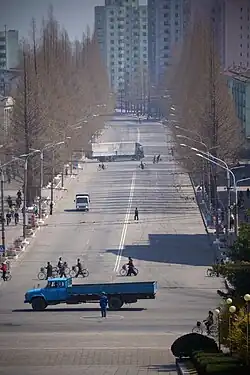
Hamkyeongnamto
6 destinations

Hamkyeongpukto
5 destinations
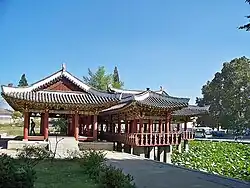
Hwanghainamto
4 destinations
Hwanghaipukto
3 destinations
Jakangto
3 destinations
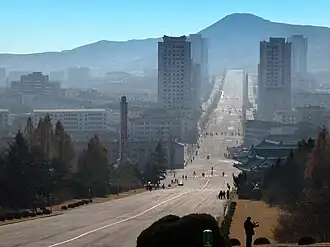
Kaeseong
7 destinations
Kangweonto
6 destinations
Nampho
4 destinations
Phyeongannamto
5 destinations
Phyeonganpukto
7 destinations
Phyeongyang
9 destinations
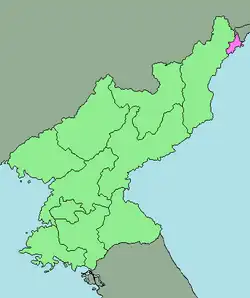
Raseon
4 destinations
Ryangkangto
6 destinations
Not sure where to start in North Korea? Tell us how you like to travel and we'll shape the route.
WhatsAppTop Destinations
The places first-time and returning travellers ask for most.
Chongjin
Chongjin (청진시) is the capital of North Hamgyong Province and the thir…
Haeju
Haeju is the capital of South Hwanghae Province (Hwanghainamto), situ…
Hamhung
Hamhung (함흥시, 咸興市) is the largest city of South Hamgyong Province and…
Hungnam
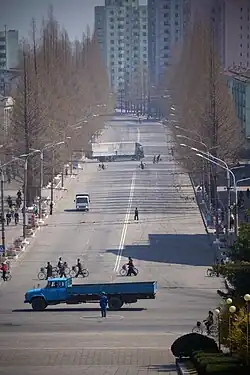
Hungnam (흥남) is the major port and chemical-industry district of the…
Kaechon
Kaechon is a large city in South Pyongan Province, lying north of the…
Kaesong
Kaesong (개성) is a historic city in southwestern North Korea, just 8 k…
Korean Demilitarized Zone
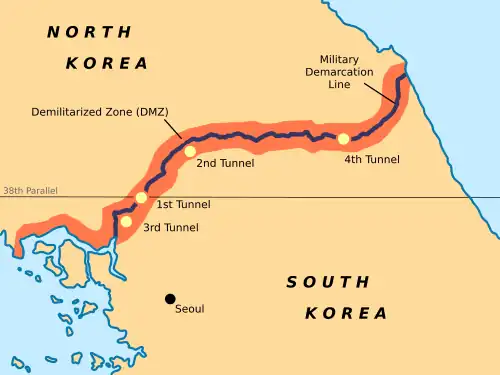
The Korean Demilitarized Zone (DMZ) is a 4-km-wide buffer zone runnin…
Mount Kumgang
Mount Kumgang (금강산, Kumgangsan), literally the "Diamond Mountains," i…
Nampho
Nampho (남포, also romanised Nampo) is a major port city on the west co…
Panmunjom
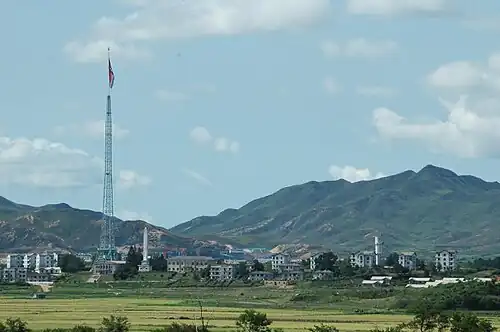
Panmunjom (Korean: 판문점), also romanised as P'anmunjŏm, is a small vil…
Rajin
Rajin (라진) is the larger of the two former cities — alongside Sonbong…
Sariwon
Sariwon (사리원시, Sariwŏn) is the capital of North Hwanghae Province, a…

Contact Us
Get in touch with us.
Get in touch
Contact Us
Tell us where you'd like to go and how you like to travel. A real Tripcuro planner — not a bot — will craft an itinerary around you.
- Personalised, hassle-free planning end-to-end
- Transparent pricing, no hidden costs
- 24/7 support for complete peace of mind