
Amsterdam
Noord-Holland, Netherlands
Why visit Amsterdam?
With a population surpassing 934,000 in 2025 – and soaring well past a million when you account for the immediate surroundings – Amsterdam unquestionably holds the crown as the Netherlands' largest city. Numbers aside, Amsterdam is the financial, cultural, and creative heart of the nation. English is widely spoken and understood by almost everyone, so language barriers are rarely an issue for travellers.
Orientation
The "Amsterdam" that most visitors experience is the city centre, the semi-circle with Centraal Station at its apex. It corresponds to the city as it was around 1850. Five major concentric canals ring the Binnenstad: Singel, Herengracht, Keizersgracht, Prinsengracht and Singelgracht, together forming the Canal District. Other districts inside the city centre are the Jordaan, a former working class area now popular with yuppies, and Plantage, a leafy and spacious area with botanical gardens and the zoo. The Nassaukade, Stadhouderskade and Mauritskade surround the city centre and mark the location of the former city moat and fortifications. Almost everything outside this line was built after 1870.
The semi-circle is on the south side of the IJ, which is often called a river but more exactly is an estuary. Going east from Centraal Station, the railway passes the artificial islands of the redeveloped Eastern Docklands. North of the IJ is mainly housing, although a major dockland redevelopment has started there too.
The river Amstel flows into the city from the south. Originally, it flowed along the line Rokin-Damrak. The dam in the Amstel, which gives the city its name, was located under the present Bijenkorf department store near Dam Square. The original settlement was on the right bank of the Amstel, on the present Warmoesstraat: it is therefore the oldest street in the city. The city has expanded in all directions, except to the northeast of the A10 ring motorway. That area is a protected rural landscape of open fields and small villages considered a part of the Waterland region.
The radius of the semi-circle is about 2 km. All major tourist destinations, and most hotels, are located inside it or just outside it. As a result, a large swathe of Amsterdam is not visited by the average tourist: at least 90% of the population lives outside this area. Most economic activity in Amsterdam—the offices of the financial sector, the port—is near or outside the ring motorway, which is 4–5 km from the centre.
The expansion of Amsterdam outside the ring motorway and the expansion of activity outside the city centre is redefining what locals consider the 'central area' of Amsterdam. Zuid, especially with the construction of the Noord/Zuidlijn and the Zuidas, is becoming more and more important in the daily lives of the locals. Its significance for tourists has increased by the now completed reconstruction work on the Museumplein and the adjoining museums.
History
Amsterdam was first referred to as Aemstelledamme ("dam on the Amstel") in 1204, and known as Aemsterdam by 1327. It was first part of Utrecht, and around 1300 Gwijde van Henegouwen, bishop of Utrecht, gave Amsterdam city rights. After his death, the city was inherited by Count William III and became a part of Holland. Two fires swept the city in 1421 and 1452, and few wooden buildings from this period remain. A notable exception is the Houten Huis (Wooden House) at the Begijnhof.
In 1558, the Dutch started to revolt against the Spanish as the local nobility demanded more political power and religious freedom. Amsterdam supported the Spanish, but as it became more and more isolated and trade suffered accordingly, it switched sides in 1578. A relative freedom of religion emerged in the newly established Dutch Republic, and many migrants sought refuge in Amsterdam, including Jews from the Iberian Peninsula, merchants from Antwerp and Huguenots (French Protestants). Catholicism could not be practiced openly.
Amsterdam prospered in the 17th century and became one of the world's great cities. A global trading network and overseas possessions made Amsterdam the centre of shipping in Europe and the world's leading financial centre. The arts flourished too, with great painters like Rembrandt producing works that are widely acclaimed as of this day. The city expanded outside of its original boundaries as the Canal Belt was constructed for wealthy merchants and the Jordaan for the working class. Immigrants formed the majority of the population and there was a strong immigration from Lutheran Protestant Germans.
The Dutch Republic was not a unitary state, but a confederation in which the independent provinces and the larger cities were politically autonomous. There was a strong animosity between the Orange faction with its power base in The Hague and the republican faction with Amsterdam as its most outspoken representative, up to the point that the city was beleaguered by the army. The Orange faction supported the idea of hereditary political leadership vested in the princes of Orange as Stadtholders, while the republican faction supported civic independence. This long-standing culture of republicanism and non-conformism against the political elites in The Hague exists to this day.
The 18th and 19th centuries were a turbulent period for Amsterdam. The economy suffered from decreased trade opportunities with the colonies and ongoing wars with the United Kingdom and France. Napoleon's brother Louis was crowned King of Holland in 1806 and took possession of the city hall on Dam Square, from then on referred to as the Royal Palace. The Netherlands was fully annexed by France in 1810, and Napoleon crowned Amsterdam "third city" of the French Empire. Prussian and Russian troops liberated the Netherlands, but it remained a unitary state and a monarchy, that now included Belgium.
While The Hague had functioned as de facto capital of the Republic, Amsterdam (together with Brussels) became the new capital of the Kingdom. The appointment of Amsterdam as the new capital was a conciliatory gesture of the Orange faction towards the city and a recognition of the strong civic and republican basis of the new Kingdom. The Hague remained the seat of government and the political centre of the country. When Belgium seceded in 1830, Amsterdam became the sole capital and got the rights to trade with the country's overseas possessions.
The North Sea Canal and Noordhollandsch Kanaal connected Amsterdam's harbour directly with the Rhine and the North Sea. The Industrial Revolution arrived around 1860, which led to strong economic growth, but also to overpopulation as the city could not cope with the sudden demographic surge. The Jordaan was a notorious working class slum in this period, and neighbourhoods like De Pijp were built to provide housing as cheaply and quickly as possible for the lower middle class. Social issues that arose in this period made Amsterdam the centre of social democracy in the country.
In World War II, German troops occupied the city and more than 100,000 Jews were deported to death camps, most famously Anne Frank. The diamond trade, before the war one of Amsterdam's top industries, almost completely disappeared as these businesses were mostly in the hands of Jews. The cultural revolution of the 1960s and 1970s changed Amsterdam radically. Soft drugs were tolerated, squatting became commonplace and riots with the police occurred on a daily basis. The coronation of Queen Beatrix in 1980 turned violent as protesters demanded a stop to the housing demolition that took place for the construction of Amsterdam's first metro line.
In subsequent decades, Amsterdam has lost some of its revolutionary appeal, becoming a centre for wealthy yuppies. Once poor districts like the Jordaan became upper class districts, and poorer inhabitants moved out of the centre to the outer boroughs and other cities. The city's once progressive ideals have faded as squatting is cracked down on, coffeeshops are increasingly closed and prostitution is outlawed outside of the Red Light District. However, it is still a progressive and tolerant city by interna
[... truncated ...]
Planning Amsterdam? Tell us your dates and we’ll tailor the trip.
Ask on WhatsAppPlanning Amsterdam? Want these on a customised itinerary?
Ask on WhatsAppPlanning Amsterdam? We’ll book the stays and dining for you.
Ask on WhatsAppSample itinerary
Amsterdam features in a real Tripcuro trip — see the full day-by-day plan.
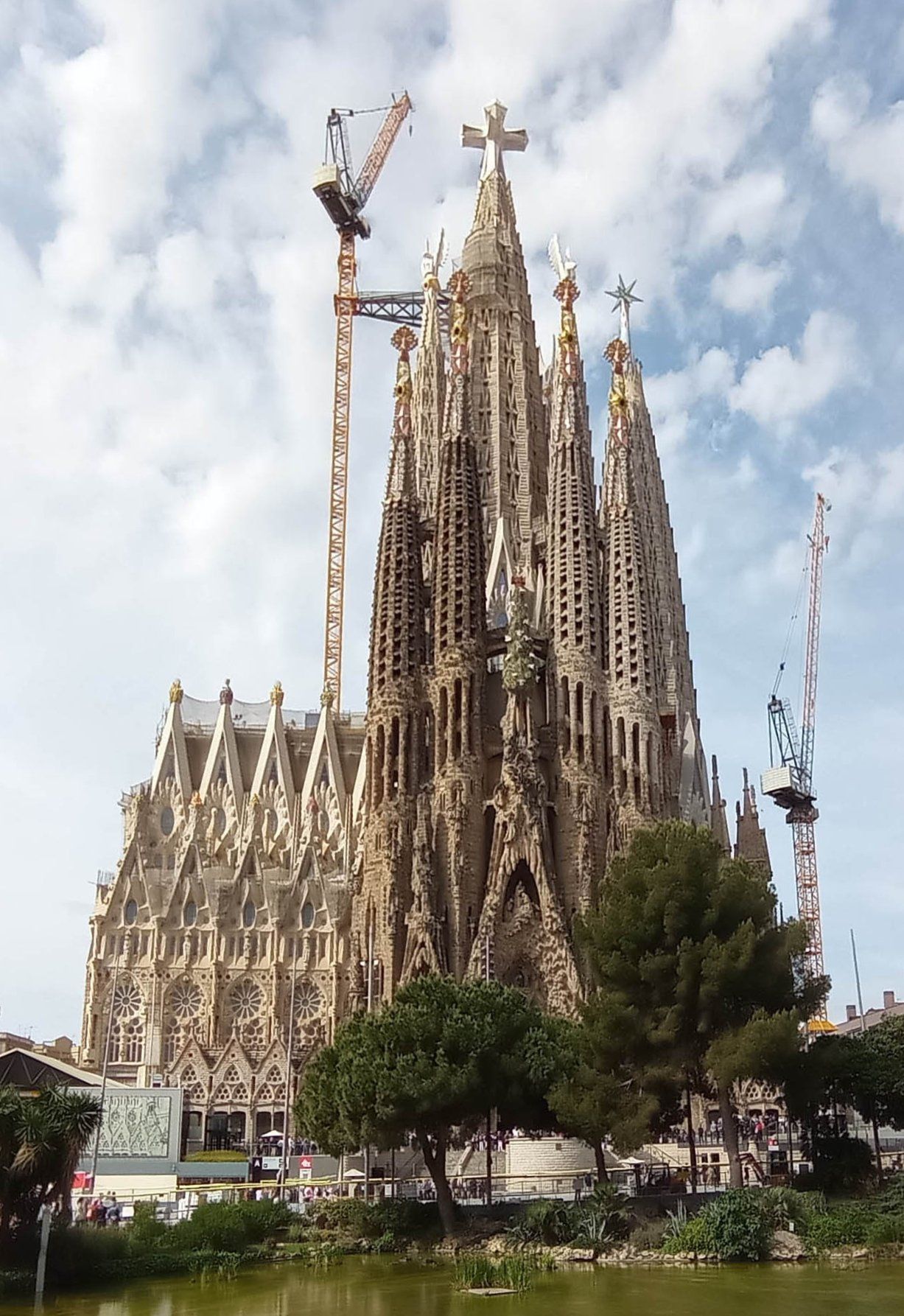
Amsterdam, Paris, Barcelona & Madrid by Rail
10 Nights · Netherlands · France · Spain · Couple
A fully rail-linked run through four of Western Europe's great cities — Amsterdam's canals, Paris's museums, Gaudi's Barcelona and Madrid's grand plazas — with zero internal flights. Eurostar, TGV INOUI and AVE high-speed trains stitch it together, leaving budget headroom for the big-ticket sights.
Highlights: Anne Frank House and the Rijksmuseum in Amsterdam · Eiffel Tower summit at dusk after the Eurostar to Paris · The Louvre and a full day at the Palace of Versailles · Direct TGV INOUI Paris to Barcelona, then Sagrada Familia and Park Guell · AVE high-speed train to Madrid for the Prado and the Royal Palace
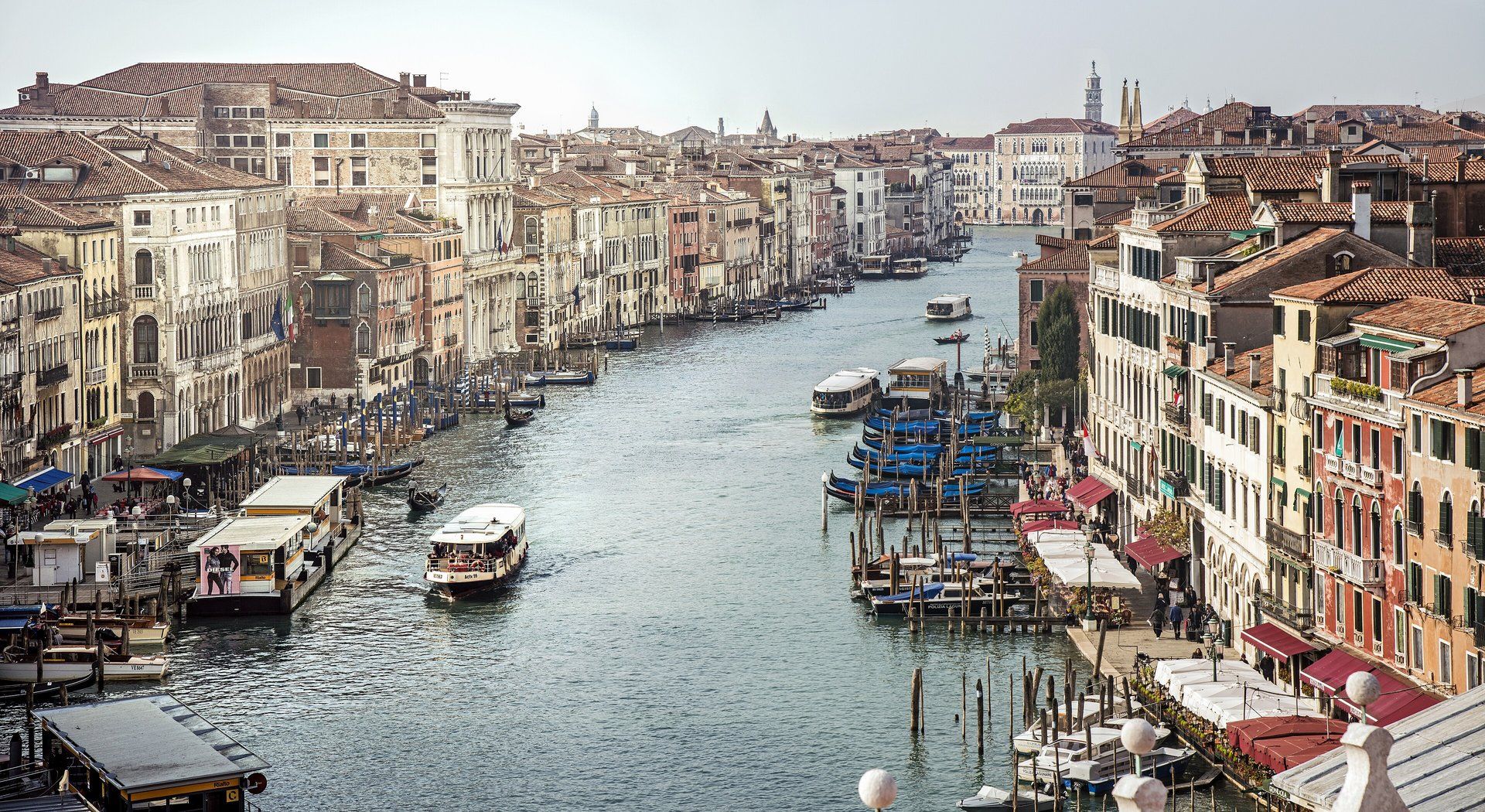
Rome, Venice, Paris & Amsterdam Grand Tour
11 Nights · Italy · France · Netherlands · Couple
An open-jaw grand tour from ancient Rome to Amsterdam's canals, taking in island Venice, Murano and Burano, and Paris's icons. A single short Venice-Paris hop saves a wasted travel day; everything else rides Frecciarossa and Eurostar high-speed rail.
Highlights: Vatican Museums, the Sistine Chapel and St Peter's Basilica · Colosseum Full Experience with the Forum and Palatine · Frecciarossa to Venice island, Doge's Palace and a gondola · Murano and Burano by vaporetto · Eiffel Tower, the Louvre and Versailles in Paris · Eurostar to Amsterdam and the Anne Frank House
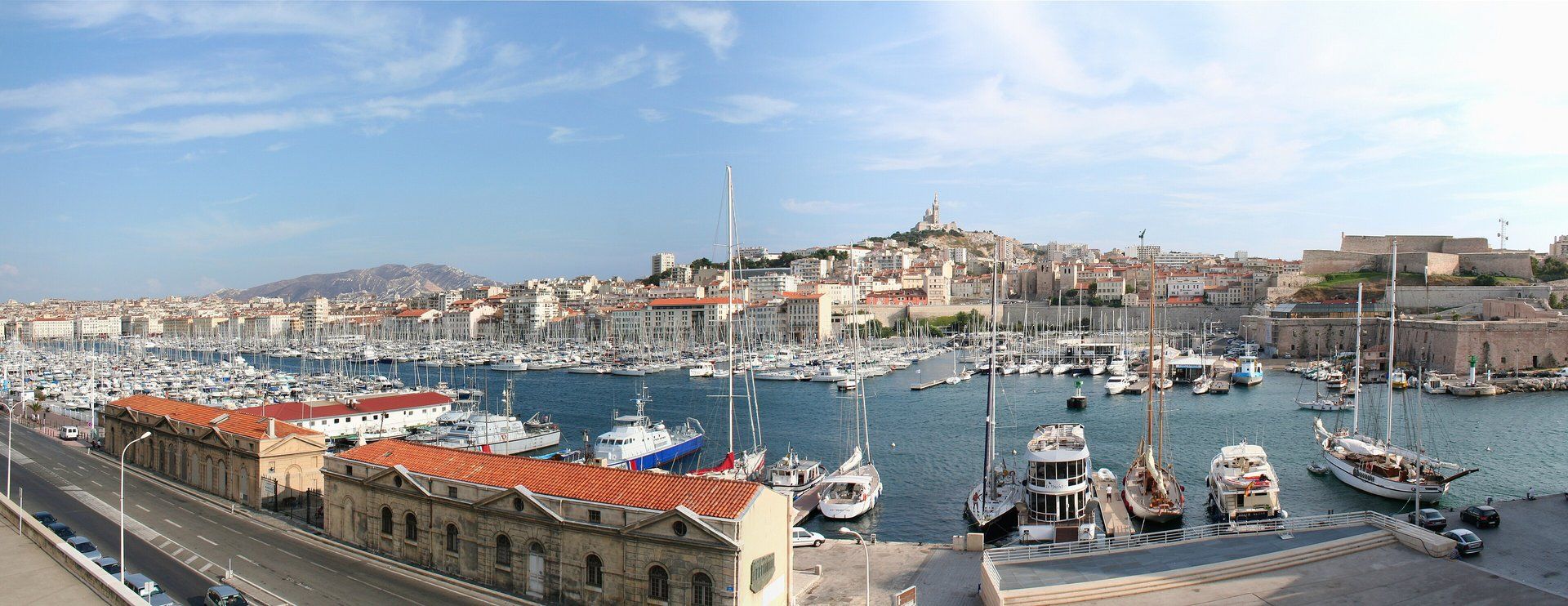
Amsterdam, Paris, Bordeaux & Marseille by Rail
10 Nights · Netherlands · France · Couple
Amsterdam's museums and Paris's landmarks give way to Bordeaux wine country and the sun-baked Provencal coast. An all-rail route — Eurostar and three TGV legs — reaches Saint-Emilion's chateaux and the turquoise Calanques without a single internal flight.
Highlights: Anne Frank House and Van Gogh Museum in Amsterdam · Eiffel Tower, the Louvre and Versailles in Paris · Fast TGV to Bordeaux and a Saint-Emilion wine day trip · Calanques National Park boat trip from Cassis · Day trip to Aix-en-Provence or Avignon · Sunset at Notre-Dame de la Garde over Marseille's Vieux Port
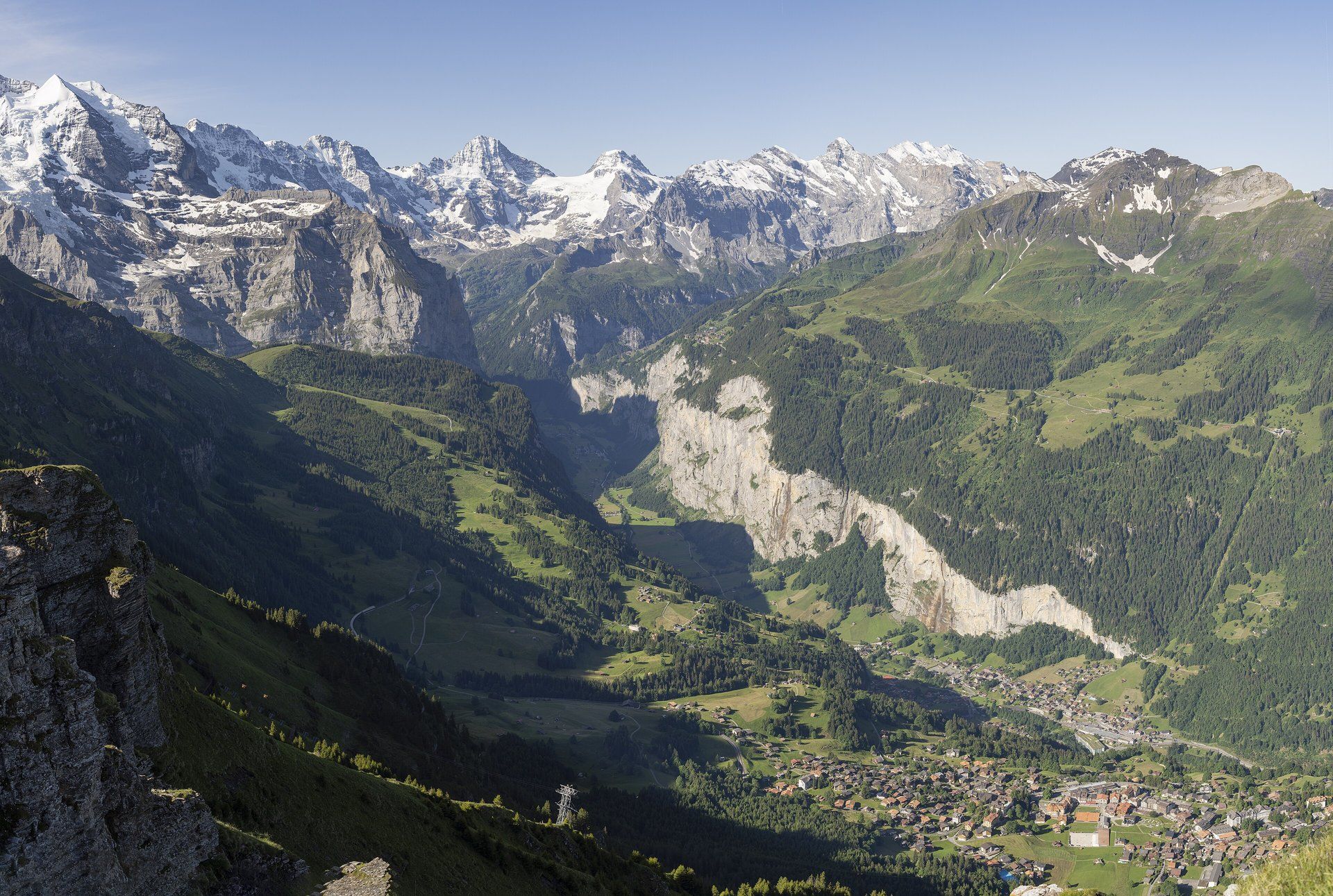
Swiss Alps, Paris & Amsterdam by Rail
10 Nights · Switzerland · France · Netherlands · Couple
Switzerland's Alpine highlights — Mt Pilatus, Jungfraujoch and Grindelwald-First — connect by scenic rail to Paris and Amsterdam. A Swiss Travel Pass covers the mountain trains and boats before TGV Lyria and Eurostar carry you north to two more capitals.
Highlights: Mt Pilatus golden round trip from Lucerne · Jungfraujoch, the Top of Europe, at 3,454 m · Grindelwald-First cliff walk and Bachalpsee hike · Lake Lucerne cruise on the Swiss Travel Pass · TGV Lyria to Paris for the Eiffel Tower and the Louvre · Eurostar to Amsterdam for the Rijksmuseum and Van Gogh Museum
Nearby in Noord-Holland
More places to explore around Amsterdam.
Guide content as of June 2026. Portions adapted from Wikivoyage, CC BY-SA 4.0.

Contact Us
Get in touch with us.
Get in touch
Contact Us
Tell us where you'd like to go and how you like to travel. A real Tripcuro planner — not a bot — will craft an itinerary around you.
- Personalised, hassle-free planning end-to-end
- Transparent pricing, no hidden costs
- 24/7 support for complete peace of mind