
Shimane
Japan · Prefecture · 17 destinations with guides
Photography coming soonWhy visit?
Shimane Prefecture (島根県) stretches along the Sea of Japan coast in the western Chūgoku region of Honshū. Together with neighbouring Tottori it forms the San'in (山陰, "shady side of the mountains") region, separated from the sunnier Sanyō coast by a rugged mountain spine. Shimane is Japan's second-least-populous prefecture, and its emptiness is part of its charm: ancient forests, misty lakes, volcanic peaks, and a coastline of dramatic cliffs and quiet fishing villages.
The prefecture's spiritual heart is Izumo Taisha, one of Japan's holiest Shinto shrines, legendarily founded before recorded history. Matsue, the castle-town capital on the shores of Lake Shinji, retains one of the country's few original castles and a literary heritage linked to the writer Lafcadio Hearn. Inland, the former silver-mine town of Iwami Ginzan is a UNESCO World Heritage Site, while the remote Oki Islands offer volcanic landscapes and rare wildlife.
Travel here is unhurried. Distances are modest — Matsue to Izumo is barely 30 km — but winding coastal roads and infrequent rural buses mean a car is the most practical way to explore beyond the main rail corridor. The reward for the extra effort is an authenticity and tranquillity that few Japanese prefectures still offer.
When is the best time to visit?
Spring (late March–May) brings cherry blossoms, mild temperatures, and the famous Yabusame horseback-archery festivals in Tsuwano (early April). Summer (June–August) is warm and humid; August fireworks festivals light up every coastal town. Autumn (October–November) is the prime season for foliage at Daisen-Oki National Park and the gardens around Matsue. Winter (December–February) is cold and damp — the Sea of Japan side receives heavy cloud cover and occasional snow — but ski resorts like Mizuho Highland operate reliably from late November to late March with extensive snowmaking.
The Izumo Taisha Grand Festival (Kamiari-sai) in November, when the gods are said to gather in Izumo, is the prefecture's most important annual event. Avoid Golden Week (late April–early May) and Obon (mid-August) if you dislike crowds at popular sites.
Tell us your dates and we'll shape a Shimane route around them.
WhatsAppHow do you get around?
By train: The JR San'in Main Line runs the length of the prefecture's coast, connecting Masuda, Hamada, Ōda, Izumo, and Matsue. The limited express Super Yakumo links Matsue and Izumo to Okayama (2 hrs 30 min) across the mountains. The overnight Sunrise Izumo runs from Tokyo to Matsue and Izumo (departs ~22:00, arrives ~07:00). The Super Oki line continues west from Shin-Yamaguchi through Shimane's coastal cities.
By car: Driving is the best way to reach rural areas, mountain temples, and the Oki Islands ferry port. Major routes include Route 9 (coastal east–west) and Expressway 9 (limited sections). Matsue to Izumo: 30 min. Matsue to Hamada: 1 hr 30 min. Matsue to Tsuwano: 1 hr 45 min.
By bus: Long-distance highway buses connect Matsue to Hiroshima, Okayama, Osaka, and Fukuoka. Local buses reach most towns but can run as infrequently as 3–4 per day in rural areas. Check timetables in advance.
By ferry: Ferries from Shichirui Port (near Matsue) and Sakai-Minato Port reach the Oki Islands in 2–4 hours depending on the vessel.
Where should you go?
- Matsue — The prefectural capital; a castle town on Lake Shinji with one of Japan's few original castles and the Lafcadio Hearn Memorial Museum.
- Izumo — Home to Izumo Taisha, the second-holiest Shinto shrine in Japan, and the atmospheric Taisha-mae shopping street.
- Tsuwano — A beautifully preserved mountain town nicknamed "Little Kyoto," with a historic steam-locomotive railway and the oldest Yabusame archery range in Japan.
- Oda — Gateway to the Iwami Ginzan UNESCO silver mines and the volcanic peak of Mount Sanbe.
- Hamada — A lively fishing port and coastal recreation centre with surf beaches and the Kaze-no-Oka Nakabaru Sea-Firefly Observatory.
- Yasugi — Site of the acclaimed Adachi Museum of Art, whose garden has been rated Japan's finest for over two decades.
- Masuda — The prefecture's westernmost city; associated with the Muromachi-era painter Sesshū and close to the scenic Hetsu-miwa coast.
- Okinoshima — The main settlement on the Oki Islands, offering volcanic geology, rare wildlife (Oki salamander, Oki wild rose), and clear-water diving.
- Unnan — Rural mountain district with hot-spring villages, terraced rice paddies, and the Kamosu Shrine (older sister of Izumo Taisha).
- Okuizumo — Interior highlands famous for tatara iron-smelting heritage and the onsen village of Yunotsu.
- Gotsu — A small industrial city on the coast between Hamada and Ōda with access to the scenic Gōtsu coast.
- Daisen-Oki National Park — Volcanic peaks, dramatic sea cliffs, and the Oki Islands; excellent hiking and birdwatching.
Want the scenic legs and stays booked for you? Just ask.
WhatsAppWhat should you eat?
Shimane's food culture revolves around the sea and Lake Shinji. The Seven Delicacies of Lake Shinji (宍道湖七珍) — shijimi clams, icefish, eel, sea bass, moroge eel, whitebait, and kozukui catfish — are served at restaurants along the lakeshore; Matsue's Meimei-an teahouse and lakeside izakaya are prime spots.
In Izumo, try warigo soba (割子そば), cold buckwheat noodles served in triple-stacked lacquerware bowls with condiments — a uniquely local presentation. Tsuwano is known for wasabi cultivation; fresh wasabi appears in soba, tempura, and even ice cream. Hamada's specialty is akaten (赤天), a fried fishcake spiced with red pepper powder.
Throughout the prefecture, fresh seafood — particularly crab (winter), yellowtail, and squid — is excellent and affordable. Look for teishoku (set meals) at harbour-side restaurants for ¥800–1,500. Vegetarian options exist at temple shōjin-ryōri restaurants, especially near Izumo Taisha and Daisen.
What is the culture like?
Izumo Taisha Grand Festival (Kamiari-sai, early November) — Shinto mythology holds that the eight million gods gather in Izumo during the tenth lunar month. The shrine's grand festival and the Kamimukae (god-welcoming) ceremony on the beach are the centrepiece.
Tsuwano Yabusame (early April) — Horseback archery at Japan's oldest Yabusame range, dating back over 1,000 years. When it coincides with cherry blossoms, the effect is unforgettable.
Matsue Vogel Park and Castle festivals — Seasonal flower displays and illuminations throughout the year at the castle and Vogel Park.
August fireworks — Nearly every coastal city and town hosts a summer fireworks display; Hamada's and Matsue's are among the largest.
Tatara iron-smelting heritage — The Okuizumo area preserves the ancient tatara method of producing tamahagane steel, the raw material for Japanese swords. Demonstrations and museum exhibits are available.
Lafcadio Hearn legacy — The Irish-Greek writer who became Japanese citizen Koizumi Yakumo lived in Matsue from 1890–91; his house, memorial museum, and the Lafcadio Hearn Gardens draw literary tourists year-round.
Travelling during a festival? We'll plan around the crowds.
WhatsAppWhat are the standout experiences?
Izumo Taisha pilgrimage — Walk the ancient approach to one of Japan's oldest and holiest shrines, see the massive shimenawa (sacred straw rope), and attend the Kamimukae god-welcoming ceremony if visiting in November.
Iwami Ginzan silver mine — Explore the UNESCO-listed mine shafts and the beautifully preserved town of Ōmori, with Edo-period merchant houses and the Ryūgenji-mabu mine tunnel. Allow a half-day.
Sunrise Izumo overnight train — Board the sleeper in Tokyo and wake in Matsue — one of Japan's last remaining overnight train journeys, with private cabins and simple berths.
Oki Islands wilderness — Volcanic coastlines, limestone caves, rare endemic species, and some of Japan's clearest diving waters. Ferries run daily from Shichirui and Sakai-Minato ports (2–4 hrs).
Adachi Museum of Art gardens — Widely rated Japan's most beautiful garden, designed as a living landscape painting viewable through floor-to-ceiling windows. Open year-round in Yasugi.
Top Destinations
Every destination in Shimane with a guide — tap a place for the full guide.

Adachi Museum of Art
The Adachi Museum of Art (足立美術館, Adachi Bijutsukan) is a celebrated…
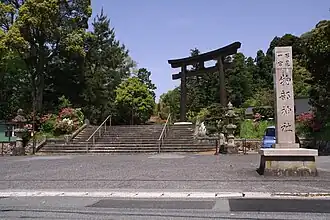
Iwami Ginzan
Iwami Ginzan (石見銀山) — the Iwami Silver Mine — is a former…
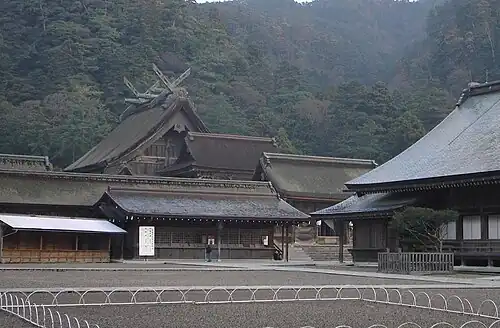
Izumo
Izumo (出雲市) is a city of around 150,000 people in Shimane Prefecture…

Matsue
Matsue (松江) is an old castle town at the heart of the former Izumo…

Matsue Castle
Matsue Castle (松江城, Matsue-jo) is the historic castle of Matsue, the…
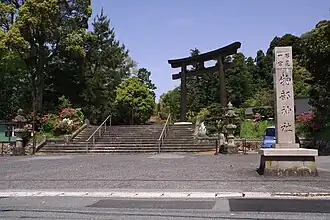
Oda
Oda (大田市, Ōda-shi) is a city on the Sea of Japan coast of Shimane…
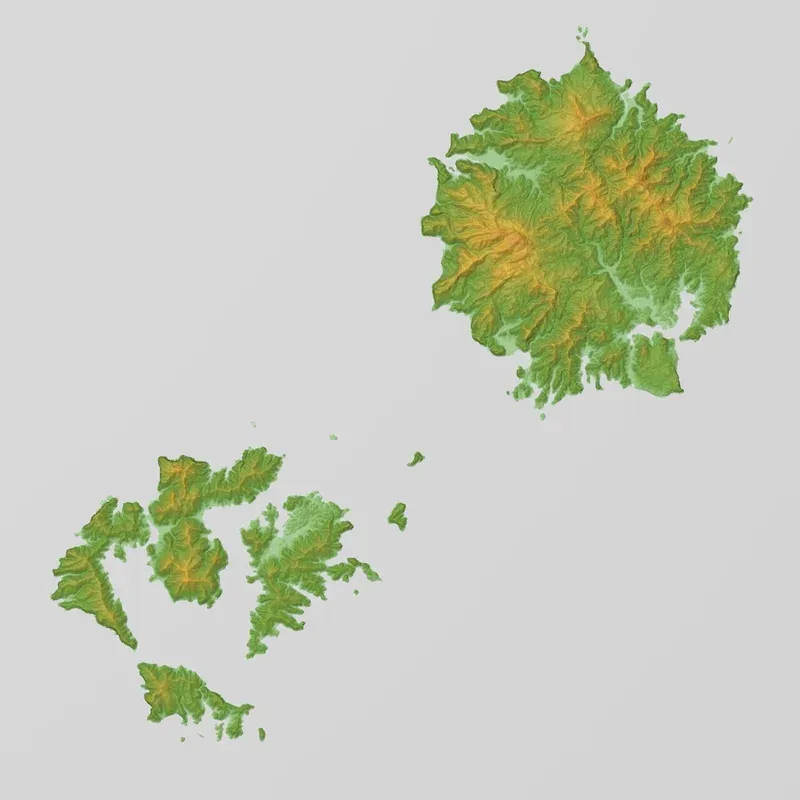
Oki Islands
The Oki Islands (隠岐諸島, Oki shoto) are an archipelago in the Sea of…

Tsuwano
Tsuwano (津和野町) is a small castle town tucked into a narrow mountain…
Daisen-Oki National Park
Daisen-Oki National Park spans Tottori and Shimane prefectures.
Gotsu
Gotsu is a city in central Shimane Prefecture, located at the mouth…
Hamada
Hamada is a city in western Shimane Prefecture, located on the Sea of…
Izumo Taisha
Izumo Taisha (出雲大社) — the Grand Shrine of Izumo — is one of the…
Masuda
Masuda is a city in western Shimane Prefecture, located near the…
Okinoshima
Okinoshima is a town on Dogo Island, the largest of the Oki Islands…
Okuizumo
Okuizumo is a town in eastern Shimane Prefecture, located in the…
Unnan
Unnan is a city in central Shimane Prefecture, formed in 2004 from…
Yasugi
Yasugi is a city in eastern Shimane Prefecture, located on the…
Pair the highlights of Shimane into one easy trip — we'll plan the route.
WhatsApp
Contact Us
Get in touch with us.
Get in touch
Contact Us
Tell us where you'd like to go and how you like to travel. A real Tripcuro planner — not a bot — will craft an itinerary around you.
- Personalised, hassle-free planning end-to-end
- Transparent pricing, no hidden costs
- 24/7 support for complete peace of mind