
Duyun
Guizhou Sheng, China
Why visit Duyun?
Duyun (都匀) is a county-level city and the capital of the Qiannan Buyei and Miao Autonomous Prefecture in southern Guizhou Province. It sits in a valley along the Jian River, surrounded by lush, forested mountains. Duyun is known as the "Bridge City" for its many ornate bridges spanning the Jian River, and as a center for the production of Maojian tea — one of China's top ten green teas.
The city has a relaxed, small-town atmosphere in a spectacular natural setting. The surrounding prefecture is home to Buyei, Miao, Shui, and Yao ethnic minorities, whose traditional villages and terraced fields dot the countryside. The Jian River winds through the city, flanked by willow trees and parkland, crossed by bridges ranging from modern concrete spans to elegant traditional covered walkways.
Duyun has a humid subtropical climate with mild winters and warm, rainy summers. June–August is the wettest period. Spring (March–May) and autumn (September–November) are the most pleasant times to visit.
Planning Duyun? Tell us your dates and we’ll tailor the trip.
Ask on WhatsAppHow do you get there?
By Plane
The nearest airport is Guiyang Longdongbao International Airport (KWE IATA), about 130 km north, with extensive domestic and some international connections. A bus or taxi from the airport to Duyun takes about 1.5 hours.
By Train
Duyun Railway Station is on the Guiyang–Guangzhou high-speed railway, with frequent service to Guiyang (40 min), Guangzhou (3 hr), and Shenzhen. The city is also served by Duyun East Station on the same line.
By Car / Road
Duyun is 130 km south of Guiyang via the G75 Lanzhou–Haikou Expressway (about 1.5 hr). Buses run regularly from Guiyang's East Bus Station.
The city is compact and walkable, especially the riverfront area. Taxis cost ¥5–10 within the city. Public buses serve the outlying districts. Didi is available.
What are the things to do?
Jian River Bridges: Duyun's most distinctive feature — more than 100 bridges cross the Jian River within the city limits. The Bai Bridge and the covered Wenfeng Bridge are the most photogenic.
Doupeng Mountain (斗篷山): A scenic mountain with hiking trails and waterfalls, 20 km north of the city. Part of the Doupeng Mountain–Jianjiang Scenic Area.
Yao Tomb Ancient Village (遥洞古寨): A traditional Shui ethnic village with terraced fields, old wooden houses, and ancient defensive walls.
Shui Ethnic Museum: A museum dedicated to the culture and history of the Shui minority, who have their own unique script — one of the world's few living pictographic writing systems.
Maojian Tea Plantations: The slopes around Duyun are terraced with tea bushes producing the famous Duyun Maojian green tea. Several plantations offer tours and tastings.
Tea Tasting: Visit a Maojian tea plantation for a tour and tasting session. Spring (March–April) is the harvest season when the freshest tea is available.
River Walk: Stroll the Jian River promenade, especially at sunset when the bridges are illuminated.
Ethnic Village Visits: Take a day trip to nearby Buyei and Shui villages for cultural immersion and hiking.
Swimming and Boating: The Jian River offers swimming spots and small boat rentals in the summer months.
Planning Duyun? Want these on a customised itinerary?
Ask on WhatsAppWhere to eat?
- Duyun Sour Soup (酸汤): A tangy broth made with fermented tomatoes and chilies, usually served with fish or pork.
- Miao-Style Sticky Rice: Purple and yellow sticky rice dyed with natural plant extracts, served with grilled meat.
- Shui-Style Fish: Fresh river fish steamed with ginger and local herbs.
- Roujiamo (肉夹馍): A Guizhou version of the Chinese "burger" — chopped braised meat stuffed in a flatbread.
- Buckwheat Pancakes: Savory pancakes made with local buckwheat flour.
Where to drink?
Duyun Maojian green tea is a must-try — best brewed at 80°C in a glass cup to watch the leaves unfurl. Bottled water is recommended. Local rice wine is sometimes served in ethnic villages.
Planning Duyun? We’ll book the stays and dining for you.
Ask on WhatsAppWhere to stay?
- Budget: Guesthouses near the bus station charge ¥80–150 per night.
- Mid-range: Hotels on the riverfront, such as the Duyun Bridge Hotel, offer rooms from ¥200–350 per night.
- Upscale: The Duyun International Hotel provides the best amenities from ¥400 per night.
What should you buy?
Duyun Maojian tea (都匀毛尖) is the city's defining product — a high-grade green tea with delicate, downy leaves and a nutty-sweet flavor. Look for it in specialty tea shops. Also available: Shui ethnic embroidery, batik fabrics, and locally foraged wild mushrooms.
Where to go next?
- Guiyang (130 km, 1.5 hr) — The provincial capital, famous for its food, Qingyan Ancient Town, and Jiaxiu Tower.
- Kaili (80 km, 1.5 hr) — The capital of the Qiandongnan Miao and Dong Autonomous Prefecture, gateway to the Miao villages of southeastern Guizhou.
- Libo (120 km, 2 hr) — A UNESCO World Heritage karst landscape with the Zhangjiang River, Maolan Forest, and dramatic peaks.
- Rongjiang (150 km, 2.5 hr) — A gateway to the Dong minority region, known for its drum towers and wind-and-rain bridges.
Nearby in Guizhou Sheng
More places to explore around Duyun.

Fanjingshan
Guizhou Sheng, China
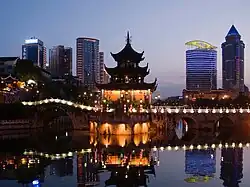
Guiyang
Guizhou Sheng, China
Guiyang Huaxi Park: it is a scenic spot in Guiyang City
Guizhou Sheng, China
Guiyang Qianling Mountain Park: this is a large urban park
Guizhou Sheng, China
Huangguoshu Falls: one of the famous waterfalls in China
Guizhou Sheng, China
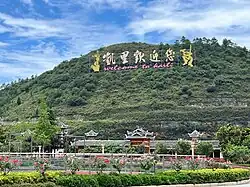
Kaili
Guizhou Sheng, China
Guide content as of July 2026.

Contact Us
Get in touch with us.
Get in touch
Contact Us
Tell us where you'd like to go and how you like to travel. A real Tripcuro planner — not a bot — will craft an itinerary around you.
- Personalised, hassle-free planning end-to-end
- Transparent pricing, no hidden costs
- 24/7 support for complete peace of mind