
Salzburg
Austria · State · 29 destinations with guides
Photography coming soonWhy visit?
The state of Salzburg (Salzburgerland) is one of Austria's most celebrated travel destinations, stretching from the northern foothills of the Alps deep into the heart of the Hohe Tauern mountain range. Named after its capital city — the UNESCO-listed birthplace of Mozart — the state encompasses five diverse districts (Gaue): Flachgau, Tennengau, Pongau, Pinzgau, and Lungau. Together they form a landscape of soaring peaks, glacial valleys, emerald lakes, and alpine meadows that has drawn visitors for centuries.
Salzburg's geography is dramatic. The northern half is characterised by gentle hills, lake districts, and fertile valleys, while the south rises steeply into the Austrian Alps, culminating in the Grossglockner (3,798 m, Austria's highest peak) on the state's southeastern border. The region's cultural identity is equally rich: a tradition of music stretching from Mozart to the Salzburg Festival, centuries of salt mining that shaped its economy, and a deep-rooted alpine heritage visible in its architecture, festivals, and cuisine.
The state is compact enough to traverse in a few hours by car or train, yet dense with attractions — from the imperial elegance of Salzburg city to the wild gorges and waterfalls of the Hohe Tauern National Park, and from the glamorous ski resorts of the Glemmtal to the tranquil Lungau, one of Austria's least-discovered regions.
When is the best time to visit?
Summer (June–September) is the peak season, with warm days (20–28°C in the valleys), long daylight hours, and the full programme of the Salzburg Festival (late July–August). This is the best time for hiking, cycling, lake swimming, and scenic drives like the Grossglockner High Alpine Road.
Winter (December–March) draws skiers and snowboarders to world-class resorts — Saalbach-Hinterglemm, Zell am See-Kaprun, and the Ski Amadé network. December brings atmospheric Christmas markets in Salzburg city and the surrounding towns.
Shoulder seasons (April–May, October–November) offer lower prices, fewer crowds, and beautiful autumn foliage or spring wildflowers. Some mountain passes and high-altitude attractions close during these months. The Salzburg Whitsun Festival (May/June) and Rupertikirtag (September) are notable shoulder-season events.
Rain is possible year-round, particularly in the mountain valleys; always pack layers and waterproofs.
Tell us your dates and we'll shape a Salzburg route around them.
WhatsAppHow do you get around?
Salzburg is well connected internally by ÖBB trains and Postbus services. The main rail lines run from Salzburg Hauptbahnhof south through Bischofshofen (gateway to the Pongau), Zell am See (Pinzgau), and onward to the Tyrol border. Journey times: Salzburg to Bischofshofen ~50 min; to Zell am See ~1.5 hours.
Postbuses fill the gaps where rail doesn't reach, connecting smaller towns and mountain valleys. Key routes include Salzburg–Bad Gastein, Zell am See–Krimml (via the Pinzgau local railway), and Bischofshofen–Werfen. Tickets can be bought from the driver.
From May 2025, overnight guests in the state pay a mobility contribution (initially €0.50/day) and receive free public transport throughout the entire state of Salzburg — a significant benefit.
By car is the most flexible option for exploring remote valleys and mountain passes. The A10 Tauern Autobahn connects Salzburg to Villach via the Pongau and Kärnten; the B159 and B168 serve the Grossglockner region. Note: the Grossglockner High Alpine Road (toll road, ~€38/car) is open approximately May–October. Winter tyres are mandatory October–April.
Where should you go?
- Salzburg — The state capital and Austria's fourth-largest city. A UNESCO World Heritage Site celebrated for its Baroque architecture, Mozart's birthplace, the Hohensalzburg Fortress, and the world-famous Salzburg Festival.
- Hallein — A charming medieval town south of Salzburg, known for its Celtic heritage, the Hallein Salt Mine, and the Silent Night Chapel in nearby Oberndorf.
- Zell am See — A lakeside resort town at the foot of the Schmittenhöhe, combining summer swimming and hiking with skiing on the Kitzsteinhorn glacier.
- Saalfelden am Steinernen Meer — A lively market town and outdoor sports hub with access to the Steinernes Meer plateau and excellent cross-country skiing.
- Mittersill — The gateway to the Hohe Tauern National Park, with the National Park Centre (Haus der Natur) and access to the Krimml Waterfalls.
- Sankt Johann im Pongau — A regional hub in the Pongau district, well positioned for skiing (Ski Amadé) and hiking, with the dramatic Liechtensteinklamm gorge nearby.
- Bischofshofen — A transport junction and home to the famous Four Hills Tournament ski jump (finals on 6 January each year), plus the historic Pongau Cathedral.
- Bad Gastein — A Belle Époque spa town built into a steep valley, with thermal springs, a dramatic waterfall through the town centre, and a growing creative/renewal scene.
- Bad Hofgastein — A more relaxed spa resort next to Bad Gastein, with the Alpentherme thermal baths and easy access to the Schlossalm ski and hiking area.
- Werfen — Home to the Hohenwerfen Fortress and the Eisriesenwelt, the world's largest accessible ice caves.
- Krimml — The site of Europe's highest waterfalls (380 m), a spectacular three-tiered cascade in the Hohe Tauern.
- Kaprun — An adventure resort with year-round skiing on the Kitzsteinhorn glacier, the Sigmund Thun Klamm gorge, and the Sigmund Freud-themed "Sigmund" funicular.
- Saalbach-Hinterglemm — One of Austria's premier ski resorts (part of the Skicircus) and a vibrant summer biking and hiking destination.
- Leogang — A quieter alternative to Saalbach, known for its mountain biking (home of the UCI MTB World Cup) and the Asitzbahn cable car.
- Maria Alm am Steinernen Meer — A picturesque pilgrimage village with a stunning mountain backdrop, popular for hiking and family holidays.
- Rauris — A peaceful valley resort in the Hohe Tauern, known for gold-panning heritage and the Rauriser Urwald primeval forest.
- Lofer — A small alpine town in the Loferer Steinberge, ideal for gentle hiking, the Seisenbergklamm gorge, and family-friendly skiing.
- Wagrain — A family-friendly resort in the Sportwelt Amadé region, with the Wasserwelt water park and access to extensive ski and hiking networks.
- Flachau — A popular ski resort (part of Ski Amadé) with the Hermann Maier downhill course, and summer mountain biking.
- Filzmoos — A quiet, picturesque village known for hot-air ballooning, the Bischofsmütze peak, and gentle alpine hiking.
- Altenmarkt im Pongau — A thermal spa town with the Therme Amadé, and a base for the Ski Amadé region.
- Radstadt — A fortified medieval town on a hill, with skiing access and panoramic views of the Dachstein massif.
- Sankt Gilgen — A pretty lakeside village on the Wolfgangsee, with the Zwölferhorn cable car and connections to the Salzkammergut.
- Strobl — A tranquil village on the eastern shore of the Wolfgangsee, close to the pilgrimage town of St. Wolfgang.
- Mauterndorf — A Lungau village dominated by a medieval castle, with access to the Obertauern ski area and the Taurachbahn heritage railway.
- Tamsweg — The capital of the Lungau region, known for its Samson parades (giant figure processions) and proximity to the Prebersee lake.
- Golling an der Salzach — A small town with the Golling Waterfall, the Bluntautal nature reserve, and the historic Pass Lueg gorge.
- Abtenau — A quiet market town in the Tennengau, popular for hiking, the Postalm plateau, and the Abtenau Erlebniswelt adventure park.
- Hohe Tauern National Park — Austria's largest national park, spanning three states but centred in Salzburg. Home to the Grossglockner, Krimml Waterfalls, and vast glacial landscapes.
Want the scenic legs and stays booked for you? Just ask.
WhatsAppWhat should you eat?
Salzburg's cuisine is hearty alpine fare shaped by its mountainous terrain and agricultural traditions. Signature dishes include Salzburger Nockerl — a light, sweet soufflé representing the city's three hills; Kasnocken (cheese dumplings); Knödel (dumplings) in every variation — Speck, Grammel, and spinach; Tiroler Gröstl (a pan-fry of potatoes, meat, and onions); and Brettljause (a wooden board of cold meats, cheeses, and pickles).
In the Lungau, look for Lungauer Kasnudeln — large filled pasta parcels with a potato-and-cheese filling, a regional specialty with protected geographical indication. The Pinzgau is known for Pinzgauer Bierfleisch (beef braised in beer).
Restaurants range from traditional Gasthäuser serving generous portions to Michelin-recognised dining in Salzburg city. For budget eating, market towns hold weekly food markets, and most ski resorts have affordable mountain huts (Almhütten) serving simple, filling meals.
Vegetarian options are increasingly common in the cities and resorts; halal and gluten-free options are less widespread but available in Salzburg city. Tap water throughout the state is excellent — often sourced directly from alpine springs.
What is the culture like?
- Salzburg Festival (late July–August): One of the world's premier classical music and drama festivals, founded in 1920. Opera, concerts, and theatre performed in historic venues including the Felsenreitschule and the Domplatz.
- Salzburg Whitsun Festival (May/June): A smaller, more intimate companion to the summer festival, with opera and chamber music.
- Rupertikirtag (late September): Salzburg's traditional folk festival on the Domplatz, with rides, food stalls, and dirndl/lederhosen.
- Advent Markets (November–December): Salzburg's Christkindlmarkt on the Domplatz is one of Europe's most atmospheric; smaller markets in towns throughout the state.
- Bischofshofen Four Hills Tournament (early January): The thrilling final of the prestigious ski jumping competition.
- Samson Parades in the Lungau (summer): Traditional processions featuring giant Samson figures, a UNESCO-listed intangible cultural heritage.
- Silent Night (24 December): The carol was first performed in 1818 in Oberndorf bei Salzburg; the Silent Night Chapel hosts annual commemorations.
Travelling during a festival? We'll plan around the crowds.
WhatsAppWhat are the standout experiences?
- The Salzburg Festival: Attend a performance at the Felsenreitschule or Grosses Festspielhaus — one of the world's defining cultural experiences, set against the backdrop of the Baroque old town.
- Grossglockner High Alpine Road: Drive the iconic 48 km alpine road from Bruck to the Pasterze glacier, passing through 36 hairpin bends with panoramic views of Austria's highest peak.
- Eisriesenwelt Ice Caves (Werfen): Explore the world's largest accessible ice caves — a cathedral of ice formations deep inside the Tennengebirge mountains. Reached by cable car and a guided walk.
- Krimml Waterfalls: Witness Europe's highest waterfalls cascading 380 metres in three tiers. A well-maintained trail leads to multiple viewpoints.
- Ski the Skicircus Saalbach-Hinterglemm-Leogang-Fieberbrunn: Over 270 km of interconnected pistes, one of Austria's largest and most varied ski areas, with equally impressive summer mountain biking.
Top Destinations
Every destination in Salzburg with a guide — tap a place for the full guide.
Abtenau
Abtenau is a town/settlement in Salzburg, Austria.
Altenmarkt im Pongau
Altenmarkt im Pongau lies at an altitude of 842 metres in the Enns…
Bad Gastein
Bad Gastein is a small spa town perched at approximately 1,000 metres…
Bad Hofgastein
Bad Hofgastein is a town/settlement in Salzburg, Austria.
Bischofshofen
Bischofshofen is an alpine railway junction and market town in the St.
Filzmoos
Filzmoos is a town/settlement in Salzburg, Austria.
Flachau
Flachau is a town/settlement in Salzburg, Austria.
Golling an der Salzach
Golling an der Salzach is a town/settlement in Salzburg, Austria.
Hallein
Hallein is a picturesque medieval town of roughly 19,000 inhabitants…
Hohe Tauern National Park
Hohe Tauern National Park is a town/settlement in Salzburg, Austria.
Kaprun
Kaprun is a town/settlement in Salzburg, Austria.
Krimml
Krimml is a town/settlement in Salzburg, Austria.
Leogang
Leogang is an alpine municipality in the Pinzgau region of Salzburg…
Lofer
Lofer is a town/settlement in Salzburg, Austria.
Maria Alm am Steinernen Meer
Maria Alm am Steinernen Meer is a town/settlement in Salzburg…
Mauterndorf
Mauterndorf is a town/settlement in Salzburg, Austria.
Mittersill
Mittersill is a town/settlement in Salzburg, Austria.
Radstadt
Radstadt is a town/settlement in Salzburg, Austria.
Rauris
Rauris is a town/settlement in Salzburg, Austria.
Saalbach-Hinterglemm
Saalbach-Hinterglemm is a town/settlement in Salzburg, Austria.
Saalfelden am Steinernen Meer
Saalfelden am Steinernen Meer sits in a wide alpine basin in the…
Salzburg
Salzburg is Austria's fourth-largest city (population 157,000) and…
Sankt Gilgen
Sankt Gilgen is a town/settlement in Salzburg, Austria.
Sankt Johann im Pongau
Sankt Johann im Pongau (often shortened to "St.
Strobl
Strobl is a town/settlement in Salzburg, Austria.
Tamsweg
Tamsweg serves as the administrative capital and principal market…
Wagrain
Wagrain is a market town in the Pongau district of Salzburg state, in…
Werfen
Werfen is a town/settlement in Salzburg, Austria.
Zell am See
Zell am See is a picturesque alpine city of roughly 10,000…
Sample itinerary
See how a trip to Salzburg comes together — a real Tripcuro plan, day by day.
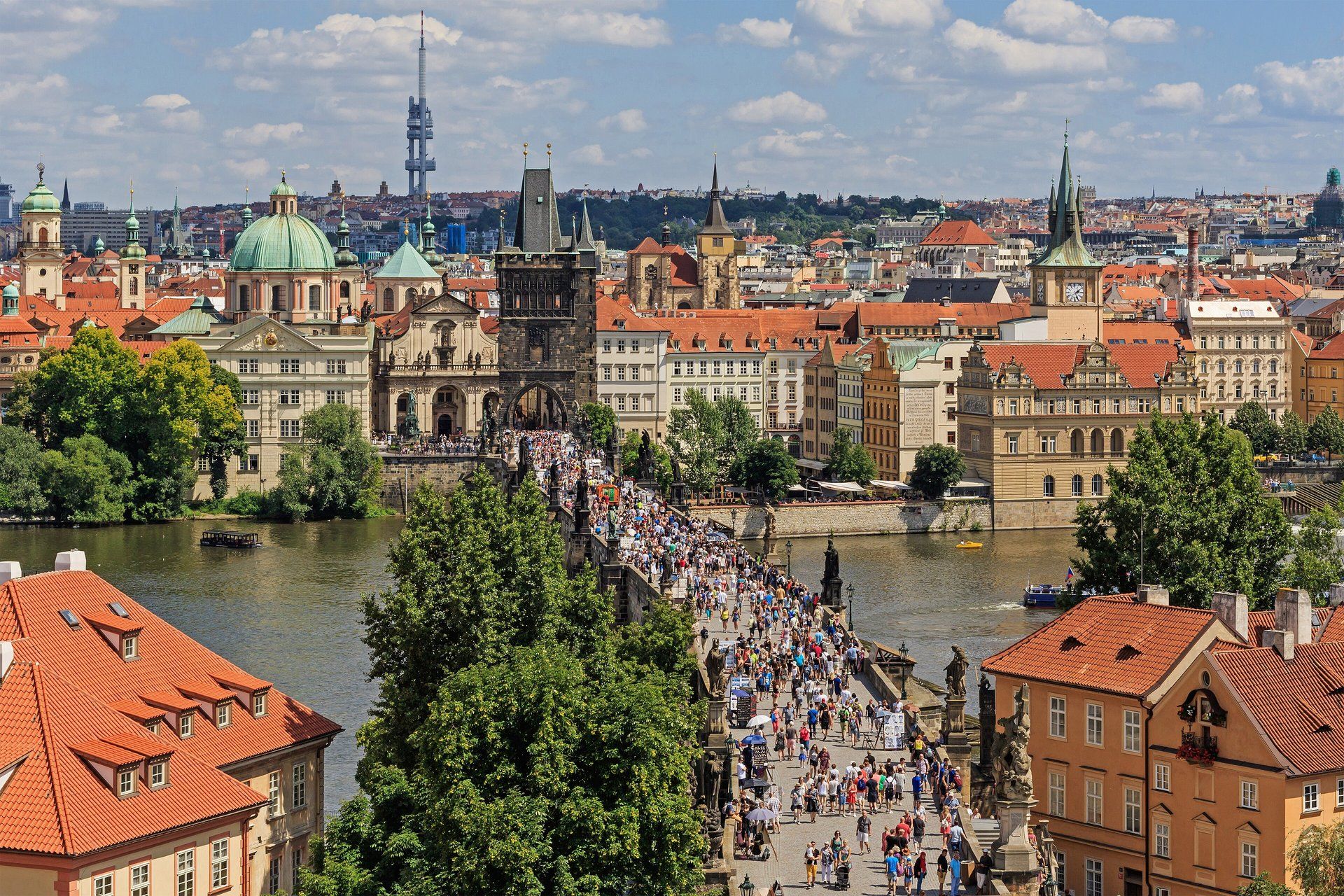
Pair the highlights of Salzburg into one easy trip — we'll plan the route.
WhatsApp
Contact Us
Get in touch with us.
Get in touch
Contact Us
Tell us where you'd like to go and how you like to travel. A real Tripcuro planner — not a bot — will craft an itinerary around you.
- Personalised, hassle-free planning end-to-end
- Transparent pricing, no hidden costs
- 24/7 support for complete peace of mind