
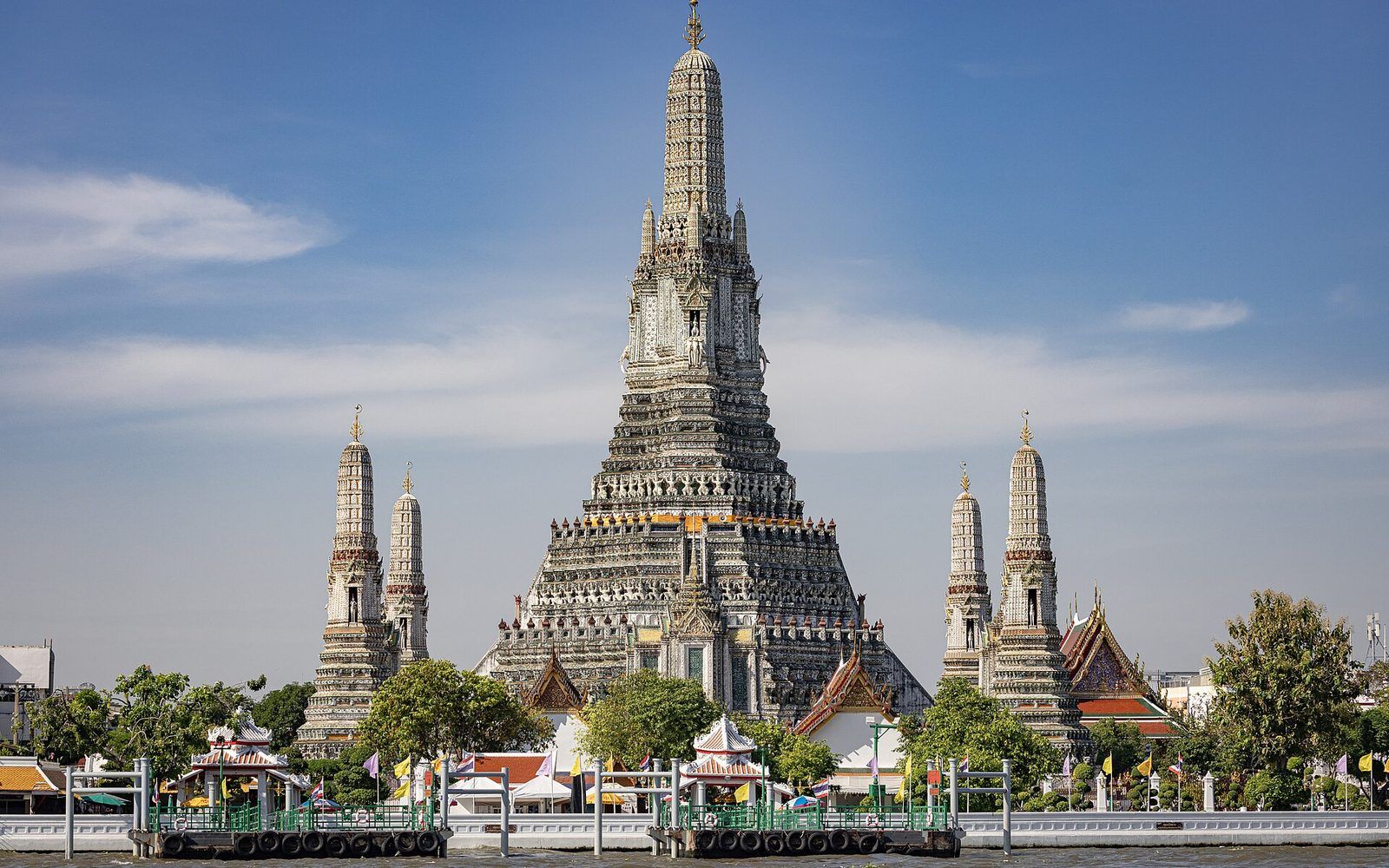
Nearly everyone in India has a Thailand story, and that is precisely the problem. The country has become such easy shorthand for a first holiday abroad that it is possible to go, tick off a beach and a night market, and never really see it at all. Do it well, though, and Thailand is one of the most rewarding trips you can build: a genuine spread of experiences, from a chaotic, brilliant capital to cool northern hills to some of the finest islands in Asia, all inside a week and a half.
In 2026 the case for going is stronger than ever. Indians continue to enter Thailand visa-free (the permitted day count is under revision; our Thailand visa explainer tracks exactly what is in force), the rupee stretches comfortably against the baht, and there are more direct flights out of Indian metros than to almost any other international destination. The trick is to treat Thailand as a country to be travelled properly rather than a package to be consumed, and the reward is a trip that feels far bigger than its distance from home.
Why Thailand is having its moment in 2026
Thailand welcomed 32.9 million foreign tourists in 2025, and India has quietly become one of its most important markets. Indian arrivals crossed the one-million mark before the halfway point of 2025 and finished the year around 2.49 million, making India Thailand’s third-largest source market after Malaysia and China. That is the direct result of the late-2023 visa waiver and a wall of new air connectivity from Indian cities.
The value angle is real, too. At around 0.35 baht to the rupee in mid-2026 (a baht costs a shade under three rupees), a bowl of boat noodles, a longtail-boat hop or a foot massage lands at prices that feel almost quaint against Indian metro rates. Thailand is one of the few destinations where a mid-range budget genuinely buys a luxury experience: the five-star pool villa, the private-guide temple morning and the spa afternoon are all within reach in a way they simply are not in Europe or Japan. The opportunity is to spend that value on depth rather than distance.
The signature experiences worth building a trip around
Thailand rewards travellers who pick three strong regions rather than sprinting through ten. A handful that consistently deliver:
- Bangkok, done with intent rather than as a layover, is one of Asia’s great cities. The Grand Palace and Wat Pho anchor a morning of old Siam; the Chao Phraya river and its canals give you the city from the water; and the street food, rooftop bars and night markets carry the evenings. Give it two full days and it repays them.
- Chiang Mai and the north are the cultural counterweight to the capital. This is Lanna country: the temples of Wat Phra Singh and Wat Chedi Luang in the walled old city, the mountaintop shrine of Wat Phra That Doi Suthep, morning markets, cooking classes and ethical elephant sanctuaries in the surrounding hills. The pace is slower, the air cooler, and the crafts are the real thing.
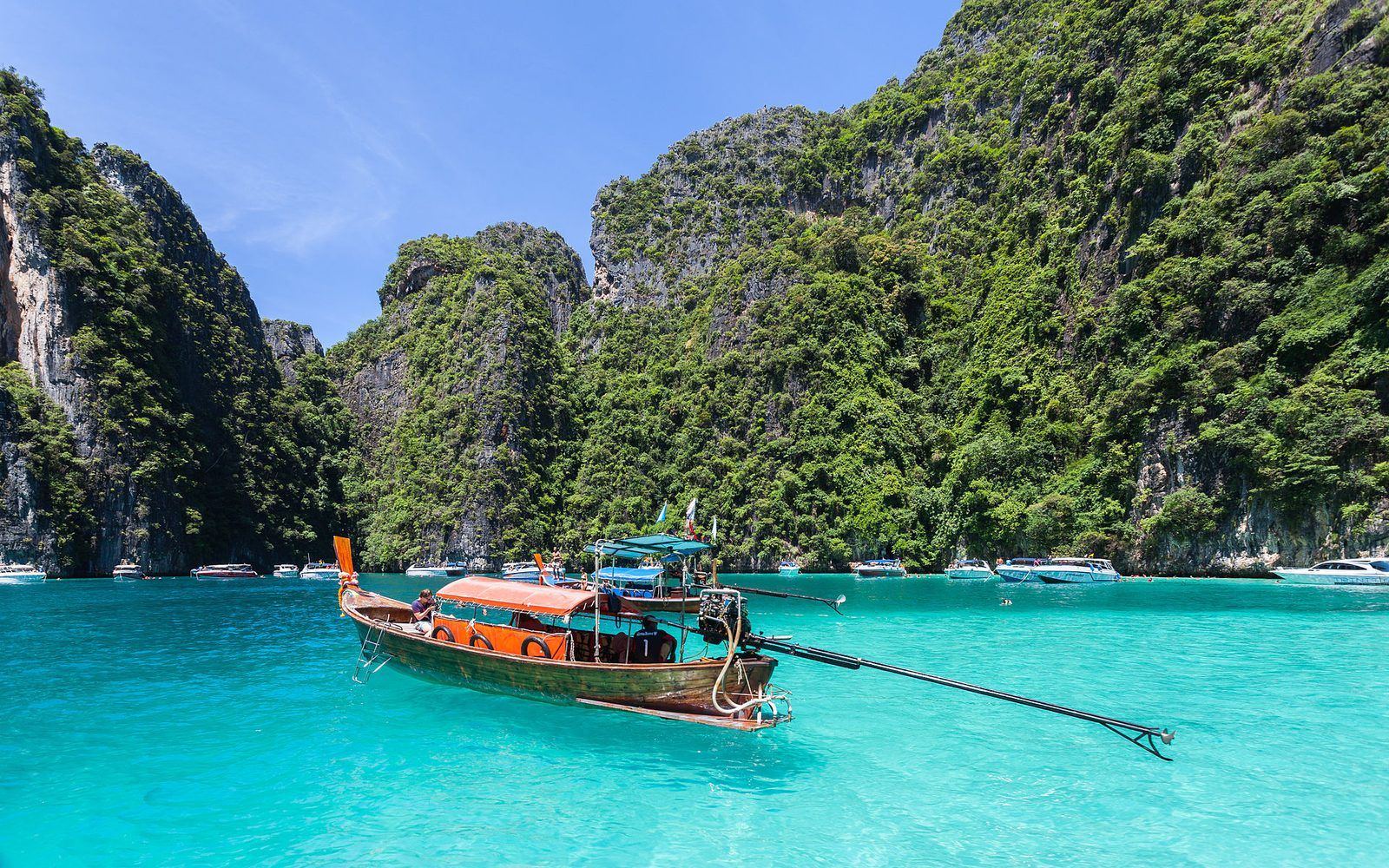
- The Andaman coast around Krabi and Phuket is where the postcards come from: limestone karsts rising straight out of turquoise water, longtail boats, the island-hopping runs to Phi Phi and the Similans, and beaches that earn their reputation. This western coast is at its best from November to March.
- Koh Samui and the Gulf islands offer a gentler, resort-led rhythm on the other coast, and serve as the gateway to the diving of Koh Tao and the full-moon nights of Koh Pha Ngan.
- Ayutthaya, the ruined former capital an easy day north of Bangkok, is the history lesson most first-timers skip and shouldn’t: fourteenth-century temples, stone prangs and weathered Buddha figures that put the whole country in context.
Woven through all of them is the same thread: a country that does hospitality, food and beauty at a standard, and a value, hard to match anywhere else in Asia.
A rhythm for a first trip: about 10 to 12 days
The classic mistake is trying to do the whole country and returning exhausted. A better shape for a first proper trip runs about 10 to 12 days across three regions.
- Days 1 to 3, Bangkok. Land, reset, and give the capital its due: palace and temples one morning, the river another, and the markets and rooftops by night.
- Days 4 to 6, Chiang Mai and the north. A short flight up for cool air, Lanna temples, a cooking class and a day in the hills. It is the change of texture that makes the trip feel complete.
- Days 7 to 11, the islands. Fly south to the Andaman coast around Krabi and Phuket, or to Koh Samui on the Gulf side, and slow right down: longtail boats, snorkelling, and beach time with nothing on the schedule.
- A day in hand. Keep one flexible day, whether for Ayutthaya’s ruins on the way out of Bangkok or simply an unbooked morning on the sand.
The connective tissue is the domestic flight network, which is cheap, frequent and quick, turning long distances into short hops and keeping the pace humane.
For Travellers From India
Visa. This is the easy part. Indian passport holders enter Thailand visa-free, with no fee at the airport or beforehand. The permitted length of stay is being revised, so rather than print a day count here that could go stale, we keep one page current: our Thailand visa explainer tracks what is actually in force versus what has merely been announced. The one non-negotiable is the Thailand Digital Arrival Card (TDAC): since 1 May 2025, every traveller must complete this free online form on the official Thai immigration website within 72 hours before arrival. Carry a passport valid for at least six months, a confirmed onward ticket and proof of accommodation.
Getting there. Few destinations are better connected to India. Delhi to Bangkok flies nonstop in about 4 hours 20 minutes, with Air India running as many as 16 daily flights on the route alongside IndiGo and Thai Vietjet Air. Mumbai, Bengaluru and Chennai all have direct services to Bangkok Suvarnabhumi, and fares in 2026 have started as low as around ₹11,000 from Mumbai and ₹12,000-₹13,000 from Delhi and Bengaluru. Book a few weeks ahead for the peak November-to-February window.
When to go. Aim for the cool, dry season from November to March, when skies are blue, humidity drops and daytime temperatures sit around a comfortable 26 to 32°C, especially for the Andaman islands, which are at their best in these months. Avoid April and May, when the heat can top 40°C, and the southwest monsoon from May to October, which brings the heaviest rain. One regional quirk to plan around: the Gulf islands of Koh Samui and Koh Pha Ngan run their own calendar and are wettest from October into December, so pair your island choice to your dates.
Money, food and connectivity. The baht is soft against the rupee, so your money goes far, but carry some cash for markets and boat operators and use cards where you can. Indian travellers eat extraordinarily well here, and vegetarian and Jain diners are well served, though it pays to flag no fish sauce or shrimp paste, which hide in many “vegetable” dishes; the growing number of Indian restaurants in Bangkok and Phuket is a useful safety net. Pick up a local eSIM on arrival for seamless data, which you will want for the TDAC, ride apps and maps.
Exclusive Hotel Deals
Through our partnerships with luxury hotel programs, we can offer exclusive perks at 10+ properties in Thailand:
SO/ Bangkok (Accor, 5-star, Bangkok)
- Daily complimentary breakfast for 2, per room
- VIP Welcome
- $100 USD credit to be spent on property (conditions defined at check-in)
- Early check-in & late check-out (upon availability)
Sofitel Bangkok Sukhumvit (Accor, 5-star, Bangkok)
- Daily complimentary breakfast for 2, per room
- VIP Welcome
- $100 USD credit to be spent on property (conditions defined at check-in)
- Early check-in & late check-out (upon availability)
Sofitel Krabi Phokeethra Golf & Spa Resort (Accor, 5-star, Nong Thale)
- Daily complimentary breakfast for 2, per room
- VIP Welcome
- $100 USD credit to be spent on property (conditions defined at check-in)
- Early check-in & late check-out (upon availability)
Banyan Tree Bangkok (Accor, 5-star, Bangkok)
- Daily complimentary breakfast for 2, per room
- VIP Welcome
- $100 USD credit to be spent on property (conditions defined at check-in)
- Early check-in & late check-out (upon availability)
Banyan Tree Samui (Accor, 5-star, Koh Samui)
- Daily complimentary breakfast for 2, per room
- VIP Welcome
- $100 USD credit to be spent on property (conditions defined at check-in)
- Early check-in & late check-out (upon availability)
Planning it well
Thailand is deceptively easy to reach and genuinely hard to do well. The gap between an average trip and an unforgettable one is almost entirely in the sequencing: which three regions to pair, how the domestic flights connect, which island suits your dates on which coast, and where the five-star value is worth spending. That judgement is what turns a familiar beach holiday into a trip you will actually remember. Pick your regions well, match the season to your coast, and let someone who knows the country handle the joins.
Let Tripcuro Plan Your Thailand Trip
Tripcuro designs your Thailand journey end to end, from the right flights out of your city and the TDAC paperwork to a route that balances Bangkok, the northern hills and the islands without the rush. We match the season to the coast, secure the pool villas and private-guide mornings worth having, and stitch the domestic hops together so the whole trip simply flows. Tell us how you like to travel, and we will build a bespoke itinerary around it.