
There is a particular kind of holiday that lets you spend your mornings in a city that never quite slows down, then end the same trip watching the sun drop into the sea from a windswept volcanic island. South Korea in 2026 is exactly that trip: Seoul’s electric momentum on one end, Jeju’s slow green quiet on the other. Here is why it is having its moment, and how to shape a journey that catches both.
Why South Korea is having its moment in 2026
South Korea has crossed a threshold this year. The country welcomed more than 10 million international visitors in 2026, with roughly 4.7 million arriving in the first quarter alone, the strongest start on record. The pull is partly the K-wave, the export machine of K-pop, K-drama, cinema and food that has turned a soundtrack into a shortlist of places people actually want to stand in.
But the more interesting shift is what people are coming to do. The 2026 trend is less about ticking off filming locations and more about living the everyday Korean rhythm, what tourism boards have started calling K-Life: a morning at a neighbourhood coffee roaster, an afternoon in a jjimjilbang bathhouse, a late dinner of Korean barbecue where you grill your own. At the same time, travel is spreading beyond the capital. Busan, Jeju, Gyeongju and the design-forward Seongsu-dong district are all pulling international crowds, which means a 2026 itinerary can feel genuinely varied rather than one long queue at the same three landmarks.

Seoul’s energy: the city that keeps moving
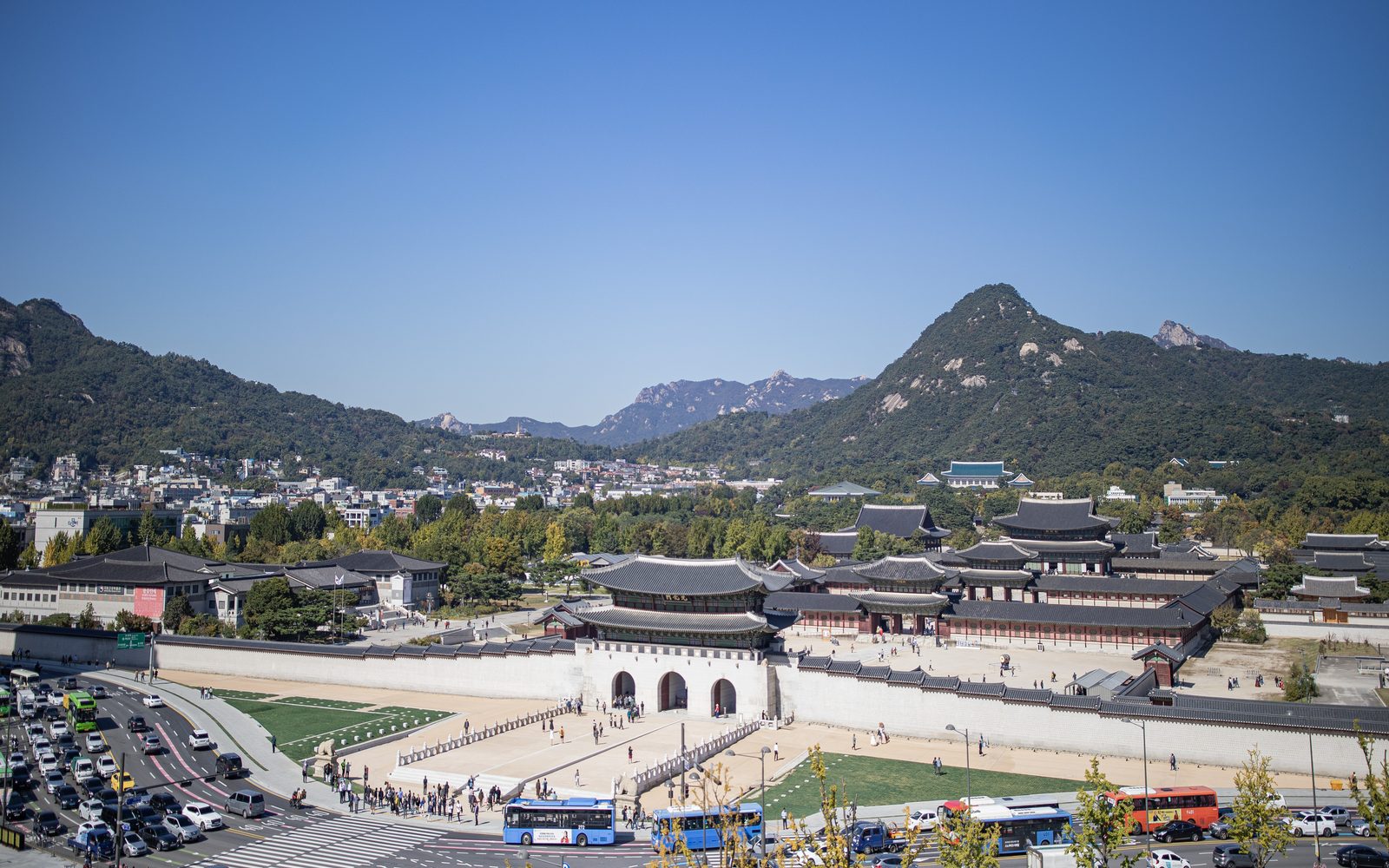
Seoul rewards travellers who lean into its contrasts. In a single day you can walk the wooden hanok lanes of Bukchon, tour the throne halls of Gyeongbokgung Palace (worth timing for the changing-of-the-guard), then be swept into the glass canyons of Gangnam by nightfall.
A few threads to weave through your days:
- Palaces and old Seoul — Gyeongbokgung and Changdeokgung’s Secret Garden, then tea in Insadong.
- The new creative city — Seongsu-dong’s warehouse cafes and concept stores, Hongdae’s live music, the Dongdaemun Design Plaza glowing after dark.
- Food, endlessly — Gwangjang Market for street food, a proper Korean barbecue night, and a hunt for the perfect knife-cut noodles.
- The view — Namsan Seoul Tower or a rooftop bar to see just how far the city sprawls.
Seoul is compact where it counts, and its subway is one of the easiest in the world to navigate, so you can pack a lot into a short stay without feeling rushed.
The quiet of Jeju: volcanic coast and slow days
Fly roughly one hour south and the tempo drops completely. Jeju Island is South Korea’s subtropical escape, built around Hallasan, the dormant volcano at its centre, and ringed by black-rock beaches, lava tubes and green tea fields.
Jeju is made for unhurried days. Hike a stretch of the Olle coastal trails, climb the crater rim of Seongsan Ilchulbong (the “Sunrise Peak”) at dawn, wander the columnar cliffs at Jusangjeolli, and slow down over fresh seafood grilled seaside. If you visit in season, the island’s tangerine groves and canola-yellow fields turn the whole place cinematic. Because Jeju sits in the warmest part of the country, spring arrives here first, which makes it a lovely soft landing at either end of a trip.

A suggested rhythm: ~7 to 9 days
A week to nine days lets both halves breathe without a forced march. One natural flow:
- Days 1 to 4, Seoul — palaces and Bukchon, a market-and-barbecue evening, a day trip out to the DMZ or Nami Island, and one full day just for the creative neighbourhoods.
- Days 5 to 7, Jeju — an internal flight down, then coastal trails, Sunrise Peak, and genuinely slow mornings by the sea.
- Days 8 to 9, your choice — either loop back through Seoul for the shopping and food you missed, or add Busan for beaches, the Gamcheon culture village and the country’s best seafood market.
If you only have ~5 days, do Seoul plus a short Jeju add-on. The point of the pairing is the contrast, so protect at least a couple of genuinely unstructured days on the island.
For travellers from India
Visa. This is the single most important thing to get right. Indian passport holders are not eligible for the K-ETA and are not on South Korea’s visa-free list, so plan on a full sticker visa. The standard route is the C-3 short-stay tourist visa (up to 30 days), applied for through the Korean embassy or an authorised visa centre such as BLS in India before you travel. Frequent or well-documented travellers may be granted a multiple-entry visa valid for up to five years. Note the Jeju “visa-free” waiver you may read about is an island-only facility and does not give onward entry to the mainland, so it is not a workaround for a Seoul-and-Jeju trip. Separately, since 2025 all visitors must complete the online e-Arrival Card before arriving; do this a few days out. Always confirm current rules with the embassy before booking, as visa policy shifts.
Getting there. From Delhi, both Air India and Korean Air fly non-stop to Seoul’s Incheon airport, with the flight running around ~7 hours. From Mumbai, Bengaluru and other cities you will typically connect through a hub such as Singapore, Bangkok, Hong Kong or a Gulf city, putting total travel time in the region of ~12 hours or more depending on the layover.
When to go. The two sweet spots are spring (late March to April) for cherry blossoms and autumn (late October to early November) for foliage. Blossoms open first in Jeju and Busan in late March, then reach Seoul in early April; for 2026, forecasters expect blooms a few days earlier than usual. May and October are the most reliably pleasant months overall, mild and dry. Avoid the late-June to July monsoon if you can, and pack seriously warm layers for a winter visit.
Food and connectivity. Vegetarian and Jain travellers should plan ahead: Korean cooking leans heavily on meat, seafood and fish-based stocks, so learn a few phrases, seek out temple-food restaurants and Indian eateries in Seoul, and flag dietary needs clearly. Connectivity is superb everywhere, and the easiest move is a prepaid tourist SIM or eSIM from the airport, which keeps navigation, translation apps and payments running smoothly.
Planning it well
South Korea is a rewarding place to travel independently, but the details are where a bespoke trip earns its keep: the visa paperwork and appointment timing, the internal Seoul-to-Jeju flight, the right neighbourhood to base yourself in, and pacing the two halves so the city energises rather than exhausts you. Book the blossom and foliage windows early, because they draw the biggest crowds, and build in the slow days on Jeju that make the whole thing memorable.
Let Tripcuro Plan Your South Korea Trip
Tripcuro designs your South Korea journey end to end, from the visa paperwork and the best-value flights out of India to the right neighbourhoods in Seoul and the quiet corners of Jeju. We match the pace to how you like to travel and handle every booking, so your only job is to show up. Tell us your dates and we will shape an itinerary that catches both the city’s energy and the island’s calm.