
Most travellers reach for Fiji or Bali when they think South Pacific, and then spend the trip sharing the view with everyone else who thought the same. Samoa is the quieter answer sitting one island group over: two big volcanic islands, black-rock coastlines, waterfalls that thunder in the wet months, and a saltwater trench you climb down a ladder to swim in. It moves at the pace of village life, not the resort clock, and that is precisely the point.
In 2026 it is having a genuine moment, but on its own terms. Samoa welcomed 183,147 visitors in 2025, a modest rise on the year before, with holiday arrivals in particular jumping close to 20 per cent. This is not a place being overrun. It is a place quietly gaining confidence, and the window to see it before the crowds thicken is open now.
Why Samoa is having its moment in 2026
The numbers tell a specific story. Samoa logged 250,984 total arrivals in 2025 and tourism earnings of around WS$500 million, with average spend per visitor climbing year on year. New Zealand supplies almost half the market and Australia a quarter, which means the island is still overwhelmingly an Antipodean secret, barely on the radar of travellers coming from further afield. For an Indian traveller, that is the opportunity: world-class Pacific scenery without the Instagram scrum of the better-known islands.
There is also a shift in the air on the ground. The government is investing in a revived national carrier, with the prime minister targeting new jets for routes to New Zealand and Australia, and Digicel is switching on fresh towers across Savai’i through 2026 to widen mobile coverage. Samoa is deliberately building the connective tissue that makes a longer, deeper trip possible. Come now and you get the island as it is: unhurried, uncrowded and unmistakably itself, before the infrastructure catches up with the beauty.
The signature experiences worth building a trip around
Samoa rewards travellers who chase a handful of deeply felt places rather than a checklist. A few that consistently deliver:
- To Sua Ocean Trench, on Upolu’s southern coast, is the island’s defining image: a deep saltwater swimming hole, sunk some 30 metres below ground level and fed by the Pacific through hidden channels, reached by a steep wooden ladder down into jungle-fringed turquoise. It is Samoa’s answer to Mexico’s cenotes, and swimming there in the early morning before the tour vans arrive is one of the great Pacific experiences.
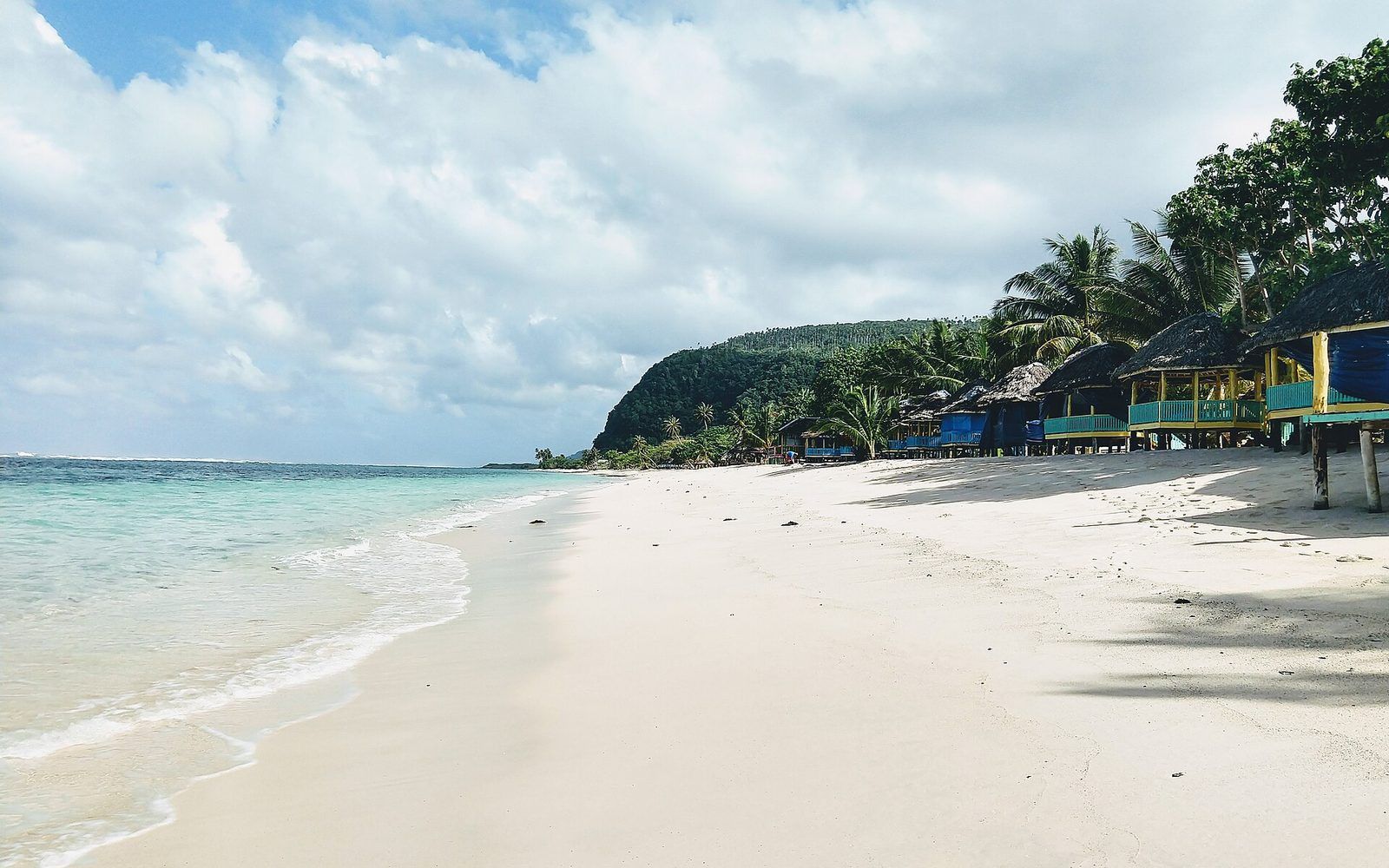
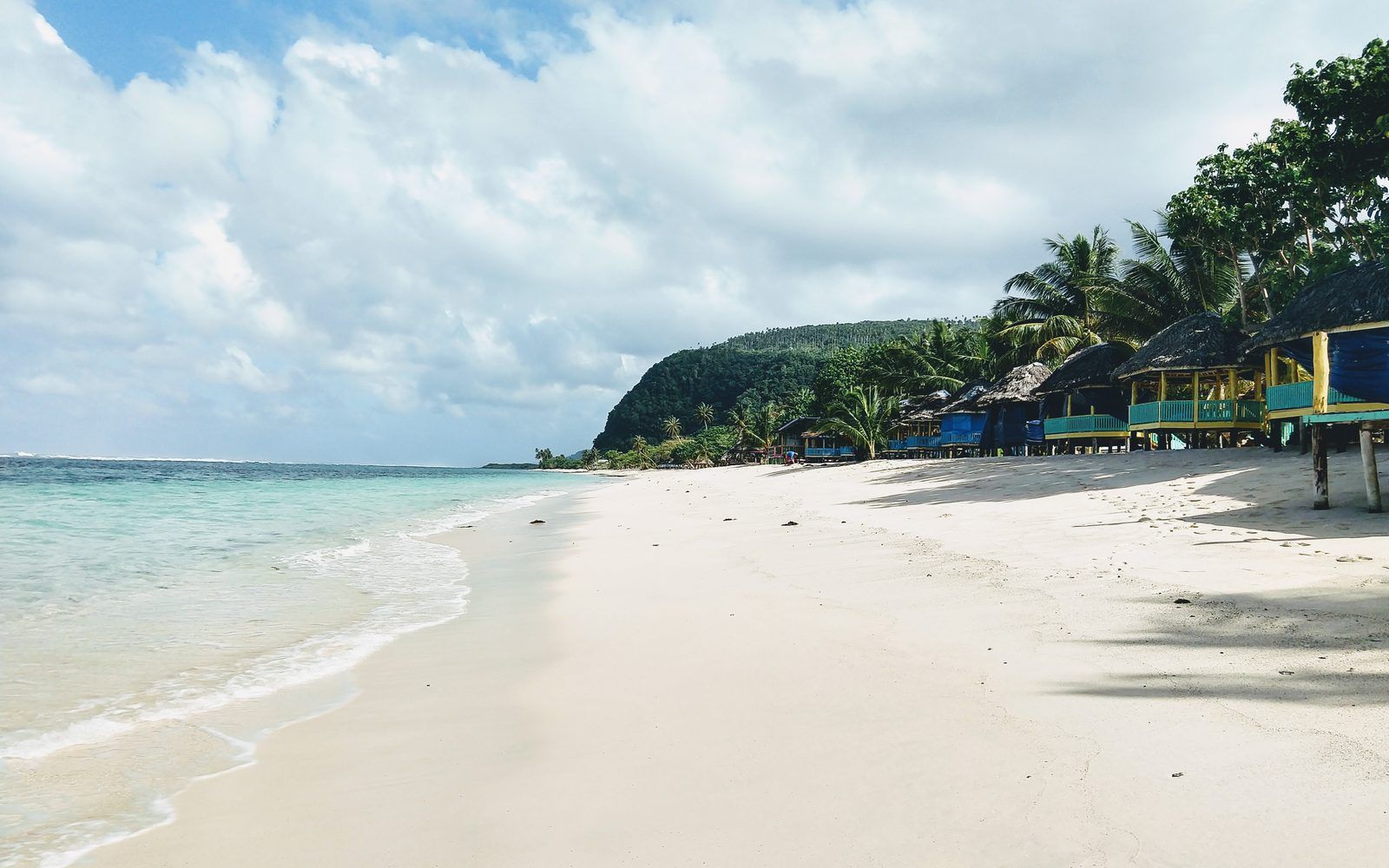
- Lalomanu Beach, at Upolu’s south-eastern tip, is the postcard: a turquoise lagoon, powder-fine white sand, a warm sea with a soft sandy floor, and a fringe of palms giving way to traditional beach fales. Spend a night in one and the island’s rhythm becomes obvious.
- Sleeping in a beach fale is the quintessential Samoan stay: an open-sided thatched hut on stilts with a deck, blinds you roll down against the breeze, and the lagoon a few steps away. It is simple, communal and often includes dinner and breakfast cooked by the family who own it, and it will teach you more about Samoa than any resort.
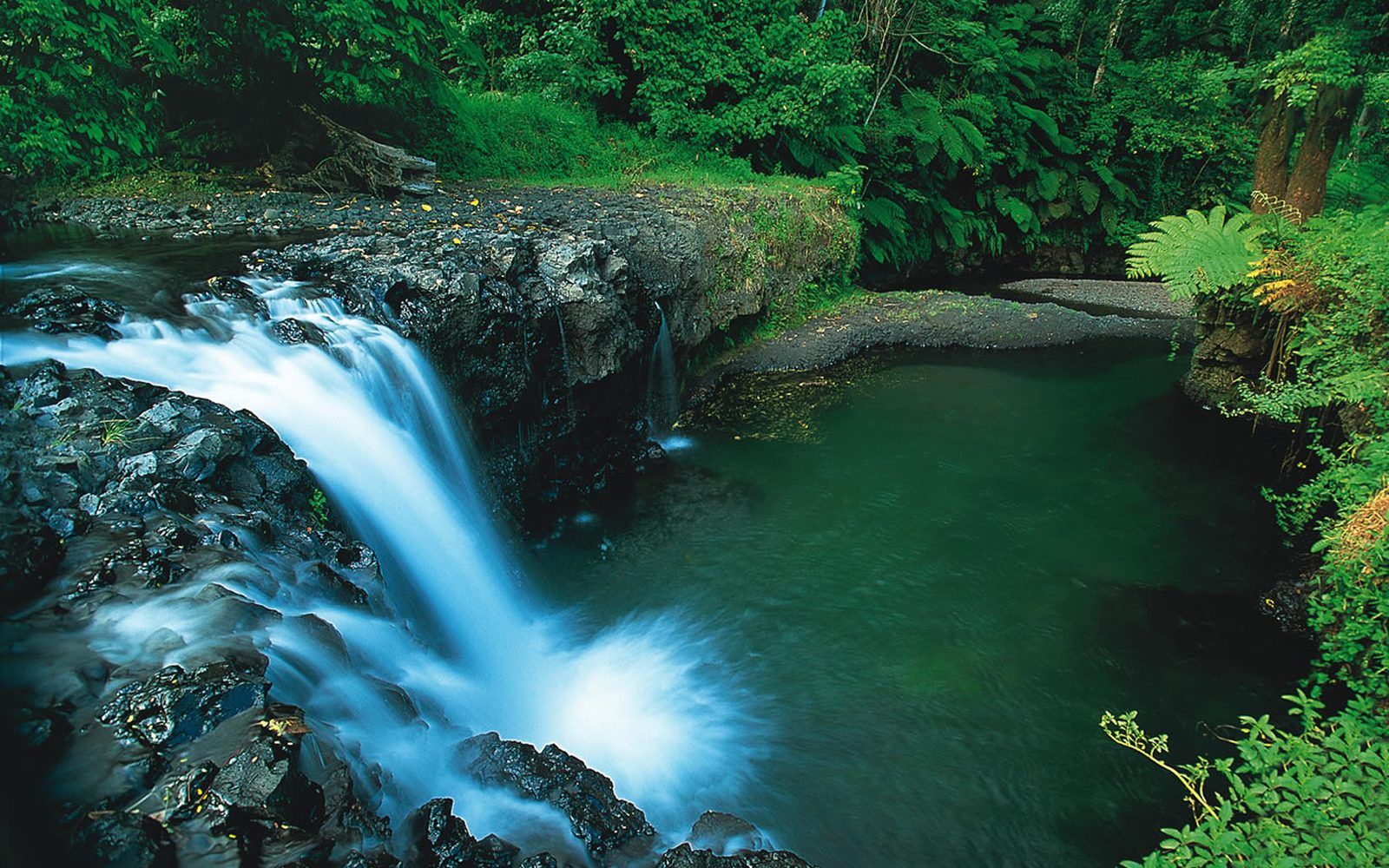
- Savai’i, the larger, wilder island a short ferry from Upolu, is where the pace drops again: lava fields from historic eruptions, blowholes that fire spray metres into the air, ancient star mounds and some of the country’s most spectacular waterfalls, all with a fraction of Upolu’s traffic.
- The Robert Louis Stevenson Museum at Vailima, in the hills above the capital Apia, is the writer’s final home, now beautifully kept. The Samoans called him Tusitala, teller of tales, and the pilgrimage up Mount Vaea to his grave, with its famous self-penned epitaph, is a quietly moving hour.
Woven through all of it is fa’a Samoa, the Samoan way: village-run attractions, a Sunday umu feast cooked in earth ovens of hot volcanic stones, and a genuine warmth that resorts elsewhere try, and fail, to manufacture.
A rhythm for a first trip
The classic mistake is trying to island-hop the whole Pacific and feeling none of it. A better shape for a first Samoa trip runs about eight to ten days and keeps the pace humane, because locals themselves reckon the island is a one-to-four-week place, not an overnight stop.
- Days 1 to 3, Upolu and Apia, lightly. Land at Faleolo, settle in near Apia, visit Vailima and the Stevenson museum, and find your feet in the markets before heading out.
- Days 4 to 6, the south coast. Base around Lalomanu or the To Sua area. Swim the trench at dawn, do nothing much on the beach, and sleep at least one night in a fale.
- Days 7 to 9, cross to Savai’i. Take the ferry for lava fields, blowholes and waterfalls, staying on the coast where the sunsets are the whole evening’s entertainment.
The connective tissue is slowness itself. Samoa is not a place you optimise; the best hours are the unscheduled ones, watching a squall roll across the lagoon with nothing booked.
For Travellers From India
Visa. This is the easy part. Samoa issues a gratis 90-day Visitor’s Permit to Indian passport holders on arrival, free of charge, with no application to file in advance. You simply turn up. To be issued it you need a passport valid for at least six months, a confirmed return or onward ticket, proof of accommodation and evidence of sufficient funds, so keep those to hand at immigration. As always, reconfirm the current rules close to travel, since permit conditions can change.
Getting there. There are no direct flights from India, and Samoa is genuinely far, so treat the journey as part of the adventure. The practical route is via a Pacific hub: fly from Delhi, Mumbai or Bengaluru to Auckland (through Singapore or a Gulf city), then take Air New Zealand or Fiji Airways onward to Apia’s Faleolo airport, a roughly four-hour final hop. Nadi in Fiji works as an alternative gateway on Fiji Airways. Door to door, budget the better part of a day and a half each way, and build in a night in Auckland or Nadi rather than sprinting the connections.
When to go. Aim for the dry season, May to October. June, August and October hit the sweet spot of warm 28°C days, calm seas and thinner crowds, and October in particular pairs the best weather with the cheapest dry-season fares. The wet season, November to April, brings higher rainfall and a small cyclone risk, but also the waterfalls at their most dramatic and the lowest prices, if you do not mind afternoon showers.
Money, food and connectivity. The currency is the Samoan tala (WST), worth roughly ₹33 in 2026, so a WS$100 fale night is about ₹3,300. Cash still rules outside Apia, so carry it. Vegetarians eat well: palusami (taro leaves baked in coconut cream), breadfruit, taro and coconut are staples, and an umu feast is a highlight, though flag that you do not eat the corned beef that often finds its way in. For data, pick up a local SIM from Vodafone Samoa or Digicel on arrival; coverage is solid across Upolu and improving on Savai’i, but expect it to fade in the wilder corners, which is rather the point.
Planning it well
Samoa is easy to love and surprisingly fiddly to sequence well. The gap between a good trip and an unforgettable one lives in the joins: which Auckland or Nadi connection actually works, which nights belong in a beach fale versus a proper roof over your head, how to time the Savai’i ferry, and how to reach the trench before the tour vans do. Get those right and the island does the rest. In a year when Samoa is quietly finding its confidence and still gloriously uncrowded, that judgement is what turns a long-haul gamble into the South Pacific trip you will be talking about for years. Go now, go slowly, and let someone who knows the joins handle them.
Let Tripcuro Plan Your Samoa Trip
Tripcuro designs your Samoa journey end to end, from the right flights out of your city and the Auckland or Nadi connection that actually works, to a route that balances the trench, the fales and the wild coast of Savai’i. We match the season to your dates, secure stays worth the splurge and the fales worth the simplicity, and stitch the ferries and connections together so a long-haul trip simply flows. Tell us how you like to travel, and we will build a bespoke itinerary around it.