
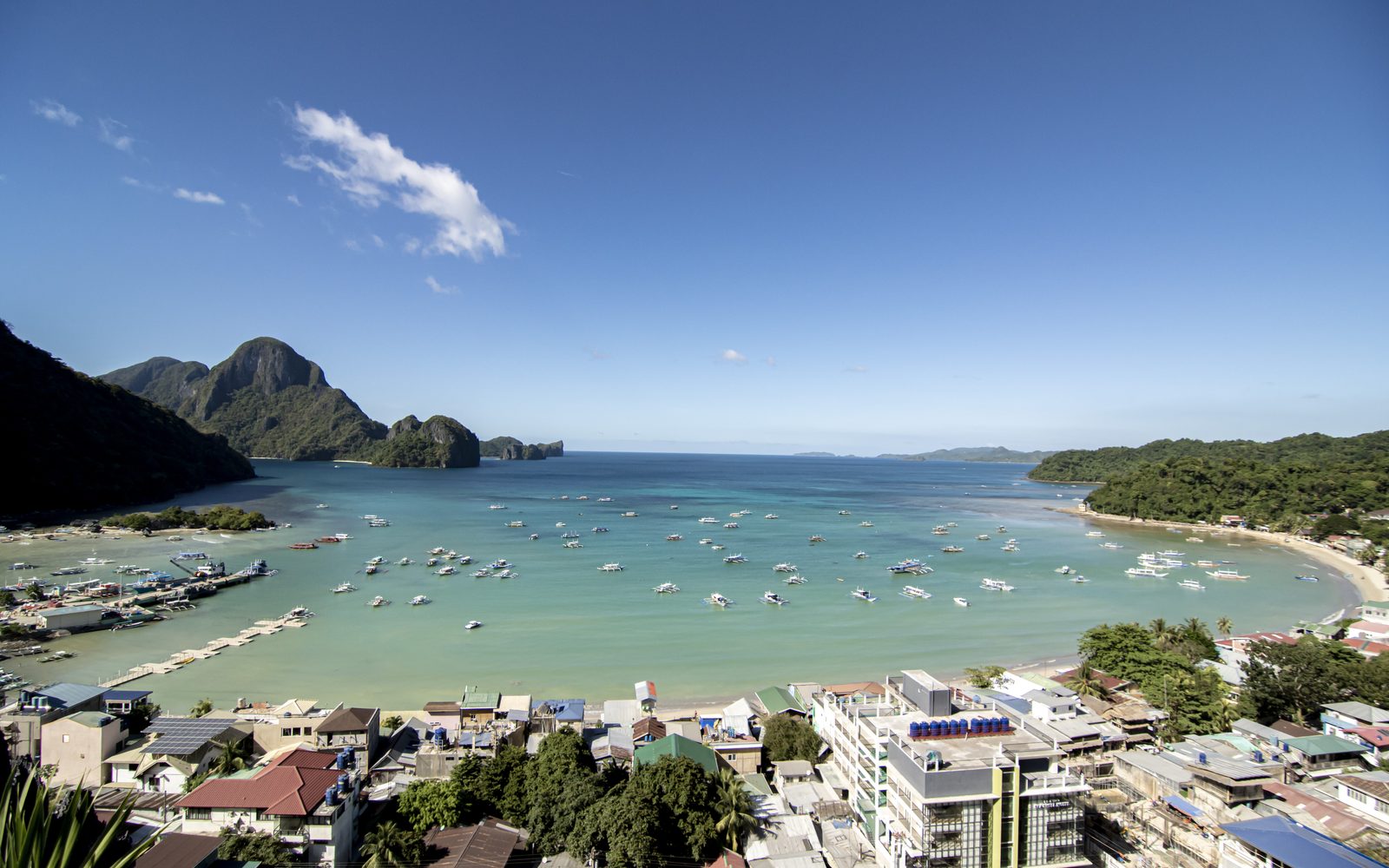
Some countries you visit; the Philippines you thread together, one boat ride at a time. Spread across more than 7,000 islands, this is a place built for hopping between limestone lagoons, surf breaks and sandbars that vanish at high tide. For 2026, with a fresh visa window for Indian travellers and smoother inter-island connections, it has quietly become one of Asia’s most rewarding trips to plan well.
Why the Philippines is having its moment in 2026
The Philippines spent years as the ASEAN destination Indian travellers skipped in favour of Bali or Phuket. That is changing fast. Tourism has rebounded strongly, with key source markets returning and arrivals climbing back toward pre-pandemic highs, and the country is investing in the infrastructure that island-hopping depends on.
Two things make 2026 the year to go. First, access has opened up: new international gateways at Clark and Panglao (Bohol) are running at fuller capacity, and the Siargao Airport expansion is making the once-remote surf island far easier to reach. Second, the Philippines remains genuinely less crowded than its neighbours away from a handful of headline spots, so the lagoons and reefs still feel like discoveries rather than queues.
For discerning travellers, that combination is the sweet spot: a country polished enough to be comfortable, wild enough to still surprise you.

The signature experiences: Palawan, Siargao and beyond
Palawan is the postcard. In the north, El Nido and Coron deliver the images that sell the country — sheer limestone karsts rising straight out of jade water, hidden lagoons you paddle into through gaps in the rock, and some of the best wreck diving in the world around Coron’s sunken WWII fleet. Boat tours here are lettered A through D in El Nido; a good planner mixes them so you are not retracing the same lagoons twice.
Siargao is the counterpoint. Once a pure surfers’ secret, it has grown into a laid-back haven of palm-lined dirt roads, tidal rock pools at Magpupungko, and island-hopping day trips to Naked, Daku and Guyam islands. You do not need to surf to love it; the pace is the point.
Beyond the two headliners, the country rewards going further:
- Bohol — the surreal Chocolate Hills, tarsiers, and the powder beaches of Panglao, now with its own international airport.
- Cebu — a practical central hub that pairs city convenience with canyoneering at Kawasan Falls and whale-shark encounters near Oslob and Moalboal’s sardine runs.
- Bacuit and beyond — quieter sandbars, homestays and reefs for travellers who want to trade polish for space.
A suggested rhythm: roughly 10 to 12 days
The Philippines punishes cramming — inter-island logistics eat time, and the joy is in slowing down. A comfortable first trip runs about ~10 to 12 days, anchored on two or three islands rather than five.
- Days 1–2: Arrive via Manila or Cebu, shake off the flights, and connect onward. Treat the gateway city as a transit point, not a destination.
- Days 3–6: Palawan — split time between El Nido’s lagoons and, if diving draws you, a couple of nights in Coron.
- Days 7–10: Siargao or Bohol, depending on whether you want surf-town calm or hills-and-beaches variety.
- Days 11–12: A slow finish — a final island-hopping day, then the buffer you will be grateful for when a domestic flight shifts.
Keep at least one flexible day in the plan. Weather and boat schedules here are suggestions more than guarantees, and the travellers who fare best build in slack.

For travellers from India
Visa. This is the headline change. Since June 2025, Indian passport holders can enter the Philippines visa-free for up to 14 days for tourism, confirmed and in effect through 2026. You must carry a passport valid at least six months beyond your stay, confirmed accommodation, proof of sufficient funds, and a return or onward ticket. Planning longer than 14 days means applying for an e-visa in advance (fee around PHP 1,500, roughly ~USD 26, processed in about ~3 to 5 business days). Separately, Indians already holding a valid US, UK, Schengen, Australian, Canadian, Japanese or Singapore visa can enter visa-free for up to 30 days.
The one form everyone needs. All arrivals must register on the official eTravel portal (etravel.gov.ph) within 72 hours before landing — it has replaced paper arrival cards. It is free; do it before you fly.
Flights. There are no non-stop flights from India as of 2026, so expect one stop — most commonly via Singapore, Kuala Lumpur or Hong Kong — into Manila or Cebu. Carriers like Singapore Airlines, Cathay Pacific, Malaysia Airlines and Philippine Airlines cover the major metros. Return fares typically run from around ~INR 38,000 in shoulder season to ~INR 70,000-plus in the December–January peak. Once inside the country, budget carriers (Cebu Pacific, AirAsia, Philippine Airlines) link the islands cheaply — Manila to Cebu is under two hours.
Best time to go. Aim for the dry season, roughly November to April. December through March is peak, with the best weather and the highest prices and crowds; the shoulder weeks on either side are the value sweet spot. The June–October wet season brings typhoons and choppier seas that can cancel the very boat trips you came for.
Food and connectivity. The food is a warm surprise — think garlicky, savoury, sometimes sweet-sour, with standout seafood and dishes like adobo, sinigang and kinilaw. Vegetarian travellers should flag preferences ahead, as many staples are meat- or fish-forward; in tourist hubs, plant-based options are increasingly easy. Grab a local SIM or eSIM at the airport for reliable data — connectivity is good in the towns and patchy on remoter islands, which is often part of the charm. English is widely spoken, which makes navigating far easier than first-timers expect.
Planning it so it actually flows
The Philippines is one of those places where the difference between a great trip and a frustrating one is almost entirely in the sequencing. Boat schedules, tide tables, island-to-island flight windows and weather all have to line up, and they rarely do by accident. Overpack the itinerary and you spend the holiday in transit; underplan it and you lose days to missed connections.
The travellers who come home glowing are the ones who chose two or three islands, matched them to the season, built in buffer, and let someone who knows the routes handle the logistics. Get that right, and the Philippines gives you the rarest thing in modern travel — the feeling of somewhere still genuinely yours.
Let Tripcuro Plan Your The Philippines Trip
Tripcuro designs your Philippines journey end to end, matching the right islands to the right season and weaving Palawan, Siargao and beyond into a rhythm that actually flows. We handle the visa guidance, the flight and boat connections, and the on-the-ground details so you simply arrive and enjoy. Tell us how you like to travel, and we will craft a bespoke itinerary built entirely around you.