
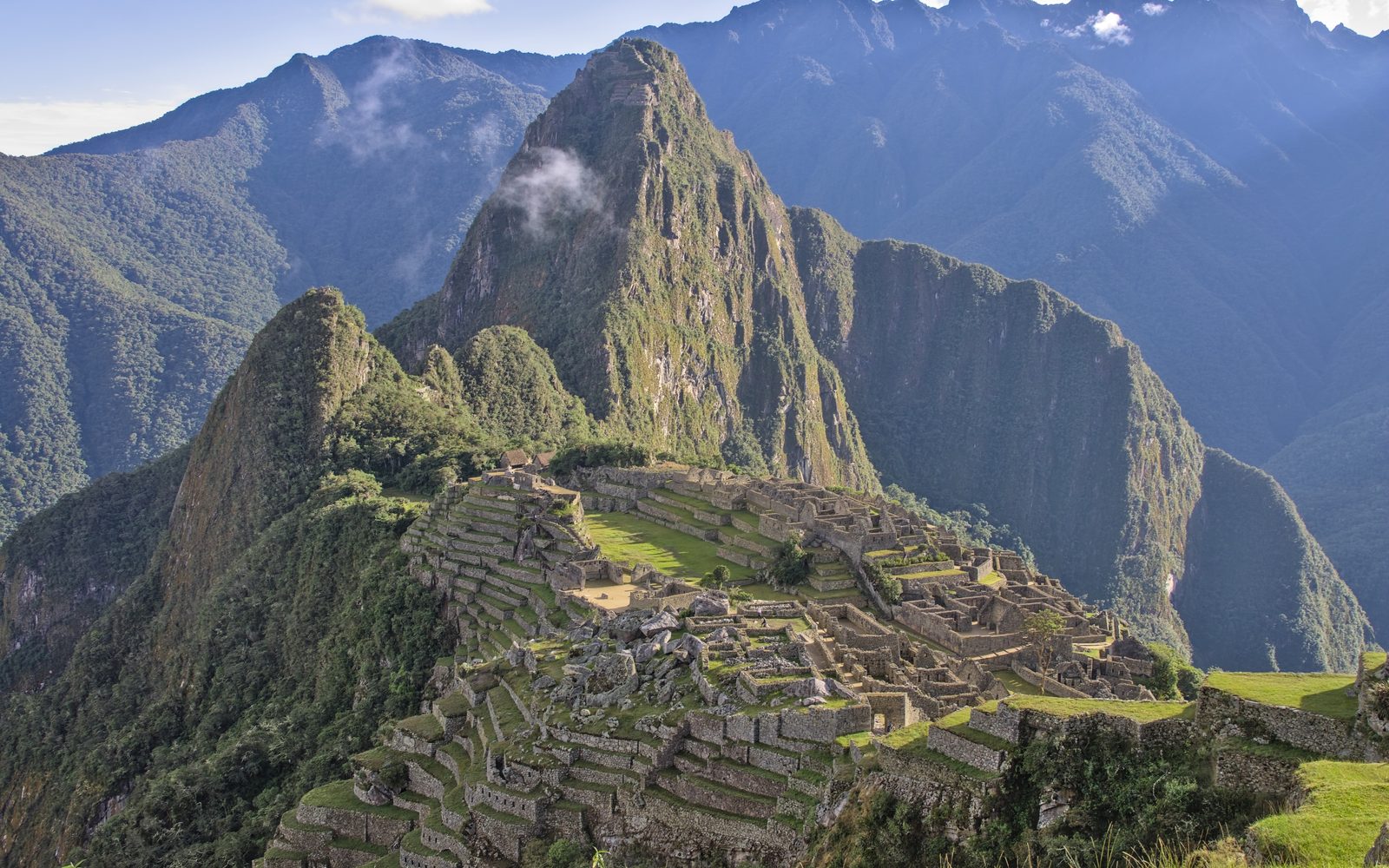
Everyone comes to Peru for Machu Picchu, and rightly so. But the travellers who leave truly changed are the ones who slow down in the Sacred Valley and the wider Andes, where terraced ruins, salt pools, and weaving villages still hum with a living Inca inheritance. For 2026, that quieter Peru is not just the better trip. Thanks to new rules at the citadel itself, it is the smarter one.
Why Peru Is Having Its Moment in 2026
Lonely Planet named Peru among its best destinations for 2026, and the numbers back the buzz. The country welcomed around 824,000 international visitors in the first quarter of the year, up roughly 3.5 percent on 2025. Access is improving too, with new co-marketing airline alliances and fresh long-haul routes into Lima.
The more interesting story is a shift in how Peru manages its most famous site. From 2026, Machu Picchu runs on a structured system of daily visitor caps, ten defined sub-routes across three circuits, and hourly time slots. Entry is single-use with no re-entry, and there is a 30-minute grace period on your printed time. The practical effect is that your hours inside the citadel are now precious and finite, which is exactly why the surrounding Sacred Valley and the high Andes have become the heart of a great Peru trip rather than a warm-up act.
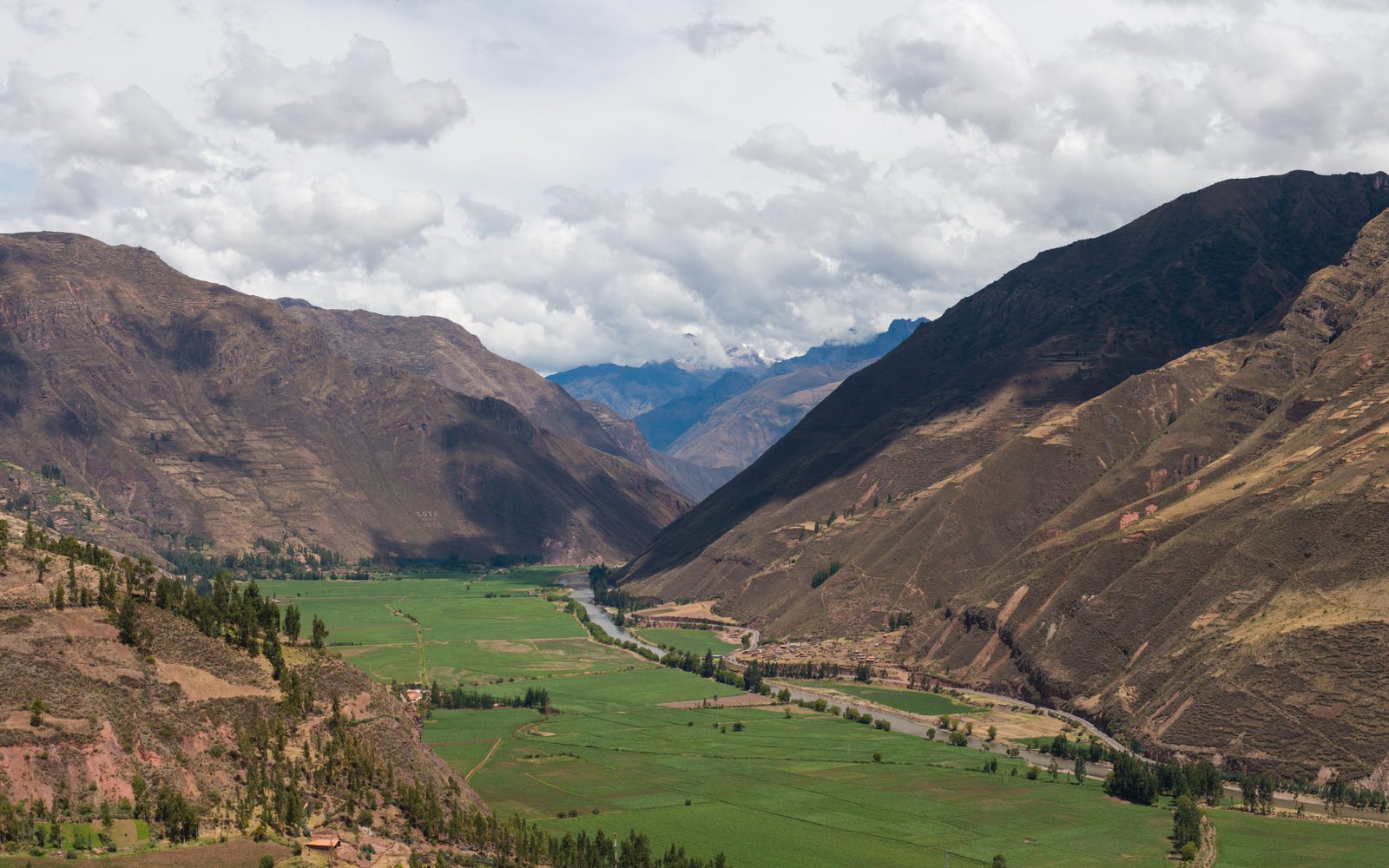
The Sacred Valley: Peru’s Real Centre of Gravity
The Sacred Valley of the Incas unspools along the Urubamba River between Cusco and Machu Picchu, and it rewards every extra day you give it.
- Ollantaytambo is a living Inca town, its original stone streets and water channels still in use, watched over by a dramatic hillside fortress. It is also where you board the train to Machu Picchu, so it makes an ideal final base.
- Pisac pairs cliffside ruins and agricultural terraces with a famous market, most vivid when surrounding communities gather to trade produce and crafts.
- Maras and Moray deliver big scenery for little effort: thousands of terraced salt pools worked since pre-Inca times, and the concentric circular terraces of Moray, an open-air Inca agricultural laboratory.
- Chinchero is the home of Andean weaving, where cooperatives still spin, dye, and loom by hand.
Beyond the valley floor lie the high-altitude showstoppers. Humantay Lake is a moderate hike to a turquoise glacial pool, while Rainbow Mountain is the bucket-list, very-high-altitude walk best attempted in the dry season. Both demand respect for the thin air, which shapes how you sequence the trip.
A Sensible ~9-Day Rhythm
Peru at altitude cannot be rushed. Cusco sits above 3,300 metres, and the golden rule is to acclimatise low and slow before any hard hiking. A comfortable flow looks like this:
- Days 1 to 2 in Lima, easing off the long flight with the ceviche, Nikkei, and world-ranked dining that make the capital a genuine food destination.
- Days 3 to 5 in the Sacred Valley, which sits lower than Cusco and is the ideal place to acclimatise. Base yourself near Urubamba or Ollantaytambo and work through Pisac, Maras, Moray, and Chinchero at an unhurried pace.
- Day 6 at Machu Picchu, taking the train from Ollantaytambo and using your assigned circuit and time slot well.
- Days 7 to 8 for the high Andes or Cusco, adding Humantay Lake or Rainbow Mountain once you are properly acclimatised, then enjoying colonial Cusco itself.
- Day 9 to fly home, or to extend toward the Amazon or Lake Titicaca if time allows.
The point of this shape is simple: give altitude the respect it needs, and let Machu Picchu be the crescendo rather than a stressful sprint on day one.

For Travellers From India
Visa. Indian passport holders normally need a visa for Peru, applied for through the Peruvian Embassy in New Delhi, ideally three to four weeks ahead. There is a valuable shortcut, though: if you hold a valid visa from the USA, Canada, UK, Australia, or a Schengen country, valid for at least six months, you can generally enter Peru visa-free for tourism. This makes a US or Schengen visa well worth having in your passport. Carry proof of onward travel, accommodation, and funds, and keep at least six months of passport validity.
Getting there. There are no direct flights from India to Lima, so expect one or two stops and a total journey time from roughly 24 hours upward. The most efficient routings run through European hubs such as Paris, Amsterdam, Madrid, or Frankfurt, or via US gateways. Return fares from Delhi and Mumbai have recently sat broadly in the range of ~1.9 lakh INR, with cheaper windows appearing in shoulder months, so booking early and flexibly pays off.
When to go. The dry season from May to September is the sweet spot for the Sacred Valley, Cusco, and the high hikes, with clear skies and stable trails. June to August is driest and busiest; May and September offer similar weather with thinner crowds. Note that nights at altitude can drop near freezing even when days are pleasantly mild, so pack warm layers.
Food and connectivity. Peruvian cuisine is a highlight in its own right, and vegetarians manage well in the highlands, where potatoes, quinoa, corn, and fresh produce anchor the table. Do go gently on rich food and alcohol during your first day or two at altitude. A local eSIM keeps you connected in towns and cities, though signal thins out on remote trails, so download offline maps before you set off.
Planning It Well Is the Whole Game
Peru in 2026 is more rewarding and slightly more rule-bound than it used to be. Machu Picchu tickets sell through the official channel with fixed circuits, capped numbers, and timed entry, and in dry season the best slots and the classic train services should be locked in well ahead, often eight to twelve weeks out. Weave in altitude acclimatisation, match your circuit choice to what you most want to see, and the whole trip clicks into place. Get any of that wrong and it can unravel fast. This is precisely the kind of journey where thoughtful planning is not a luxury but the difference between a good trip and an unforgettable one.
Let Tripcuro Plan Your Peru Trip
Tripcuro designs your Peru journey end to end, from securing the right Machu Picchu circuit and train times to pacing the Sacred Valley so altitude never catches you out. We handle visas, flights, hand-picked stays, and the local weaving villages and high-Andes hikes that make the trip yours. Tell us how you like to travel, and we will craft an itinerary built entirely around you.