
There is a corner of Arabia where the crowds thin, the coastline runs empty for miles, and a mountain village still smells of rosewater at dawn. Oman has spent years being quietly overshadowed by its glittering neighbours. In 2026, it is finally having its moment.
Why Oman Is Trending in 2026
For a long time the Gulf meant Dubai: skylines, malls, and the sense that everything had been built the day before yesterday. Oman is the counter-argument. It is the Arabian Peninsula travellers are choosing when they want landscape over spectacle and heritage over hype, and the travel world has noticed. Oman has been named one of 2026’s most distinctive luxury destinations, and Muscat is showing up on trending-destination lists for the year across Europe, the Middle East and beyond.
Part of the appeal is that Oman is leaning into what makes it different rather than copying what works elsewhere. The country’s tourism authorities are actively pushing authentic, sustainable, heritage-led travel. New experiences are arriving too: a Muttrah cable car is planned to link the historic port area up toward Rayah Peak, with viewing stops and dining along the way, and a fresh crop of desert and coastal camps is opening through late 2026.
There is also a regional tailwind. The long-discussed GCC unified tourist visa — a “Gulf Schengen” letting one permit cover six countries — is finally moving, with a pilot expected in late 2026 and Oman set to join the scheme in early 2027. It is not live for Oman yet, but it signals where Gulf travel is heading: multi-country trips on a single authorisation, with Oman as the wild, scenic anchor of the itinerary.

The Signature Experiences and Regions
Oman rewards travellers who move around. Its variety, packed into a country you can loop in a week or two, is the whole point.
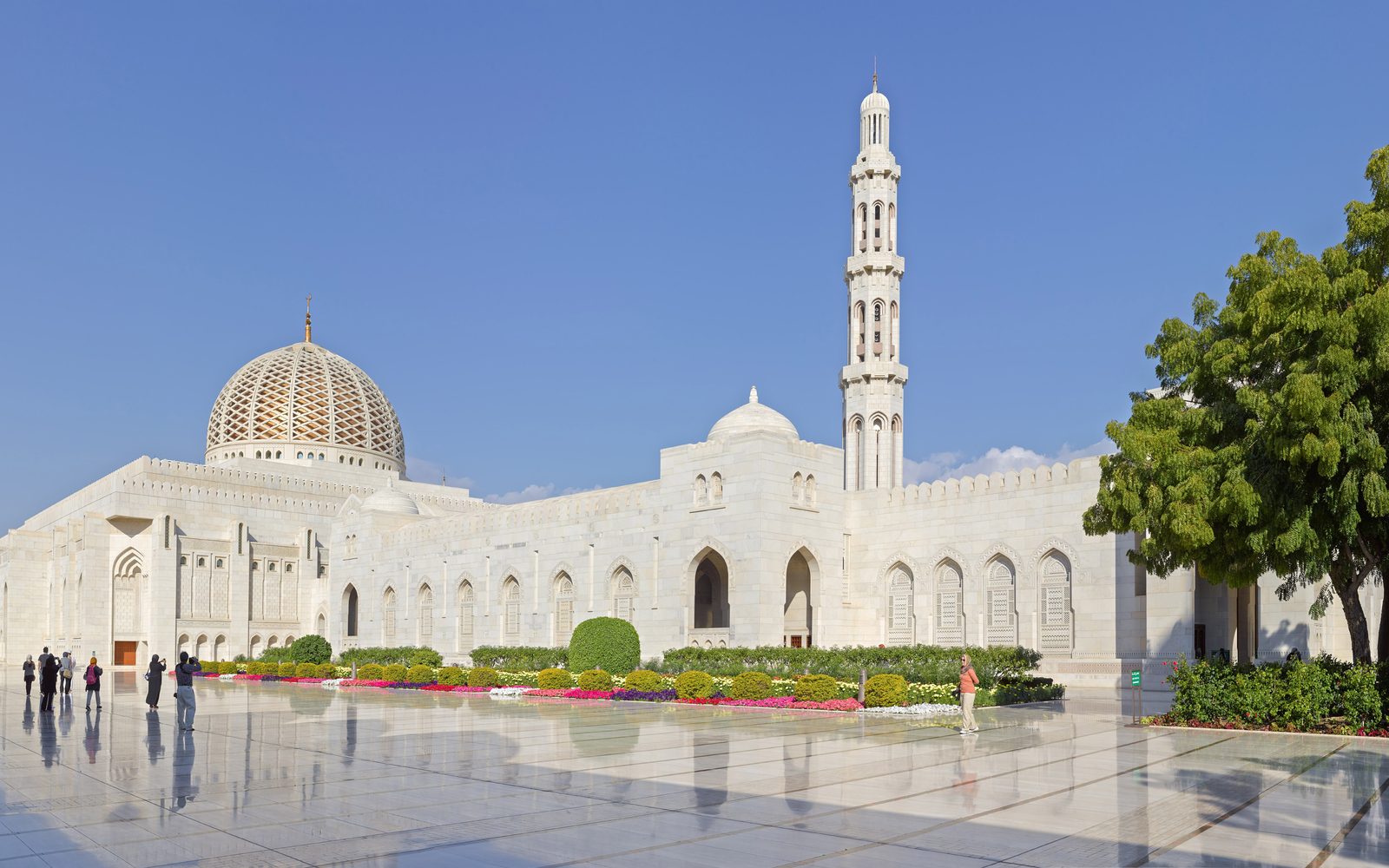
- Muscat, the capital, is low-rise and dignified rather than showy. The Sultan Qaboos Grand Mosque, the Royal Opera House, and the lantern-lit lanes of Muttrah Souq set the tone: this is a place that wears its wealth quietly.
- The Wahiba Sands (Sharqiya Sands) deliver the classic Arabian desert — apricot dunes, Bedouin camps, and some of the finest star-fields you will ever sleep under. Note that many desert camps close through the hottest months, roughly June to September.
- Jebel Akhdar and the Hajar Mountains rise cool and terraced above the plains. In spring the slopes of Jebel Akhdar bloom with damask roses harvested for rosewater — one of the most atmospheric times to be in the highlands.
- The Musandam Peninsula, Oman’s northern exclave, is all sheer cliffs and turquoise inlets, often called the “Norway of Arabia.” Dhow cruises here glide past fishing villages and, if you are lucky, dolphins.
- Salalah and the Dhofar region in the deep south are Oman’s surprise. During the khareef monsoon, roughly June to September, a humid mist turns the normally arid hills a startling green, with waterfalls and coconut groves — a landscape that looks nothing like the rest of the peninsula.
Add the wadis — palm-shaded canyon pools like Wadi Shab and Wadi Bani Khalid — and the turtle nesting beaches at Ras al Jinz, and you have a country that keeps reinventing itself as you drive.
A Suggested Rhythm: Roughly Seven to Ten Days
Oman is best taken as a loop rather than a single base. A comfortable first trip runs about ~7 to ~10 days.
- Days 1 to 2: Ease into Muscat — the Grand Mosque, Muttrah corniche and souq, and a first Omani dinner of shuwa or grilled kingfish.
- Days 3 to 4: Head to the Hajar Mountains and Jebel Akhdar or Nizwa, with its Friday goat market and restored fort. Detour to a wadi for a swim.
- Days 5 to 6: Cross into the Wahiba Sands for a desert camp — dune driving in the afternoon, silence and stars at night, sunrise over the ridgelines.
- Days 7 onward: Either drop down to the coast at Sur and the Ras al Jinz turtle reserve, or, with more time, fly south to Salalah for a completely different Oman.
If you only have a long weekend, pair Muscat with either the desert or the mountains and save the south for a return trip — Salalah genuinely deserves its own visit, especially in khareef season.

For Travellers From India
Oman is one of the easiest big-payoff trips an Indian passport holder can plan.
- Visa: Indian nationals apply online for an Oman e-Visa at the official portal (evisa.rop.gov.om). The common tourist e-Visa allows a stay of up to 30 days and costs around ~USD 20, with processing typically ~3 to 5 business days. You will need a passport valid at least six months with two blank pages, plus proof of accommodation and confirmed return flights. Separately, travellers holding a valid, used visa or residence permit from the USA, UK, Canada, Australia, Japan or a Schengen country may qualify for a shorter visa-free entry — check the current rules before you rely on it.
- Flights: This is the quiet superpower of an Oman trip. Muscat is close. Mumbai to Muscat is roughly ~2h 45m nonstop; Delhi to Muscat is under ~4 hours. The route is served frequently by carriers including Air India, Air India Express, IndiGo, Oman Air and Salam Air, with multiple daily departures from major Indian metros.
- Best time to go: Aim for October to March, when daytime temperatures across most of the country sit in a pleasant ~20 to ~30 degrees Celsius. Spring is lovely in the mountains for the rose bloom. If your target is Salalah, invert the logic and go in the June to September khareef window, when the south turns green while the rest of Oman bakes.
- Food: Expect fragrant, unfussy cooking — shuwa (slow-cooked spiced meat), majboos rice, fresh seafood, dates and cardamom coffee. Indian travellers will find familiar spices and plenty of vegetarian-friendly options, especially in Muscat.
- Connectivity and practicalities: Local SIM and eSIM options are easy to pick up, and English is widely spoken alongside Arabic. The currency is the Omani rial, one of the world’s strongest, so budget with that in mind. Oman is famously safe, calm and courteous — dress modestly at religious sites and you will be warmly received.
Planning It Well
Oman’s charm is also its complication: the best of it is spread out, and the difference between a good trip and a great one is sequencing. Getting the season right for your chosen region, timing the desert around camp closures, pairing self-drive stretches with the right guided experiences, and deciding whether Salalah earns a domestic flight — these are the calls that make the itinerary sing. It is a country that quietly rewards a plan built around your pace rather than a checklist.
Let Tripcuro Plan Your Oman Trip
Tripcuro designs your Oman journey end to end, matching the season to the regions you most want to see and weaving desert camps, mountain villages and empty coastline into one seamless route. We handle the e-visa guidance, the right flights from your city, and the on-ground logistics so every day feels effortless. Tell us how you like to travel, and we will craft a bespoke itinerary that fits you precisely.