
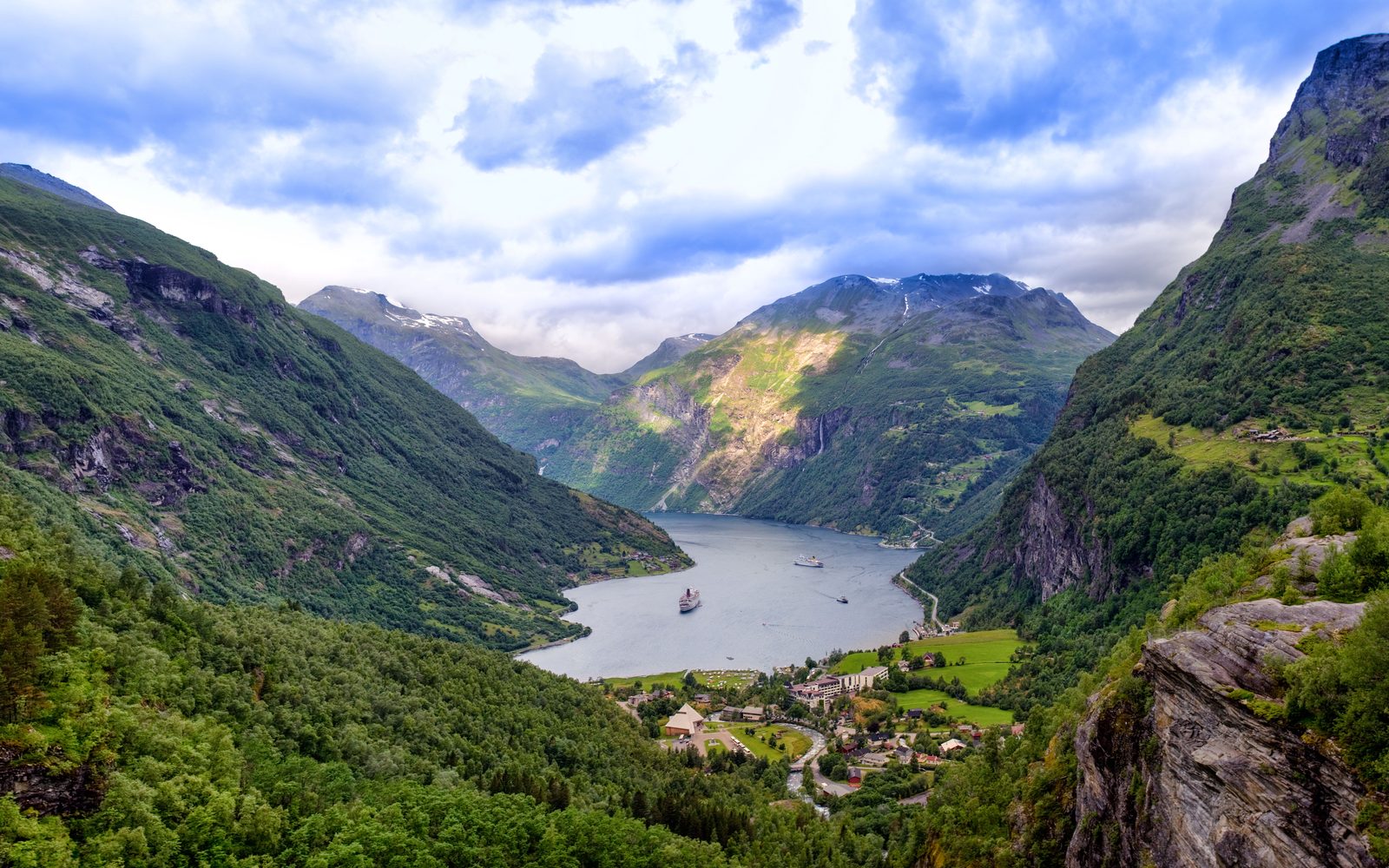
There is a particular kind of quiet you only find in a Norwegian fjord: the engine of the boat cuts, a waterfall thunders somewhere out of sight, and a thousand-metre cliff simply falls into still black water. Norway has always traded in this scale of beauty, but 2026 is a rare moment to see it at full voltage, with the aurora at a decade high, the midnight sun burning through July nights, and some of the world’s most scenic railways doing the driving for you. Here is how to think about a Norway trip this year, and how to plan it so the logistics never get in the way of the view.
Why Norway is having a moment in 2026
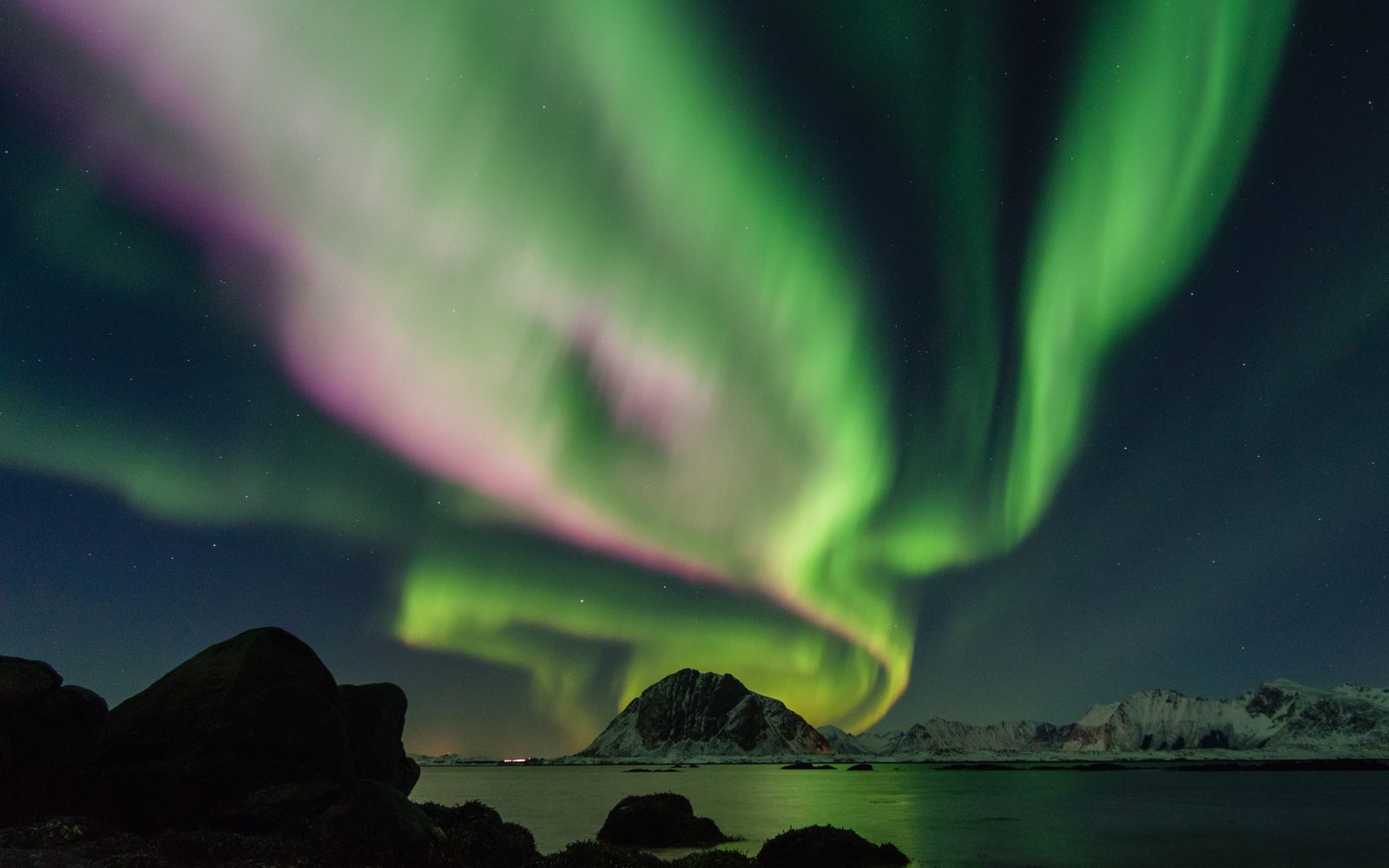
The headline reason is written in the sky. The sun runs on an ~11-year activity cycle, and its recent peak has pushed aurora displays to their strongest in over a decade. Because these elevated conditions tend to hold for a few years after the peak, the winters of 2026 are widely regarded as some of the best Northern Lights years in a generation, especially across Arctic Norway around Tromsø, the Lofoten Islands and Alta.
There is more to it than the lights. Norway has leaned hard into slow, low-impact travel, and its fjord region is increasingly geared toward small ships, electric ferries and rail-and-cruise combinations that reach narrow inlets big cruise liners cannot. New museum openings and cultural events are landing across Oslo and Bergen this year, and word has spread among Indian travellers that Norway delivers something the more obvious European destinations do not: genuine wilderness, clean air, and long, luminous days.
The signature experiences and regions
Norway rewards travellers who pick a couple of regions and go deep rather than racing the whole coast. A few stand out.
- The Western Fjords. This is the postcard Norway: the UNESCO-listed Nærøyfjord and Geirangerfjord, the fjord village of Flåm, and Bergen, the colourful, rain-washed gateway city with its old Hanseatic wharf. Base yourself here for waterfalls, cliff hikes and glassy morning cruises.
- Arctic Norway. Tromsø is the great aurora hub, a lively university town with a serious food scene, backed by mountains and reachable from Oslo by a short domestic flight. The Lofoten Islands, further out, offer red fishing cabins, granite peaks and beaches that look tropical until you feel the water.
- Oslo. Norway’s capital has quietly become one of Europe’s most interesting design cities, with a reinvented waterfront, the Munch museum and the new National Museum. It is where most Indian itineraries begin and end.
The connective tissue between these is what makes Norway special: the slow trains. The Bergen Railway crosses Northern Europe’s highest mountain plateau on its way from Oslo to Bergen, and the Flåm Railway, ~20 km of spiralling track through 20 tunnels, drops from the mountains at Myrdal down to the fjord at Flåm in about an hour. Lonely Planet once named it the world’s best train journey. Stitched together with a fjord cruise, these form the classic self-guided Norway in a Nutshell route, which you can run in either direction between Oslo and Bergen.
The midnight sun versus the Northern Lights
Norway effectively offers two completely different countries depending on when you come, and you cannot have both on one trip.
Come in summer for the midnight sun. From roughly late May to late July, the sun never fully sets in the Arctic north. Hiking at midnight, kayaking at 2 am, endless golden light on the fjords, and every attraction keeping longer hours. It is the warmest, greenest, most alive version of Norway, and the peak season for the fjords.
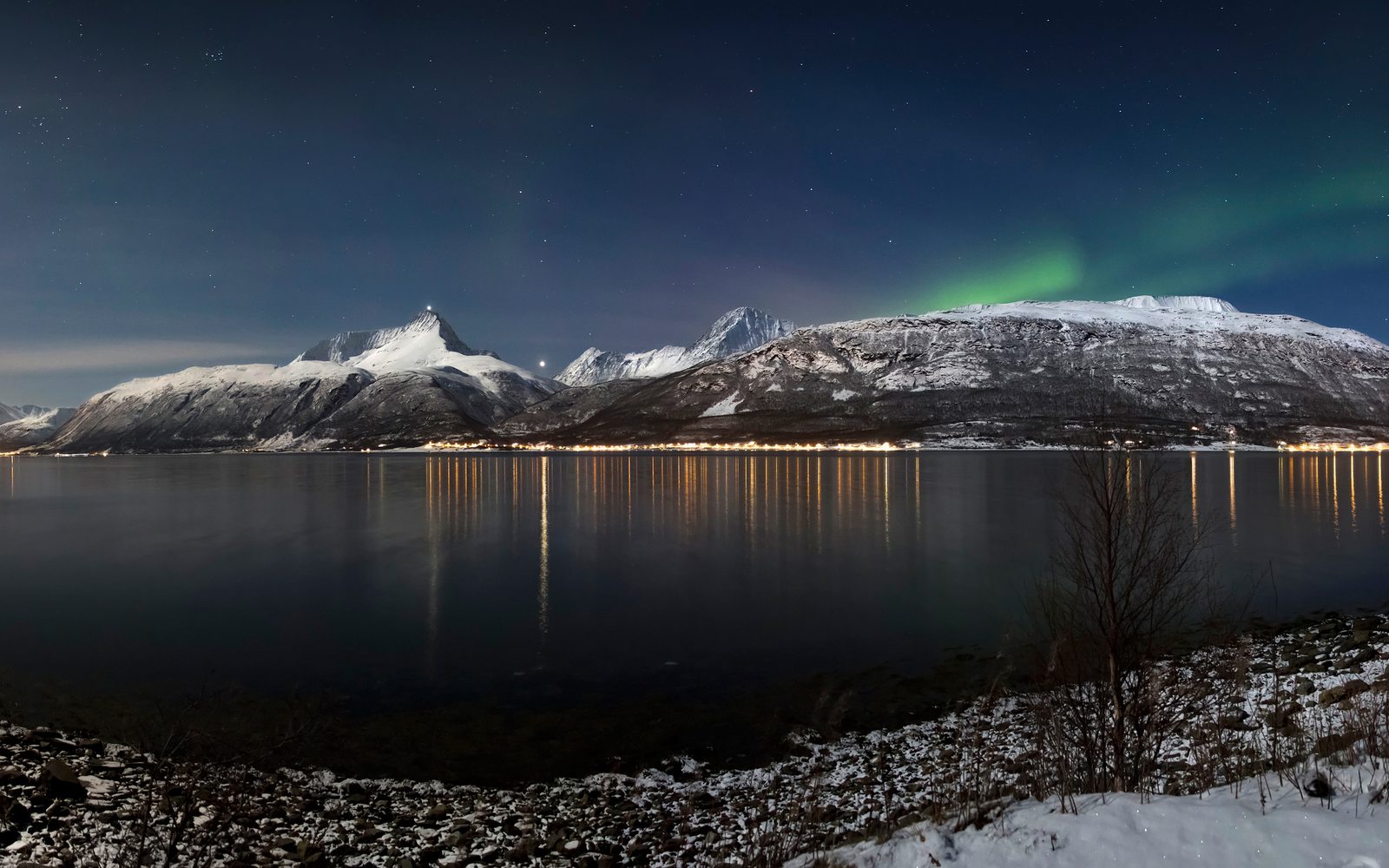
Come in winter for the aurora. The Northern Lights are visible in the far north from roughly late September to late March, when the nights are dark enough. This is the season to base in Tromsø or Lofoten, chase clear skies, and pair the lights with dog-sledding, whale-watching and Sami culture. With 2026’s heightened solar activity, this year’s aurora odds are exceptional.
A rough rule: if you want warmth, long days and fjord hikes, go June or July; if you want the lights and Arctic winter, go late September through March.
A suggested rhythm for ~10 days
You want to arrive, decompress, and let the trains and boats set the pace. A comfortable ~10-day fjords-focused flow looks like this.
- Days 1-2, Oslo. Recover from the flight, walk the waterfront, ease into the time zone.
- Days 3-4, Oslo to the fjords by rail. Take the Bergen Railway and the Flåm Railway, cruise the Nærøyfjord, and overnight in Flåm or Voss.
- Days 5-6, Bergen. The Hanseatic wharf, the funicular up Mount Fløyen, seafood at the fish market, and day trips to nearby fjords.
- Days 7-9, Arctic Norway. Fly to Tromsø or Lofoten. In summer, hike under the midnight sun; in winter, chase the aurora and add dog-sledding or a whale safari.
- Day 10, return via Oslo. Buffer a night in Oslo before the long flight home so a delayed domestic leg never threatens your international connection.
If you only have ~7 days, drop the Arctic leg and do Oslo, the Nutshell route and Bergen properly rather than rushing north.
For travellers from India
Visa. Indian passport holders need a Schengen Type C (short-stay) visa, which allows up to 90 days in any 180-day period. Norway processes these through VFS Global and the Norwegian immigration authority (UDI). Budget the standard ~EUR 80 visa fee and around ~15 working days of processing, and apply well ahead of peak season. You will need travel insurance covering at least EUR 30,000, proof of funds of around NOK 500 per day, confirmed flights and accommodation, and a passport valid for at least three months beyond your stay. One clarification worth knowing: the new ETIAS authorisation does not apply to Indian travellers, since you already hold a full visa.
The new border system. Since April 2026, the EU’s Entry/Exit System (EES) has been fully live. On your first entry you will give fingerprints and a facial photo instead of an ink stamp, valid for three years. It is straightforward, but queues at busy entry points have been longer during the rollout, so arrive at the airport with time to spare, especially in peak season.
Flights. There are no direct flights from India to Norway, so expect one connection. From Delhi or Mumbai, the smoothest routings go via a Middle East hub (Doha, Dubai, Abu Dhabi) or a European hub (Helsinki, Frankfurt, Istanbul) into Oslo. Reckon on ~13 to 16 hours of flying plus your layover.
Best time to go. June-July for the midnight sun and fjords; late September to March for the aurora. Both are peak in their own way, so book trains, cabins and aurora tours early.
Food and connectivity. Norway is expensive, and eating out adds up fast, so mix restaurant meals with supermarket picnics on the trains and boats. Vegetarian and Indian food is easy to find in Oslo, Bergen and Tromsø, though rarer in remote villages, so carry a few staples if you are particular. Connectivity is excellent: 4G and 5G reach even remote fjords, and an eSIM bought before you fly saves the hassle of hunting for a local SIM on arrival.
Planning it so it feels effortless
Norway is not a destination to improvise. The best trains, the small-ship cruises and the aurora tours sell out, cabins in Lofoten book months ahead, and a single missed rail connection can unravel a tight itinerary. The reward for planning is enormous: a trip where every train pulls in on time, every fjord view arrives unhurried, and the only thing left to do is look up. Get the sequence right, leave buffers around your flights, and choose your season with intent, and Norway in 2026 delivers one of the great trips of a lifetime.
Let Tripcuro Plan Your Norway Trip
At Tripcuro we design your Norway journey end to end, matching the season to whether you are chasing the midnight sun or the Northern Lights and sequencing every train, fjord cruise and Arctic night so nothing is left to chance. We handle the Schengen visa paperwork, the flight routing from India and the hard-to-book cabins and tours, then hand you a calm, considered itinerary. All you do is show up and look at the view.