
Some countries you visit for the sights. Nepal you visit for the scale of things, the way an entire mountain range fills a windscreen on the drive out of Kathmandu, the way a medieval square is still someone’s daily commute. In 2026, after a turbulent year, the country has steadied and reopened, and the trails, temples and tea houses are quietly back to their best.
This is the year to go before the crowds fully return. Nepal came within a whisker of its all-time visitor record in 2025, then a hard autumn reset the numbers. What is left is a rare window: a Himalayan season at full strength, hotels and lodges eager for guests, and a country that has just made itself markedly easier and cheaper for Indian travellers to reach and spend in.
Why Nepal is having its moment in 2026
The headline is recovery. Nepal finished 2025 just 38,732 arrivals short of its pre-pandemic 2019 peak, reaching 96.8 per cent of that benchmark, and October alone drew a record 128,443 visitors as the autumn trekking season peaked. India remained the single largest source market with 292,438 arrivals, more than a quarter of all foreign visitors. Travellers are also staying longer, with the average trip stretching to 8.2 days in 2025, up from 6.4 the year before, a sign that people are venturing well beyond Kathmandu.
Then came the shocks. A youth-led anti-corruption uprising in September 2025, the deadliest unrest in decades, brought down the government and briefly halted the tourist flow, with arrivals falling around 30 per cent that month. A new government was installed on 27 March 2026, and the Nepal Tourism Board has since gone out with a plain message: the country is safe, stable and open, hotels in Kathmandu and Pokhara are running, and the Annapurna and Everest trekking routes are welcoming trekkers again. The upshot for a 2026 traveller is unusual value and space on trails normally shoulder to shoulder in October. There is a longer-term story too: the long-delayed Pokhara International Airport, opened in 2023, is finally inching towards regular international service, with Flydubai due to begin daily Dubai to Pokhara flights from 23 September 2026, the first scheduled daily international service into Nepal’s lakeside capital.
The signature experiences worth building a trip around
Nepal packs an improbable range into a small country, from tiger-grass jungle to 8,000-metre peaks. A handful of places do the heavy lifting on a first trip:
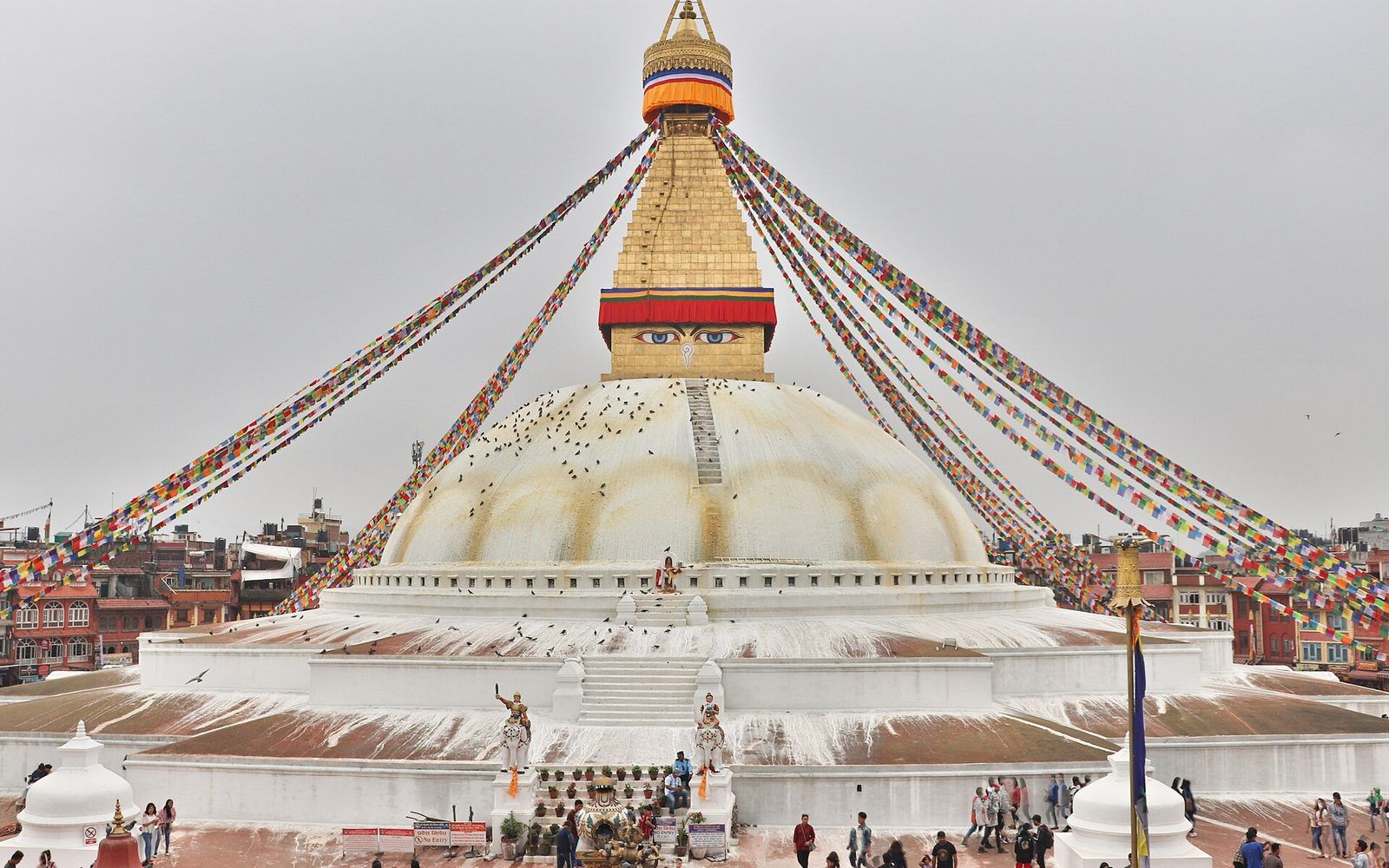
- The Kathmandu Valley is where the country’s living heritage is densest. Three old royal cities, Kathmandu, Patan and Bhaktapur, sit within an hour of each other, each with a Durbar Square of pagoda temples and carved courtyards. Patan is the city of fine metalwork and stone carving, while Bhaktapur’s brick-paved lanes feel like a medieval Himalayan town preserved intact. Above the valley, the Boudhanath and Swayambhunath stupas and the two great squares are all UNESCO World Heritage sites.
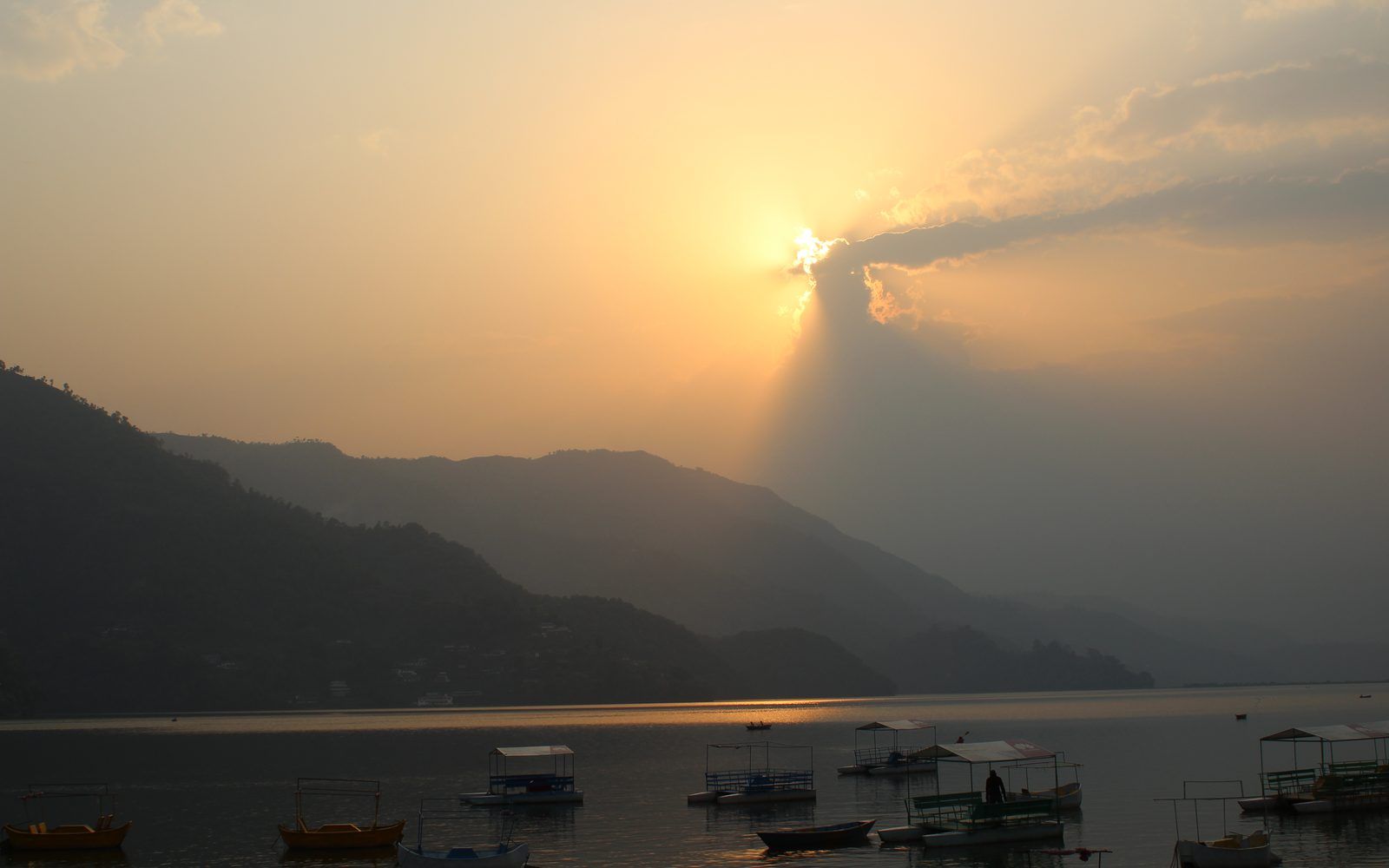
- Pokhara and the Annapurna region are Nepal at its most beguiling: a lakeside town under a wall of snow peaks, and the gateway to some of the world’s great treks. The Annapurna Base Camp and Annapurna Circuit routes reward a week or two on foot with rhododendron forest, terraced villages and the amphitheatre of peaks around the sanctuary.
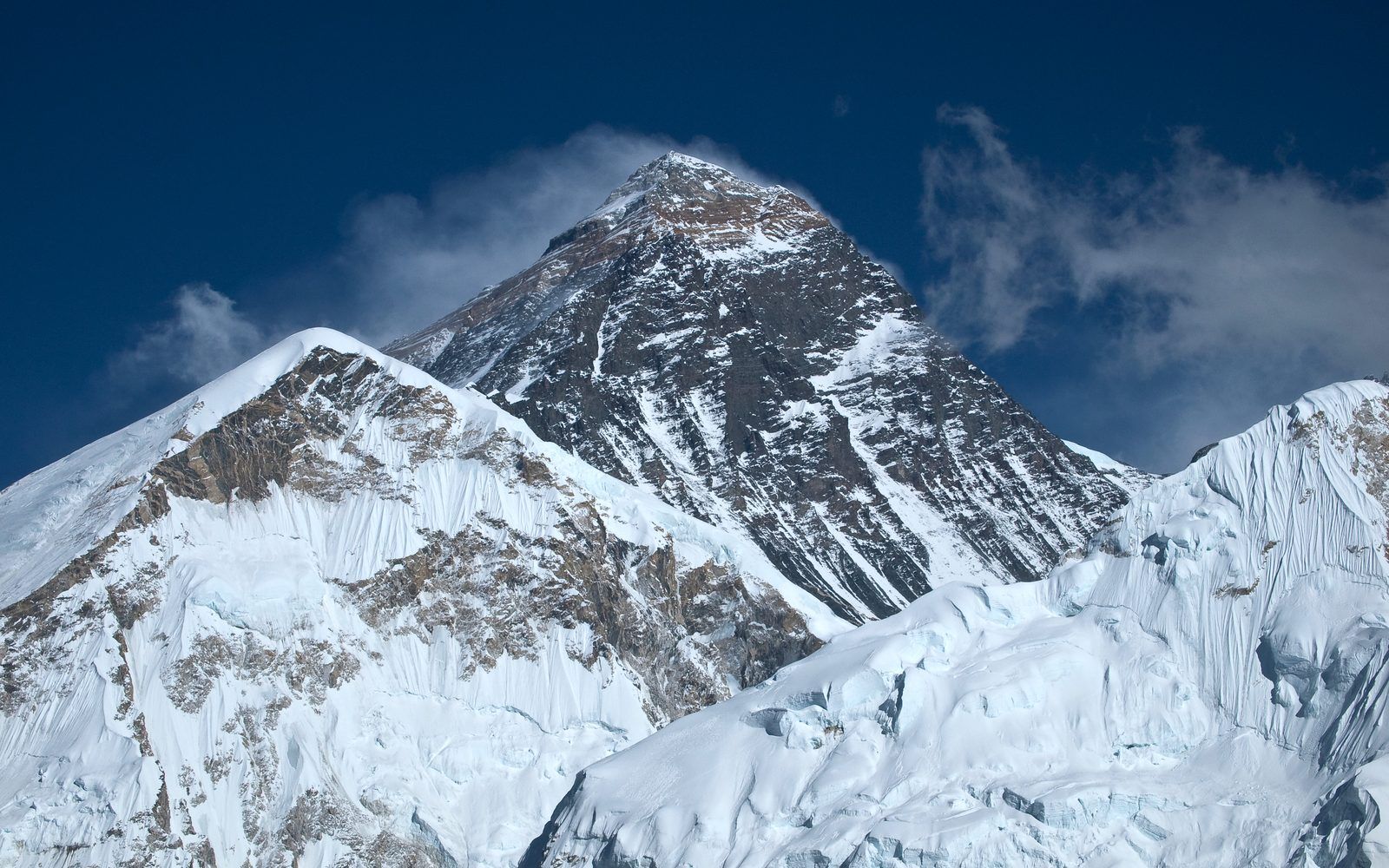
- The Everest region needs no introduction. The classic Everest Base Camp trek out of Lukla is the pilgrimage, but even a shorter Khumbu itinerary delivers Sherpa villages, monasteries and the sight of the highest mountain on earth.
- Chitwan National Park, in the lowland Terai, is Nepal’s first national park and a UNESCO site, established in 1973 to protect the one-horned rhinoceros, the Bengal tiger and the gharial crocodile. Jeep safaris, canoe trips on the Rapti River and jungle walks make it a fine counterweight to the mountains.
- Lumbini, out west, is the birthplace of Siddhartha Gautama, the Buddha, and one of the most significant pilgrimage sites in the Buddhist world, a serene sprawl of monasteries built by nations across Asia.
A rhythm for a first trip
The classic mistake is to treat Nepal as a checklist and end up spending it all in transit. A better first trip runs about 9 to 12 days and lets the country’s contrasts breathe.
- Days 1 to 3, the Kathmandu Valley. Ease in among the temples and squares of Kathmandu, Patan and Bhaktapur, and let the altitude and the pace settle you before you go higher.
- Days 4 to 7, Pokhara and the mountains. Base by the lake and either take a short, achievable Annapurna-region trek or simply drink in the peaks, the paragliding and the sunrise from Sarangkot. Trekkers with more time can commit to the full Annapurna Base Camp route here.
- Days 8 to 10, a change of altitude. Drop south to Chitwan for a couple of days of safari, or route via Lumbini for the Buddhist heartland, before circling back.
The connective tissue is the drive and the short domestic hop, and knowing which legs are worth flying rather than enduring on the road is half the art of a good Nepal itinerary.
For Travellers From India
Visa. Indians need no visa for Nepal, for any purpose, tourism, pilgrimage, family or business, thanks to the 1950 Indo-Nepal Treaty of Peace and Friendship, which allows free movement between the two countries. You do, however, need to prove Indian nationality: a valid passport or a Voter ID card issued by the Election Commission is the accepted document, and a passport is strongly recommended if you are flying in, since airlines and Kathmandu immigration expect it. Note that an Aadhaar card alone is not accepted for adults aged 15 to 65; minors can use a birth certificate or school ID when travelling with parents.
Getting there. This is one of the easiest international hops from India. Delhi to Kathmandu is a direct flight of roughly 1 hour 40 minutes, with around 13 daily departures as of mid-2026 across Air India, IndiGo and Nepal Airlines, and fares that often start near ₹5,000 to ₹8,000 one way when booked ahead. Mumbai, Bengaluru and other metros also connect, and the overland route via the open border, crossing at points such as Sunauli or Raxaul, remains a budget-friendly option for those who prefer to travel by road.
When to go. The two prime windows are autumn, roughly late September to November, and spring, March to May. Autumn brings the clearest post-monsoon skies and the best mountain visibility, which is why October is the single busiest and most rewarding trekking month; early November thins the crowds while the weather holds. Spring trades a little haze for warmer days and hillsides of blooming rhododendron. Avoid the June to August monsoon for high trekking, and expect real cold at altitude from December onwards.
Money, food and connectivity. A significant change landed in December 2025: after nearly a decade, Nepal moved to lift its ban on higher-value Indian notes, allowing travellers to carry ₹200 and ₹500 notes up to a total of ₹25,000 per person in either direction. Even so, carry a mix of smaller notes and use ATMs and cards, as acceptance of large Indian denominations can still be patchy on the ground. Food is a comfort for Indian palates, with dal bhat, momos and Newari cuisine everywhere and vegetarian options the norm. Pick up a local SIM or an eSIM on arrival; connectivity is good in the cities and lakeside towns and thins out, as you would expect, high on the trails.
Exclusive Hotel Deals
Through our partnerships with luxury hotel programs, we can offer exclusive perks at 2+ properties in Nepal:
The Dwarika’s Hotel (5-star, Kathmandu)
- Early Check-In, Late Check-Out (subject to availability)
- Room Upgrade (subject to availability)
- Pancha Kosha Spa Amenities
- 100 USD spa credit per stay
The Dwarika’s Resort (5-star, Dhulikhel)
- Early Check-In, Late Check-Out (subject to availability)
- Room Upgrade (subject to availability)
- 50-minute massage for two (once during the stay)
- Panchakosha Spa Amenities
Planning it well
Nepal is famously welcoming and genuinely tricky to sequence well. The gap between a good trip and a great one lies in the joins: which trek matches your fitness and your dates, when a short domestic flight beats a long mountain road, which valley days to keep gentle for altitude, and how to pair the peaks with the jungle or the Buddhist plains without doubling back. In a 2026 that is calm again and quieter than usual, that judgement is the difference between a rushed highlight reel and the trip you will keep talking about. Go this year, go at the right season, and let someone who knows the ground handle the rest.
Let Tripcuro Plan Your Nepal Trip
Tripcuro designs your Nepal journey end to end, from the right flights out of your city to a route that balances the Kathmandu Valley’s heritage, the Annapurna and Everest trails, and the wildlife of Chitwan. We match the season to your dates, secure the mountain lodges and heritage hotels worth the splurge, and handle every domestic hop and transfer so the whole trip simply flows. Tell us how you like to travel, and we will build a bespoke itinerary around it.