
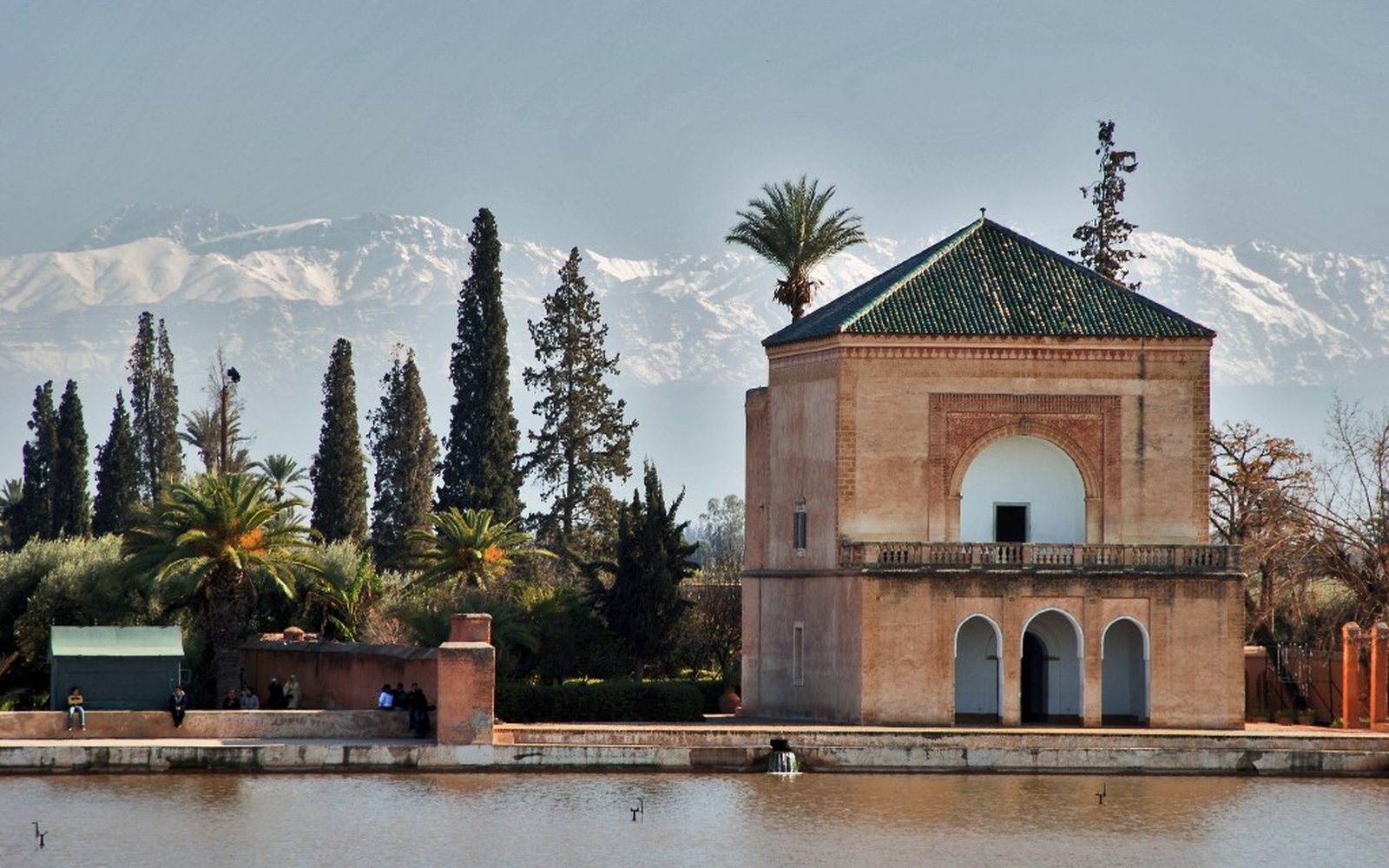
Few countries pack so much contrast into a single trip as Morocco: a labyrinthine medina at dawn, a snow-tipped mountain pass by noon, and a silent sea of dunes by nightfall. In 2026 the country is having a genuine moment, and the classic loop through Marrakech, the Atlas Mountains and the Sahara has never been easier to plan well. Here is how to read the moment and shape it into a trip that feels made for you.
Why Morocco is having its moment in 2026
Morocco is quietly rewriting its tourism records. The country welcomed roughly 7.7 million visitors in just the first five months of 2026, and its national ambition is to reach around 20 million arrivals by the end of the year. That momentum is not accidental. Ahead of co-hosting the 2030 FIFA World Cup alongside Spain and Portugal, Morocco has been expanding airport capacity and opening new direct routes into cities beyond Casablanca, including Marrakech, Fez, Tangier and Agadir.
Two things make this relevant for travellers rather than just headlines. First, the investment means smoother arrivals, better roads into the mountains and desert, and a wider spread of quality riads and lodges. Second, the country is still early enough in its boom that the signature experiences retain their soul. You can feel the shift in energy without the destination feeling worn out. For a discerning traveller, that window, after the infrastructure has matured but before the crowds fully catch up, is exactly when a place is worth visiting.
The signature trio: Marrakech, the Atlas and the Sahara
Most first Morocco trips are built around three anchors, and for good reason. Together they deliver the country’s full emotional range in a week or so.
- Marrakech is the gateway and the sensory overture. Lose an afternoon in the UNESCO-listed medina, haggle gently through the souks, and time your evening for Jemaa el-Fnaa, the great square that shifts from fresh-juice carts by day to a theatre of food stalls, musicians and storytellers after dark. Base yourself in a restored riad, a courtyard house that trades street noise for a fountain and a rooftop, and the city softens immediately.
- The Atlas Mountains are the antidote to the city’s intensity. An hour or two out of Marrakech, the pace slows to the rhythm of Berber village life. Imlil is the launch point for treks toward Mount Toubkal, North Africa’s highest peak, while the Ourika Valley and Ouirgane offer gentler walks past terraced fields, walnut groves and waterfalls, ideal even if you are not a serious hiker.
- The Sahara is the payoff. The drive east crosses cinematic terrain, including the fortified kasbah of Ait Ben Haddou, before delivering you to the towering dunes of Erg Chebbi near Merzouga. A camel ride to a desert camp, dinner under a sky thick with stars, and sunrise over the sand is the memory most people carry home.
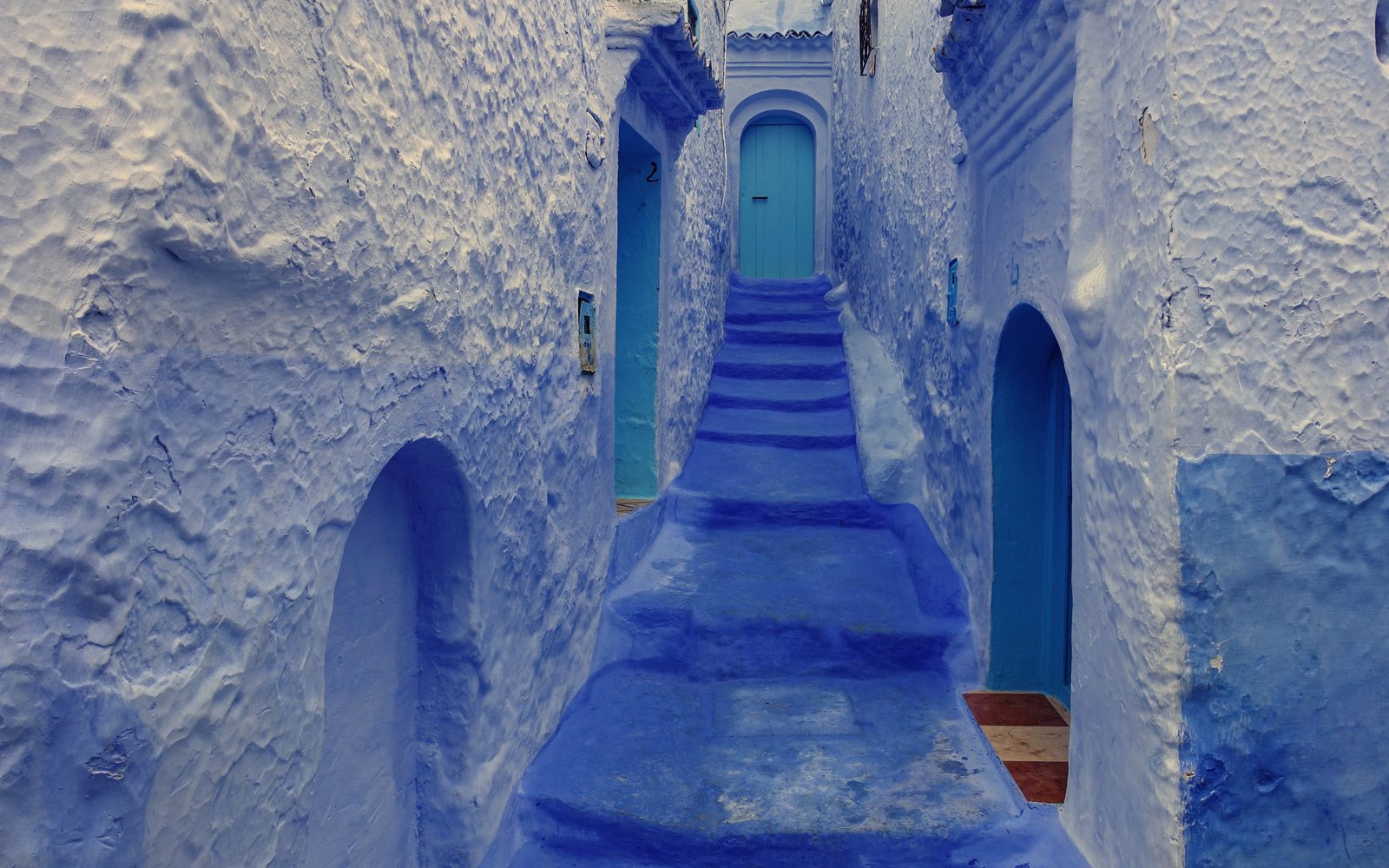
If you have extra days, add Fez, arguably the most complete medieval medina in the Arab world, or the blue-washed lanes of Chefchaouen tucked into the Rif Mountains further north.
A suggested rhythm for the trip
Morocco rewards a route that builds gradually from city buzz to desert stillness. A comfortable first visit runs to about ~7 to 10 days, enough to move without feeling rushed by the long desert drives.
A natural flow looks like this:
- Days 1 to 3, Marrakech. Settle into a riad, explore the medina and gardens, and let jet lag ease before the road days begin.
- Days 4 to 5, into the Atlas. Trade the city for mountain air, a village lunch and a short trek, staying overnight in Imlil or the Ourika Valley.
- Days 6 to 8, to the Sahara. A two-day overland journey east through the Dades or Draa valleys, with a night in the dunes at Erg Chebbi as the centrepiece.
- Days 9 to 10, Fez or a slow return. Loop up to Fez to close on a cultural high, or wind back to Marrakech at an unhurried pace.
The one thing to respect is driving distance. The desert is a real haul from Marrakech, so build in the overnight stops rather than attempting it in a single push.

For travellers from India
Visa. Indian passport holders need a visa, and Morocco now runs an e-Visa open to Indian nationals for tourism. You apply online, upload a scan of your passport bio-page and a photo, and receive an approved PDF by email, no third-country visa required first. Processing is typically a few business days on the standard track. Your passport must be valid for at least six months from your date of arrival, and the tourist stay is around ~30 days, extendable once locally up to a maximum of ~60. Check the official Moroccan e-Visa portal for current fees and confirm details close to travel, as requirements can change.
Getting there. There are no non-stop flights between India and Morocco, so plan on one stop. The cleanest routings connect through the Gulf (Abu Dhabi is common) or via a European hub such as Paris or Amsterdam. From Delhi, expect roughly ~13 to 14 hours of total travel to Marrakech or Casablanca on a good connection; from Mumbai it typically runs longer. Casablanca (CMN) is the main long-haul gateway, though flying into Marrakech (RAK) directly can save a domestic leg.
When to go. Aim for spring (mid-March to May) or autumn (September to October). Both give mild days for the medinas and mountains and bearable desert temperatures. Summer in the Sahara is punishing, and high mountain passes can see snow in deep winter.
Food and connectivity. Moroccan cuisine is a highlight in its own right: tagines, couscous, harira soup, fresh bread and mint tea. Vegetarians are well served, as many tagines and salads are plant-based, though it helps to confirm no meat stock is used. Alcohol is available but low-key. Grab a local SIM or eSIM (Maroc Telecom, Orange and inwi are the main networks) on arrival for reliable, affordable data across cities and most routes.
Planning it so it feels effortless
Morocco is easy to fall in love with and surprisingly easy to get slightly wrong. The long transfers, the choice of which riad genuinely suits you, the difference between a generic desert camp and one that feels magical, and the pacing between city, mountain and dune, are exactly the details that separate a good trip from an unforgettable one. Independent travel is possible, but a well-designed route, trusted drivers and the right places to sleep make an outsized difference here.
That is where a bespoke approach earns its keep. Rather than stitching together bookings and hoping the timings hold, the smarter move is to let the whole loop, flights, visa guidance, riads, mountain lodges and the desert night, be shaped around how you actually like to travel.
Let Tripcuro Plan Your Morocco Trip
Tripcuro designs your Morocco journey end to end, from the right riad in Marrakech to a mountain lodge in the Atlas and a starlit camp in the Sahara. We handle the pacing, the transfers and the e-Visa guidance so every day is considered and nothing feels rushed. Tell us how you like to travel, and we will build a bespoke itinerary that is entirely yours.