
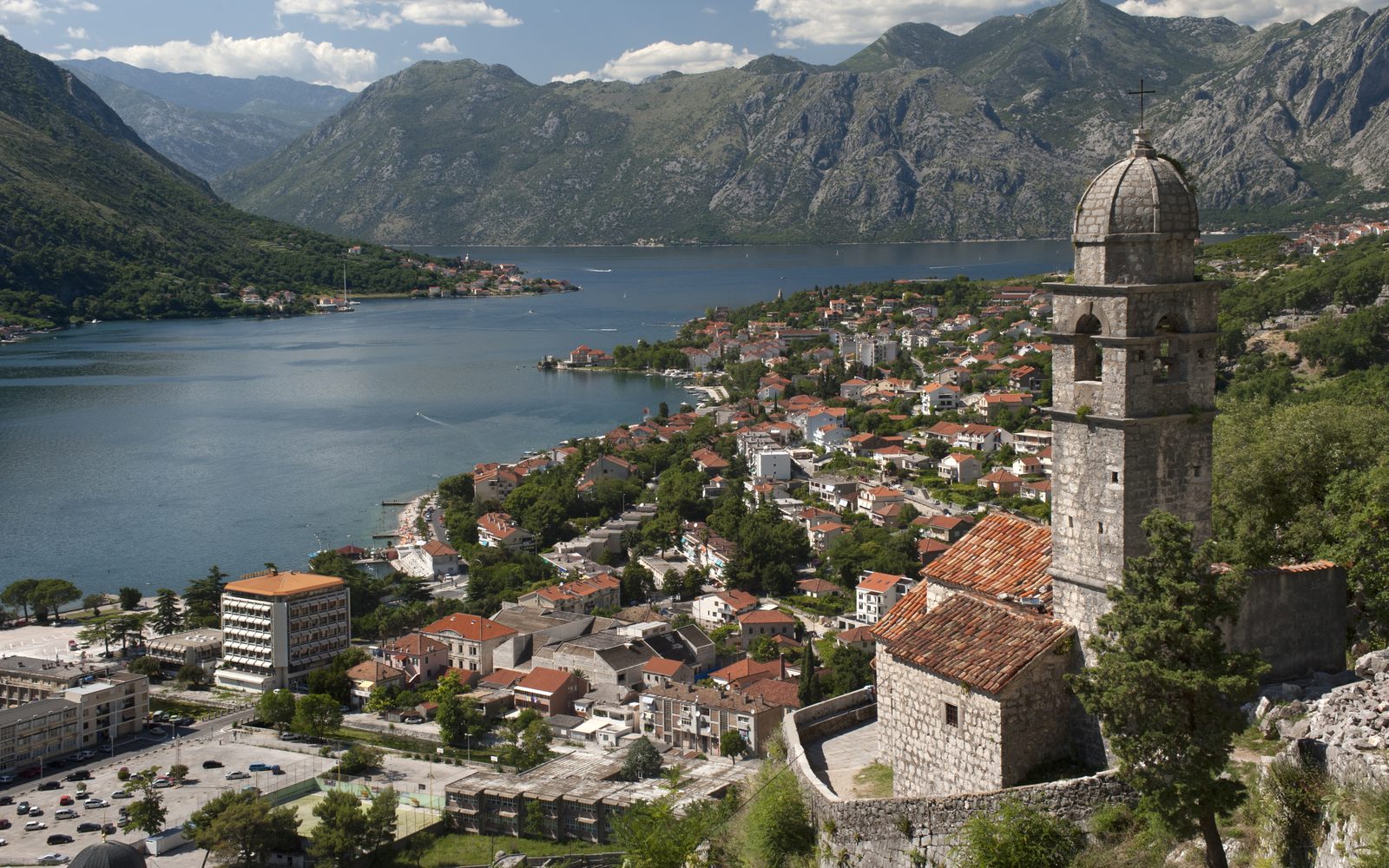
For years Montenegro was the place travellers stumbled into on a day trip from Croatia, snapped the Bay of Kotor, and left. In 2026 that story has flipped. This pocket-sized Balkan country now stands on its own as one of the Adriatic’s most talked-about destinations, and the smartest travellers are looking well beyond that famous bay.
Why Montenegro Is Having Its Moment in 2026
Montenegro has spent the last few years quietly maturing from a fjord-view photo stop into a full-fledged destination, and 2026 is when the momentum shows. International hotel brands are arriving in force this season, from an internationally branded property opening on Budva’s seafront promenade to the much-anticipated Banyan Tree resort transforming the nineteenth-century fortress on Mamula Island into an intimate luxury retreat.
The appeal is easy to understand. Montenegro packs fjord-like bays, medieval stone towns, glacial mountain lakes and 13-kilometre sand beaches into a country you can cross in a few hours. It reads as fresh and uncrowded next to the well-trodden Costa del Sol or Côte d’Azur, and it often costs less for accommodation, dining and activities. There is also a quieter tailwind: Montenegro is targeting EU membership by 2028, with more than a dozen negotiating chapters already provisionally closed as of mid-2026. A country on the cusp of that shift is exactly the kind of place worth visiting before it becomes everyone’s obvious answer.
One practical note that surprises first-timers: Montenegro uses the euro as its everyday currency, despite not being in the Eurozone. No exchange hassle, no unfamiliar notes.
The Signature Experiences, Bay of Kotor and Beyond
The Bay of Kotor still deserves its reputation. Kotor’s walled old town, threaded with lanes and cats and climbing to a fortress high above the water, is genuinely one of the Adriatic’s great sights. But the country’s best days lie further out.
- Durmitor National Park in the north is a different Montenegro entirely: glacial peaks, pine forest and the mirror-still Black Lake, with hiking that ranks among the finest in the Balkans.
- The Tara River Canyon, the deepest in Europe, delivers white-water rafting that is regularly listed among the world’s most dramatic. The season runs roughly April to October, with the wildest rapids at spring snowmelt.
- Lovcen National Park rewards the winding drive up with a mausoleum perched near the summit and views that sweep from the coast to the mountains.
- Skadar Lake, the largest lake in the Balkans, is a birdwatcher’s haven of lily-covered water and hillside vineyards producing some of Montenegro’s best wines.
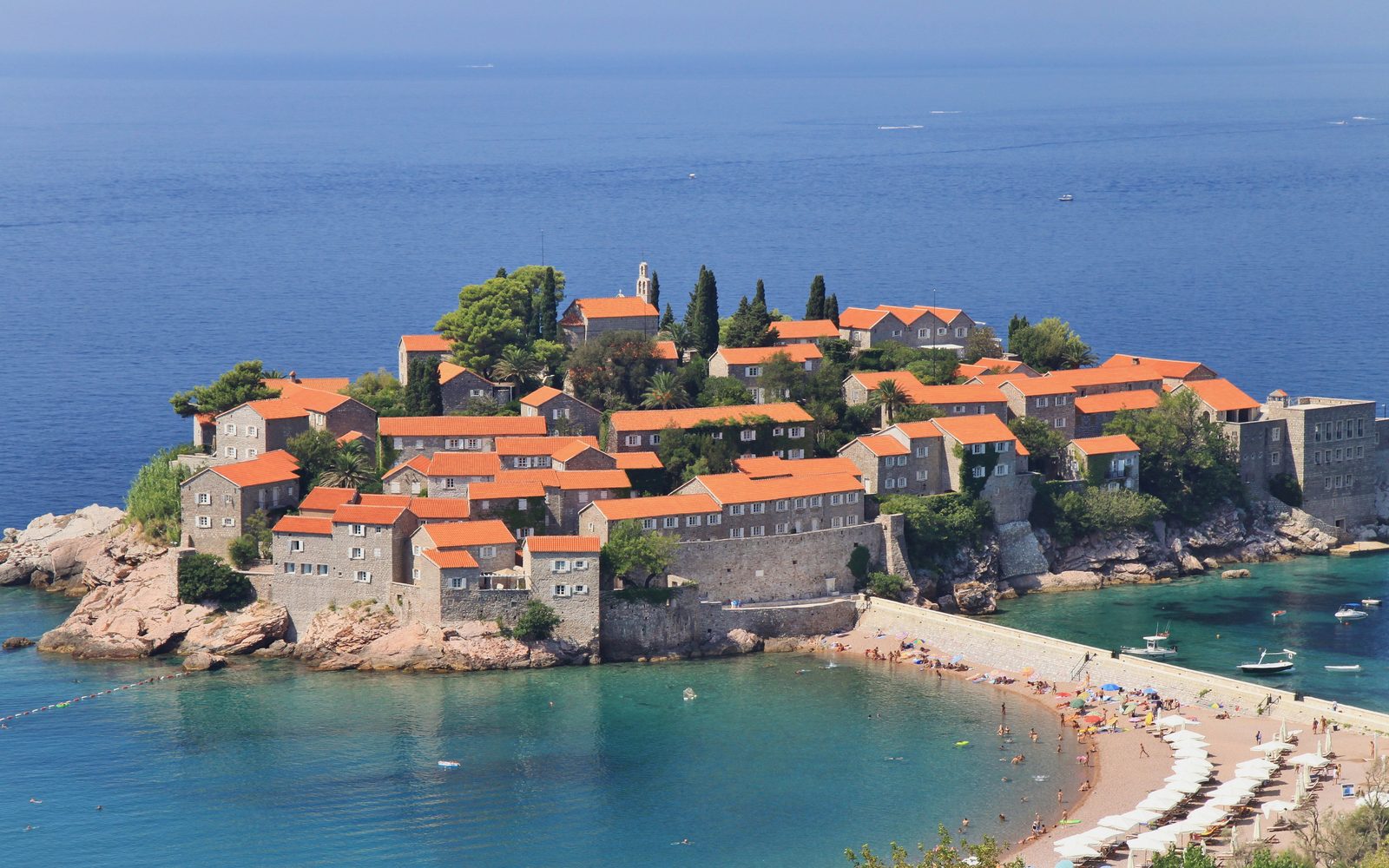
- Sveti Stefan, the islet of terracotta rooftops linked to shore by a causeway, remains the country’s postcard image on the coast.
- Ada Bojana and Ulcinj in the deep south trade the drama of the bay for long sandy beaches, stilted riverside fish restaurants and a laid-back, almost tropical mood.
A Suggested Rhythm for ~7 to 10 Days
Montenegro rewards a slow loop rather than a rushed checklist. A comfortable flow looks something like this.
- Days 1 to 3, the Bay of Kotor. Base in or near Kotor. Walk the walls, take a boat across the bay, and do a half-day into Lovcen for the panorama.
- Days 4 to 5, the coast. Move down to Budva or the Sveti Stefan area for beaches, old-town evenings and a slower pace.
- Days 6 to 7, the mountains. Head north to Durmitor and the Tara Canyon for hiking and rafting, an entirely different landscape and temperature.
- Add days 8 to 10 for Skadar Lake wine country and the southern beaches around Ulcinj and Ada Bojana if you have the time.
Distances are short, but mountain roads are slow and scenic, so build in buffer rather than packing days back to back.

For Travellers From India
Visa. This is the most important thing to plan early. Montenegro does not offer visa-on-arrival or an e-visa to Indian passport holders. You apply in advance, typically through VFS Global in New Delhi or a Montenegrin mission. Standard processing runs around 10 working days but can extend, so apply well ahead. There is one valuable shortcut: if you already hold a valid Schengen, US, UK or Ireland visa or residence permit, you may enter Montenegro for up to 30 days without a separate Montenegrin visa. Many Indian travellers pair Montenegro with a Schengen trip for exactly this reason. Carry a passport valid at least six months beyond your stay, plus travel insurance.
Getting there. There are no direct flights from India. You connect through a European or Gulf hub, most commonly landing at Podgorica (TGD) or the coastal Tivat (TIV). Podgorica holds year-round connectivity via Belgrade, Istanbul and Vienna, and 2026 has brought more frequent low-cost service. Realistically, plan on roughly ~11 to 14 hours of total travel with one stop from the major metros, more from smaller cities.
When to go. Aim for late May and June or September into early October. These shoulder windows give you warm coastal days without the July and August crush and heat, which regularly pushes past 30C on the bay. September is especially lovely once the cruise crowds thin. If skiing or snow-country landscapes appeal, Durmitor and Kolasin run slopes from roughly December to March.
Food and connectivity. Expect a Mediterranean-meets-Balkan table: grilled seafood and fish on the coast, hearty meat, cheese and fresh bread inland, and local wines around Skadar Lake. Vegetarians will find grilled vegetables, salads, cheese pies and bean dishes, though it helps to ask. Cards work in hotels, larger restaurants and coastal businesses, but keep euro cash for taverns, markets, taxis and rural spots. A local or regional eSIM keeps you connected cheaply between towns.
Planning It Well
Montenegro looks simple on a map and is anything but effortless to sequence. The visa timeline, the flight connections, the gap between a summer coast and a snow-dusted north, and the winding roads between them all reward a plan built with local knowledge rather than assembled the night before. Book coastal stays and the marquee new hotels early for peak season, and treat the shoulder months as your secret weapon for space and value. Get the rhythm right and Montenegro delivers the rare thing: a destination that still feels like a discovery.
Let Tripcuro Plan Your Montenegro Trip
Tripcuro designs your Montenegro journey end to end, from the visa strategy and the smartest flight routing out of India to a coast-and-mountains itinerary paced exactly to your taste. We handle the hotels, the drivers on those winding roads, and the standout experiences so every day feels effortless. Tell us how you like to travel and we will build the trip around you.