
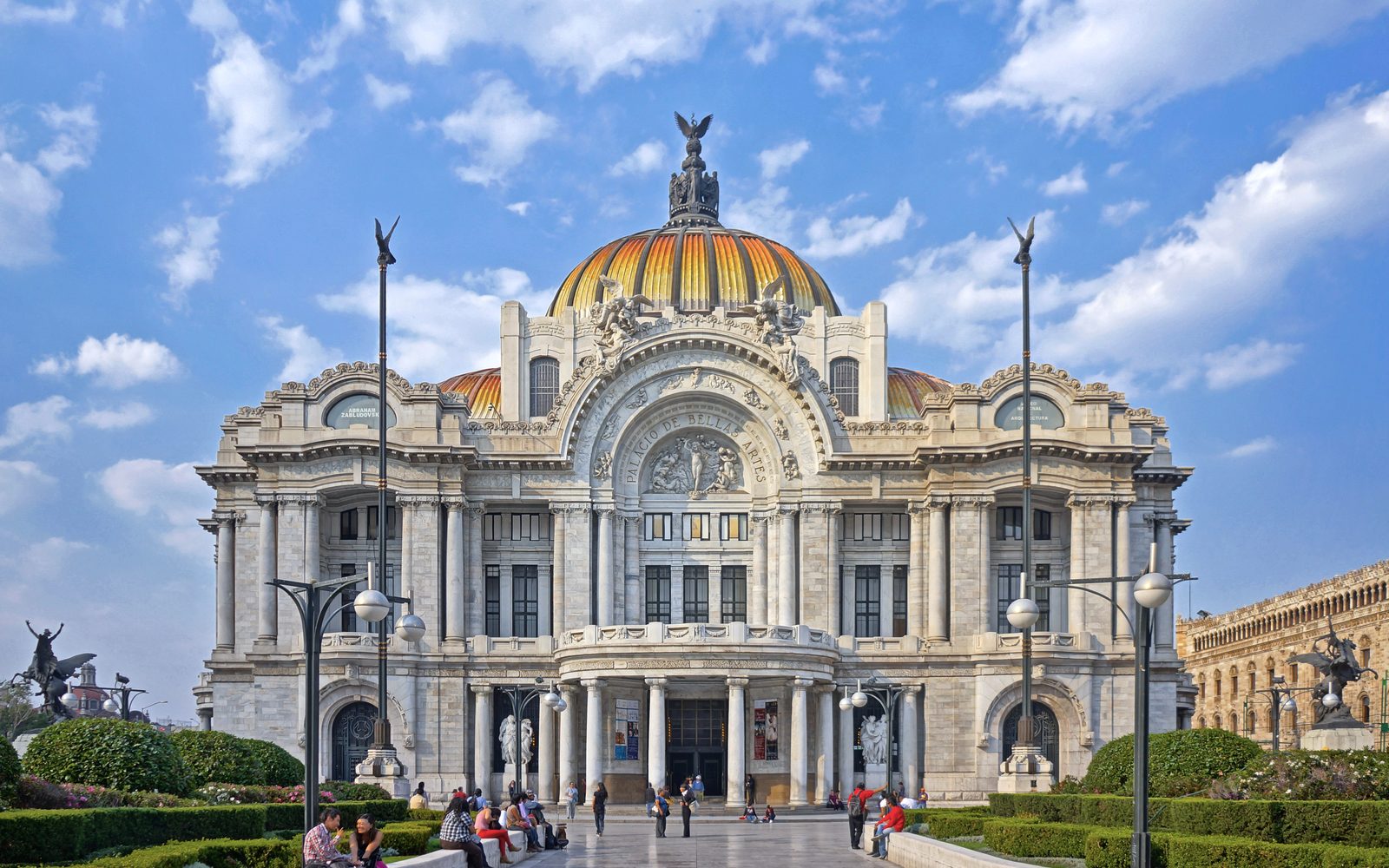
There is a moment, somewhere between a market lunch and a midnight taco, when Mexico City stops being a destination and starts feeling like the centre of the world. In 2026 that feeling is not just yours — the whole travel map has tilted toward the Mexican capital. Here is why it belongs on your radar this year, and how to do it beautifully.
Why Mexico City is the trip of 2026
For years, most travellers filed Mexico under beaches: Cancun, Tulum, a resort and a hammock. In 2026 the story has flipped, and the capital is the reason. Google’s travel-trend data shows searches for the city’s best restaurants at a ten-year high, and “Mexico City street food tour” has become one of the most-searched trip ideas of the year. People are now booking flights around a dinner reservation, not a beach.
Two things converged to make this happen. First, the Michelin Guide arrived in Mexico, and its 2026 selection spotlights roughly 29 starred restaurants across the country, with Mexico City at the heart of it — Pujol and Quintonil among the marquee names, the latter regularly ranked among the World’s 50 Best. Second, Mexico City is a FIFA World Cup 2026 host, with the newly renamed Estadio Banorte (the historic Estadio Azteca) staging the tournament’s opening match on 11 June and, remarkably, becoming the first stadium ever to host three World Cup openers. Add a National Museum of Anthropology that ranks among the finest in the world, and you have a capital firing on culture, cuisine and global attention all at once.

The signature experiences and regions
Mexico City rewards travellers who move through it neighbourhood by neighbourhood. A few define the trip:
- Roma Norte and Condesa — the leafy, walkable heart of the new Mexico City. Roma is a foodie’s playground of family taquerias, mezcal bars and design-forward tasting menus set among belle epoque mansions. Condesa, all art deco curves and jacaranda-shaded parks like Parque Mexico, is where you slow down for coffee and people-watching.
- Centro Historico — the ceremonial core, where the vast Zocalo, the Templo Mayor Aztec ruins and the Palacio de Bellas Artes stack centuries on top of one another. During the World Cup, the Zocalo also hosts the official FIFA Fan Festival.
- Coyoacan and San Angel — cobblestoned, village-like enclaves in the south, home to the Frida Kahlo Museum (the Casa Azul), weekend art markets and some of the city’s most soulful traditional cooking.
- Polanco — the polished uptown district where the anthropology museum, Chapultepec park and the fine-dining heavyweights cluster.
And then there is the food itself, which is the real headline. A single day can run from a market almuerzo to al pastor carved off the spit at a street stand to a Michelin-recognised tasting menu at night. Beyond the famous al pastor, seek out suadero, birria, and the regional dishes that flow into the capital from every corner of Mexico — this is a city that eats the whole country. Many first-timers now use a guided food or mezcal tour on day one to learn the map before exploring solo.
A suggested rhythm: ~5 to 7 days
Mexico City deserves more time than people give it. A relaxed ~7-day flow works well:
- Days 1-2: Base yourself in Roma or Condesa. Walk the neighbourhoods, take a street-food or market tour, ease into the altitude (the city sits above 2,200 metres, so go gently the first day).
- Days 3-4: Centro Historico and Polanco — the Zocalo, Templo Mayor, Bellas Artes, and the National Museum of Anthropology, with one standout dinner booked well ahead.
- Day 5: Coyoacan and San Angel for the Casa Azul, markets and a slower, local pace.
- Day 6: A day trip to the pyramids of Teotihuacan (~1 hour out), ideally a sunrise visit, or the canals of Xochimilco.
- Day 7: Buffer for a long lunch, shopping for artisan crafts, and the reservations you could not fit earlier.
If you only have ~5 days, drop the day trip and keep the neighbourhood rhythm intact.

For travellers from India
Visa: Here is the good news that surprises many Indian travellers. If you already hold a valid visa for the USA, Canada, Japan, the UK or a Schengen country (or permanent residence in one of them), you do not need a separate Mexican visa for tourism — you can enter for up to ~180 days on that basis. If you do not hold one of those, you must apply for a Mexican tourist visa at the Embassy of Mexico in India before you travel; it involves an in-person biometric appointment and documents such as bank statements and ITRs, with processing typically ~2 to 5 working days. Either way, every visitor completes the FMM immigration form on arrival, and your passport should have at least six months of validity.
Getting there: There are no direct flights from India, so expect one or two stops and a long haul. Comfortable routings connect through European or Gulf hubs — think Air France or KLM via Paris or Amsterdam, Lufthansa via Frankfurt, Turkish via Istanbul, Qatar or Emirates via the Gulf — landing at Mexico City International (MEX). Total journey time commonly runs ~20 to 30 hours depending on the layover, so choose the connection, not just the fare.
Best time to go: The sweet spot is roughly November to April — dry, mild and pleasant, with the jacarandas blooming purple around March and April. Two dates stand out: Dia de los Muertos (1-2 November), one of the world’s most moving cultural celebrations, and the World Cup window in June-July 2026, which is electric but coincides with the rainy season’s afternoon showers and far higher demand. Book very early if you are chasing either.
Food and connectivity notes: Vegetarians are better served than the reputation suggests — Roma and Condesa are full of plant-forward kitchens, and staples like beans, nopales, quesadillas and guacamole are everywhere; simply say “sin carne” to be sure. The altitude can dull appetite and sleep for a day or two, so hydrate and pace the mezcal. A local eSIM or SIM keeps you connected cheaply, and ride-hailing apps are the easy, reliable way to move at night. Tap water is not for drinking — stick to bottled or filtered.
Planning it well
Mexico City in 2026 is generous but not effortless. The best tables book weeks ahead, World Cup dates compress hotel availability across the whole city, and the difference between a good trip and a great one lives in the sequencing — which neighbourhood you sleep in, which day you climb Teotihuacan, which dinner you protect against everything else. This is a city that rewards a plan made with care and local knowledge, then loosely held once you arrive.
Let Tripcuro Plan Your Mexico City Trip
Tripcuro designs your Mexico City journey end to end, from the smartest flight connections out of India to the neighbourhood you should call home for the week. We secure the hard-to-get tables, build the day trips and cultural moments around your pace, and handle the visa and on-ground details so nothing is left to chance. Tell us your dates and your appetite, and we will craft an itinerary that fits you perfectly.