
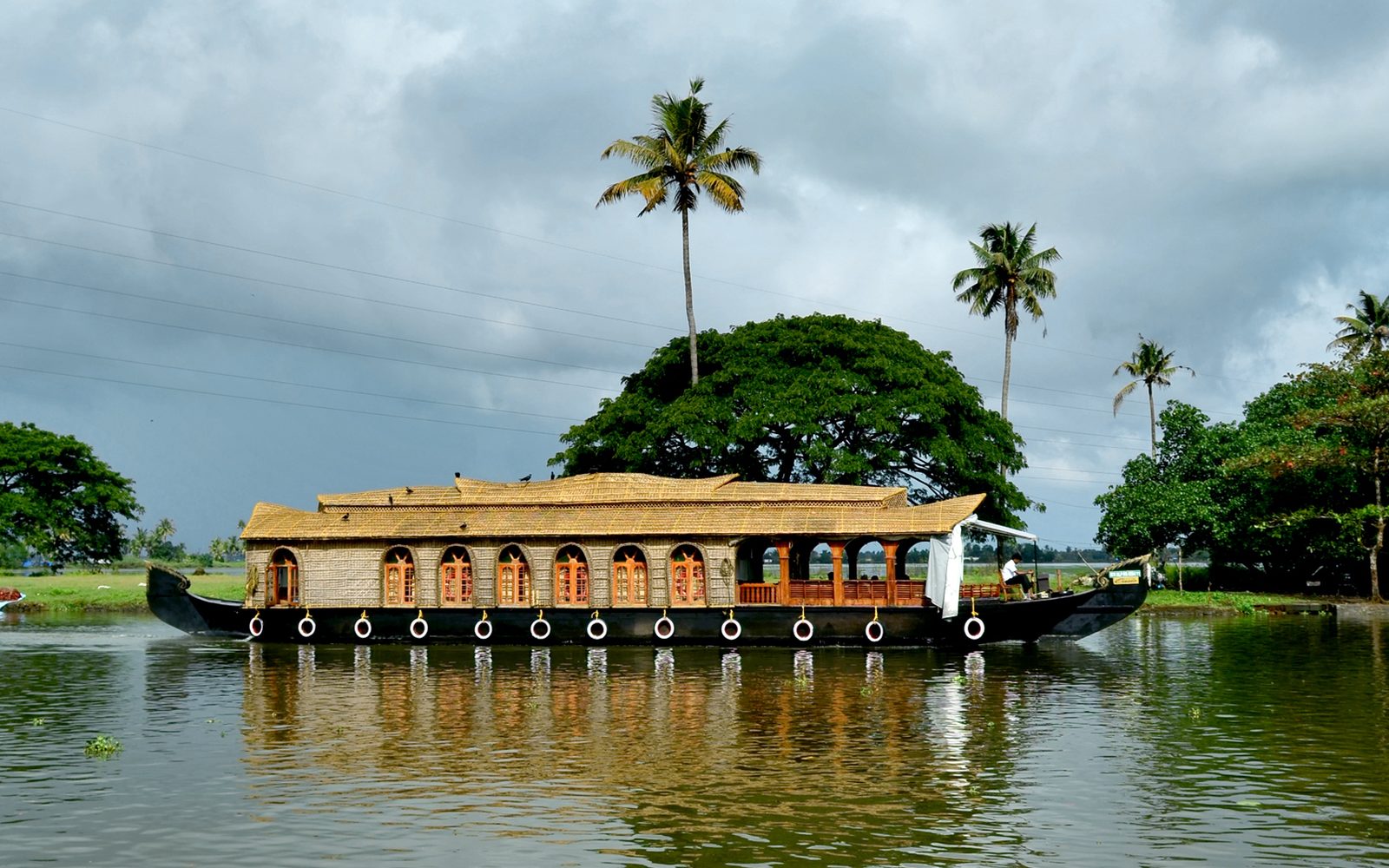
There is a particular kind of quiet you only find on the Kerala backwaters at dawn, when the water is glass and the only sound is a paddle dipping somewhere out of sight. In 2026, that unhurried rhythm is exactly what the world is chasing, and Kerala has quietly become one of the most talked-about slow-travel destinations on the planet. Here is how to experience it well.
Why Kerala Is Having Its Moment in 2026
Kerala has spent decades branding itself as “God’s Own Country,” but this year the wider world has caught up. It was named among the world’s top 26 travel destinations for 2026, a recognition that has sharpened attention on its backwaters, wellness traditions and gentle pace just as the global mood turns away from checklist tourism.
Two things make the timing feel right. First, the slow-travel movement, the deliberate choice to linger in one place rather than sprint between five, has moved from a niche idea to a mainstream way of planning a holiday. Kerala, where the signature experience is literally floating along at walking speed, was built for it. Second, the state has leaned into responsible travel in a very visible way. Kerala hosted India’s first large-scale Responsible Tourism Festival, RT Fest, at Kanakakunnu in Thiruvananthapuram in February 2026, and even launched a cheeky “Travel Now, Post Later” campaign nudging visitors to be present first and share second. For a traveller from India tired of crowded, over-photographed hotspots, that ethos is a large part of the appeal.
The Signature Experiences and Regions
Kerala is small enough to cross in a day, yet it stacks several very different worlds within a few hours of each other. The classic route threads through three of them.
- The backwaters (Alleppey and Kumarakom). This is the postcard: a network of canals, lagoons and Vembanad Lake, best explored on a houseboat, a converted rice barge called a kettuvallam. You drift past coconut groves, village homes and paddy fields below sea level. An overnight houseboat is the headline experience, but a smaller punt through the narrow canals often feels more intimate.
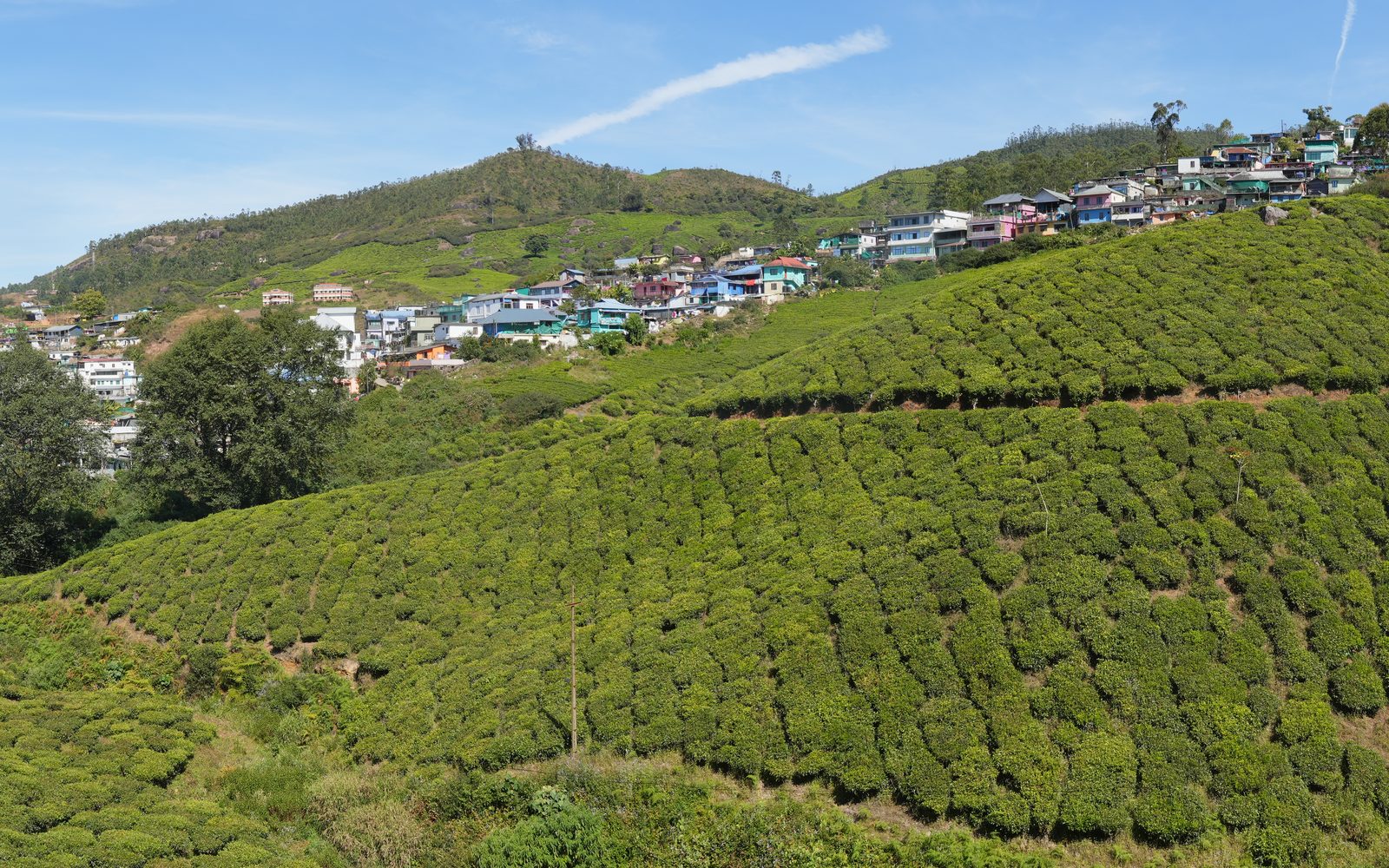
- The hill stations (Munnar and Wayanad). A couple of hours inland the air cools and tea plantations roll over the hills in impossibly neat rows. Munnar is the most famous, with mist, waterfalls and viewpoints. Wayanad is wilder and greener, with the Edakkal Caves, Banasura Sagar Dam and a strong responsible-tourism programme built around local communities.
- Ayurveda and wellness. Kerala is the historic home of Ayurveda, and wellness is now central to why people come. Proper retreats offer physician-led programmes of massage, herbal treatments and diet rather than a single spa hour. The traditionally revered season for this is Karkidakam in the Malayalam calendar, roughly July and August, when the cool, humid monsoon air is believed to make the body most receptive to treatment.
Around these sit Fort Kochi’s Chinese fishing nets and colonial lanes, the beaches and cliffs of Varkala and Kovalam, and quieter spots like Vagamon for those who want to slow down further.
A Suggested Rhythm: A ~7-Day Flow
Kerala rewards restraint. Rather than chase everything, pick three or four bases and stay put in each. A comfortable slow-travel rhythm looks like this.
- Days 1-2, Fort Kochi. Arrive gently. Wander the old town, watch the fishing nets at sunset and ease into the pace before moving on.
- Days 3-4, Munnar or Wayanad. Head to the hills for cool air, tea estates and a couple of unhurried walks. Choose Munnar for classic tea-country views, Wayanad for forests and community-run experiences.
- Days 5-6, the backwaters. Base yourself around Alleppey or Kumarakom. Take an overnight houseboat, then spend a full morning doing nothing but watching village life pass by.
- Day 7, wind down. Close with a beach day at Varkala or a short Ayurvedic treatment near the backwaters before flying home.
If you have more time, add two or three days at a dedicated Ayurveda retreat, where programmes of ~7 to 14 days are common and where the real benefits begin to show.
For Travellers From India
Entry and paperwork. The good news for Indian passport holders: Kerala is a domestic destination, so there is no visa, e-visa or special permit involved. Carry a government photo ID for hotel and houseboat check-ins, and that is essentially it.
Flight connections. Kerala has four airports handling flights, at Kochi (Cochin), Thiruvananthapuram (Trivandrum), Kozhikode (Calicut) and Kannur. Kochi is the main gateway and among India’s busier airports, with direct domestic connections to most metros, including Delhi, Mumbai, Bengaluru, Chennai and Hyderabad, on carriers such as IndiGo, Air India, SpiceHet and Akasa. As a rough guide, expect around ~3.5 to 4 hours from Delhi and roughly ~1.5 hours from Bengaluru. Hopping between Kochi and Trivandrum by air takes under an hour, though the train and road journeys through the countryside are part of the charm.
Best time to go. The peak season runs October to March, when the weather is pleasant and the backwaters are at their most inviting, with typical daytime temperatures in the pleasant twenties to low thirties Celsius. This is also when houseboats and premium resorts fill up fastest, so book several weeks ahead. The monsoon, roughly June to September, is a different proposition: greener, quieter and cheaper, and considered the ideal window for authentic Ayurvedic treatment. Rain is heavy but rarely all-day.
Food and connectivity. Eat locally and often. Kerala’s coconut-rich curries, fresh seafood, appam, and the traditional vegetarian sadya served on a banana leaf are worth planning meals around. Mobile coverage is strong across towns and most tourist areas, though it thins out deep in the backwaters and high in the hills, which is rather the point of a slow trip.
Planning It Well
Kerala looks effortless, which is precisely why a little planning pays off. The single biggest lever is sequencing: getting the order of backwaters, hills and coast right so you are not doubling back or spending precious days in transit. The second is timing your bookings, as the best houseboats and wellness retreats sell out well before peak season. And the third is choosing operators who take responsible tourism seriously, so your money reaches the villages and estates that make the region special.
Done thoughtfully, a week in Kerala does something rare in modern travel: it slows you down and sends you home genuinely rested. In 2026, with the whole world finally paying attention, that quiet dawn on the water is worth planning for.
Let Tripcuro Plan Your Kerala Trip
Tripcuro designs your Kerala journey end to end, matching the backwaters, hill stations and wellness retreats to the pace and season that suit you. We handle the sequencing, the houseboat and resort bookings, and the small local touches that turn a good trip into a memorable one. Tell us how you like to travel, and we will craft a bespoke itinerary that feels effortless from the first morning to the last.