
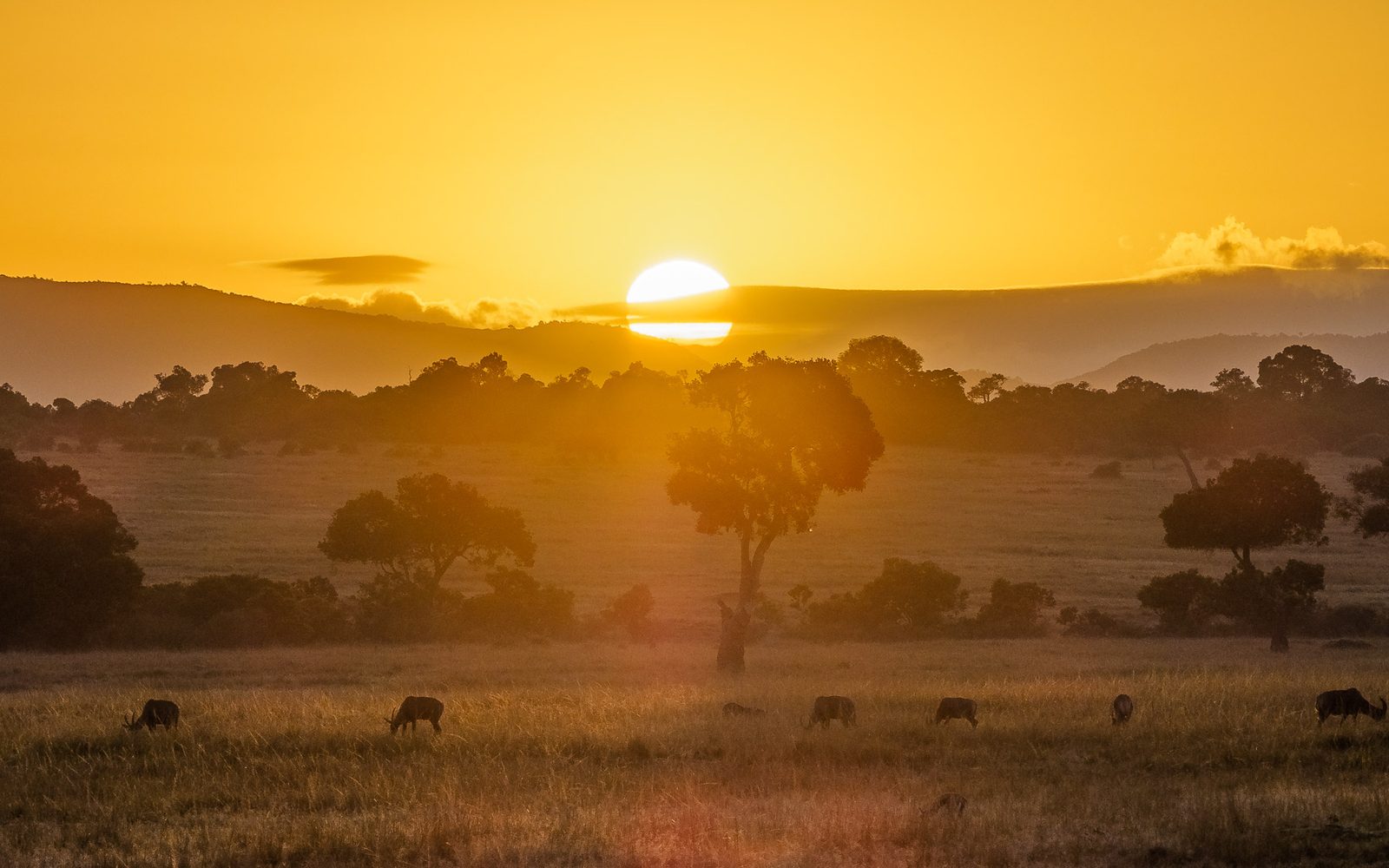
Every year, more than a million wildebeest, zebra and gazelle pour across the plains of the Masai Mara in one of the last great wildlife spectacles left on Earth. In 2026, the pull is stronger than ever, and so is the case for doing it thoughtfully. This is a guide to seeing the Great Migration well, and to planning a safari that leaves the land and the people who protect it better off.
Why Kenya is having a moment in 2026
Kenya has quietly become one of the most travel-friendly safari destinations in Africa. Since scrapping traditional visas in favour of a fully digital Electronic Travel Authorisation, arriving has never been simpler, and that ease has fed a wave of interest from India in particular.
But the deeper shift is in how safaris are being run. The old image of a dozen vehicles jostling around a single lion is giving way to a conservancy model: private wildlife areas surrounding the main Masai Mara reserve, leased directly from Maasai landowners. There are around 15 such conservancies covering roughly 1,450 square kilometres, owned collectively by over 14,500 Maasai families. In return for pooling their land for wildlife, families receive a steady monthly income, plus support for schools and clinics.
The rules inside these conservancies are what make them special. Most cap the number of tents (aiming for roughly one tent per 700 acres), close their gates to day visitors, and allow no more than five vehicles at any sighting. The result in 2026 is a safari that is quieter, more exclusive, and genuinely regenerative, exactly the “gives back” angle discerning travellers are looking for.
The signature experience: the Mara River crossings
The Great Migration is a year-round, roughly circular movement between Tanzania’s Serengeti and Kenya’s Masai Mara. The moment everyone comes for is the Mara River crossing, when massed herds fling themselves down the banks into crocodile-patrolled water, driven by the instinct for greener grass on the far side.
The herds typically enter Kenya via the Sand River in late June or early July, with crossing season running roughly July through October. August and September deliver the most dramatic action. August has the highest crossing frequency and the biggest concentrations, but also the heaviest vehicle traffic at popular points on the reserve; September offers almost as much drama with noticeably fewer crowds and frequent back-crossings.
One honest truth to plan around: crossings cannot be scheduled. Herds may gather at the bank for hours, then turn away. Budget at least ~4 days in the Mara to give yourself real chances rather than gambling on a single game drive.
Beyond the river, the signature Kenya experiences are worth weaving in:
- Balloon safaris at dawn over the plains, drifting silently above the herds
- Big cat country — the Mara is arguably the finest place on the continent for lion, cheetah and leopard
- Maasai cultural visits done through the conservancies, where your fee genuinely reaches the community
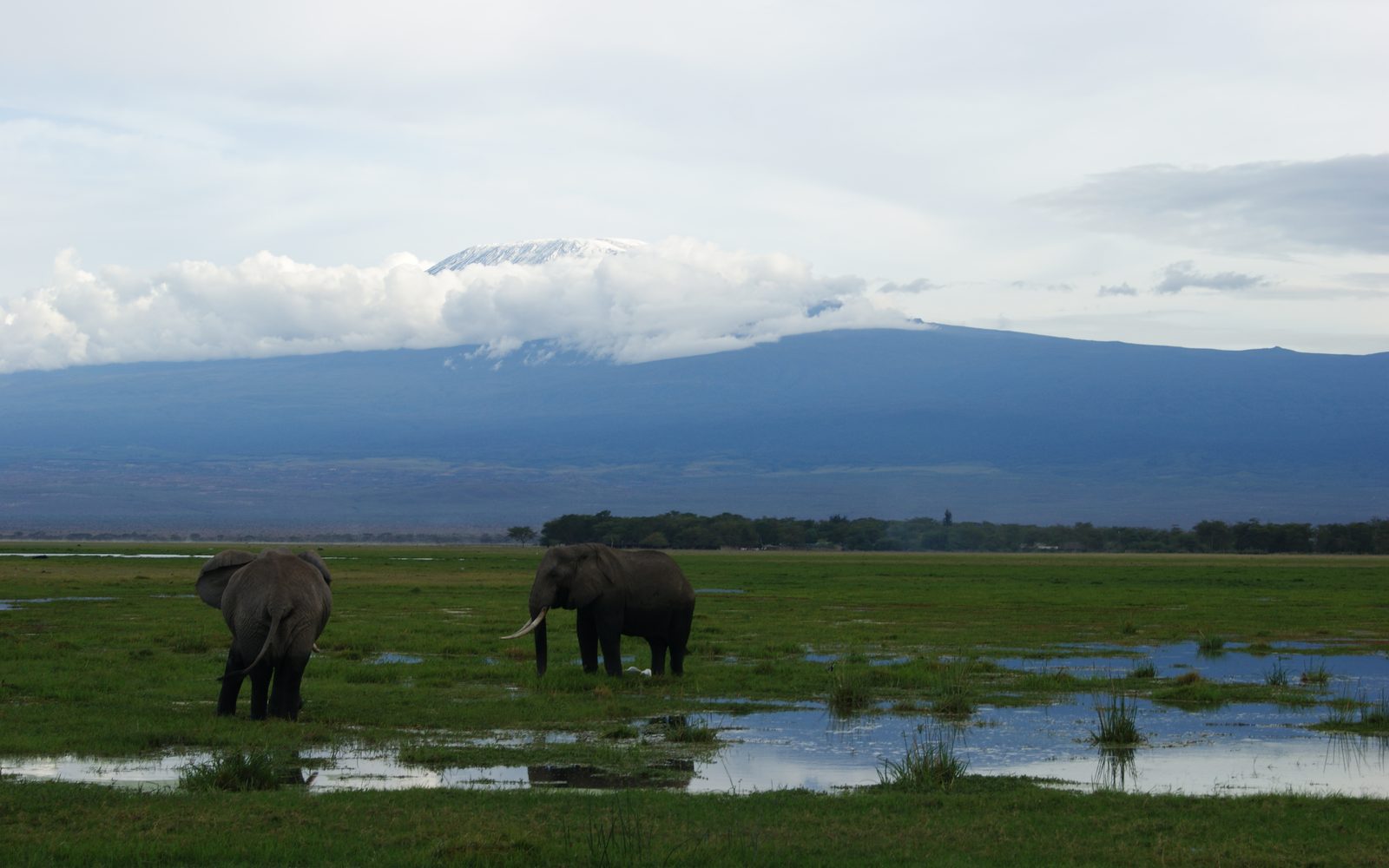
- Amboseli for elephants framed against Kilimanjaro, or the Rift Valley lakes for flamingos, if you have time to extend
A suggested ~8-day rhythm
A migration trip rewards a slower pace. Rushing between parks burns days on transfers and dilutes the magic. A comfortable flow looks like this:
- Days 1 to 2 — Nairobi. Arrive, recover from the flight, and ease in. Visit the elephant orphanage and the giraffe centre, both conservation-led, then take a light-aircraft hop toward the Mara rather than a long road transfer.
- Days 3 to 6 — Masai Mara. The heart of the trip. Split your nights between a camp inside a private conservancy (for exclusive, low-vehicle game drives and night drives you cannot do in the reserve) and time near the river during crossing season. Add a balloon morning.
- Days 7 to 8 — Extend or unwind. Either fly to Amboseli for elephants and Kilimanjaro views, or head to the coast around Diani for warm Indian Ocean beaches to decompress before flying home.
This shape keeps driving low, maximises time with wildlife, and folds in both the spectacle and the softer moments.

For travellers from India
Visa and entry. Kenya no longer issues traditional visas. Indian passport holders apply online for an Electronic Travel Authorisation (eTA) through the official portal at etakenya.go.ke. You will need a passport valid for at least six months from arrival, a passport-style photo, and digital copies of your return ticket and accommodation booking. The tourist fee is roughly ~USD 32 (around ~INR 2,700), non-refundable. Processing is officially about ~3 working days, but apply at least a week or two ahead to be safe, and never through unofficial middleman sites.
Getting there. Kenya Airways operates direct flights from Mumbai to Nairobi (Jomo Kenyatta International), with a flying time of roughly ~6 hours. From Delhi, direct service is also available on Kenya Airways and Air India; from other Indian cities you will connect via Mumbai, Delhi or a Gulf hub. As of mid-2026 there are around 29 India to Kenya flights weekly, so options are plentiful.
Best time to go. For the migration, target late July through October, with August and September the sweet spot for crossings. This is peak season, so the best river-proximity camps sell out ~6 to 12 months ahead — book early. If crossings are not your priority, the green season of the shoulder months brings lush landscapes, newborn animals and better value.
Food and connectivity. Nairobi and the better camps cater well to Indian palates; vegetarian and Jain requirements are widely understood if flagged in advance, and many camps happily prepare Indian-style meals. Nairobi has strong mobile data and easy local SIM or eSIM options; out in the conservancies, expect camp Wi-Fi that is functional but slow, treat it as a feature, not a fault. Kenya’s time zone sits just 2.5 hours behind India, so jet lag is mild.
Planning it so it gives back
The difference between an ordinary safari and a great one is almost entirely in the planning: which conservancy, which camp, which weeks, which order. Get those right and you trade crowds for solitude, and a generic package for a trip that channels real money to the Maasai families and rangers keeping this ecosystem alive.
That is where a bespoke approach earns its keep. Choosing community-owned conservancies over day-tripper routes, timing your Mara nights to the crossing window, and pacing transfers by light aircraft are exactly the decisions that separate a memory from a milestone. Plan it with intention, and Kenya gives back long after you have flown home.
Let Tripcuro Plan Your Kenya Trip
Tripcuro designs your Kenya safari end to end, from the eTA paperwork and the best-timed Mara nights to the community-owned conservancies where your visit does the most good. We match you to the right camps, pace your days around the wildlife rather than the map, and handle every transfer and detail so you simply arrive and watch the migration unfold. Tell us your dates and travel style, and we will craft an itinerary made only for you.