
Most people arrive in Jamaica with a soundtrack already playing in their heads and leave surprised by how much bigger the island is than its postcard. Beyond the all-inclusive stretch of the north coast lies a country of mist-wrapped mountains, secret river coves and the birthplace of a music that changed the world. In 2026, after one of the hardest years in its recent history, Jamaica is open again and arguably at its most welcoming.
That resilience is the story of the moment. Hurricane Melissa, the strongest storm to strike the island in more than three decades, made landfall in October 2025 and forced dozens of resorts to close. The recovery since has been remarkable: by the first quarter of 2026 Jamaica had already logged more than a million visitor arrivals, and the beaches at Negril and along the north coast came back wider and whiter than before, as the storm’s own wave action pulled fresh sand onto the shore. Go now and you travel a country that has every reason to celebrate.
Why Jamaica is having its moment in 2026
The numbers tell the first half of the story. Jamaica welcomed roughly 3.7 million visitors across 2025, and despite the October hurricane the island crossed the one-million-arrival mark again within the first three months of 2026, a milestone reached barely five months after Melissa. International recovery funding of around US$6.9 billion from the IMF, the World Bank and the Inter-American Development Bank has poured into rebuilding, and by mid-December 2025 some 72 per cent of the island’s hotel rooms were back online, with the figure climbing through the spring.
The second half is about access. Airlift into Jamaica is expanding, not contracting: capacity across the three main airports rose for the 2025–2026 winter season, British Airways added a fourth weekly London-to-Kingston service from April 2026, and new routes from Canada and Latin America keep coming. For a traveller from India, that matters. More seats through the big hub airports mean more ways to build a sensible connection. The result is a destination that feels both hard-won and freshly polished, without the wall-to-wall crowds you would find on the Golden Route of a place like Japan.
The signature experiences worth building a trip around
Jamaica rewards travellers who look past the resort gate. A handful of experiences consistently justify the journey:
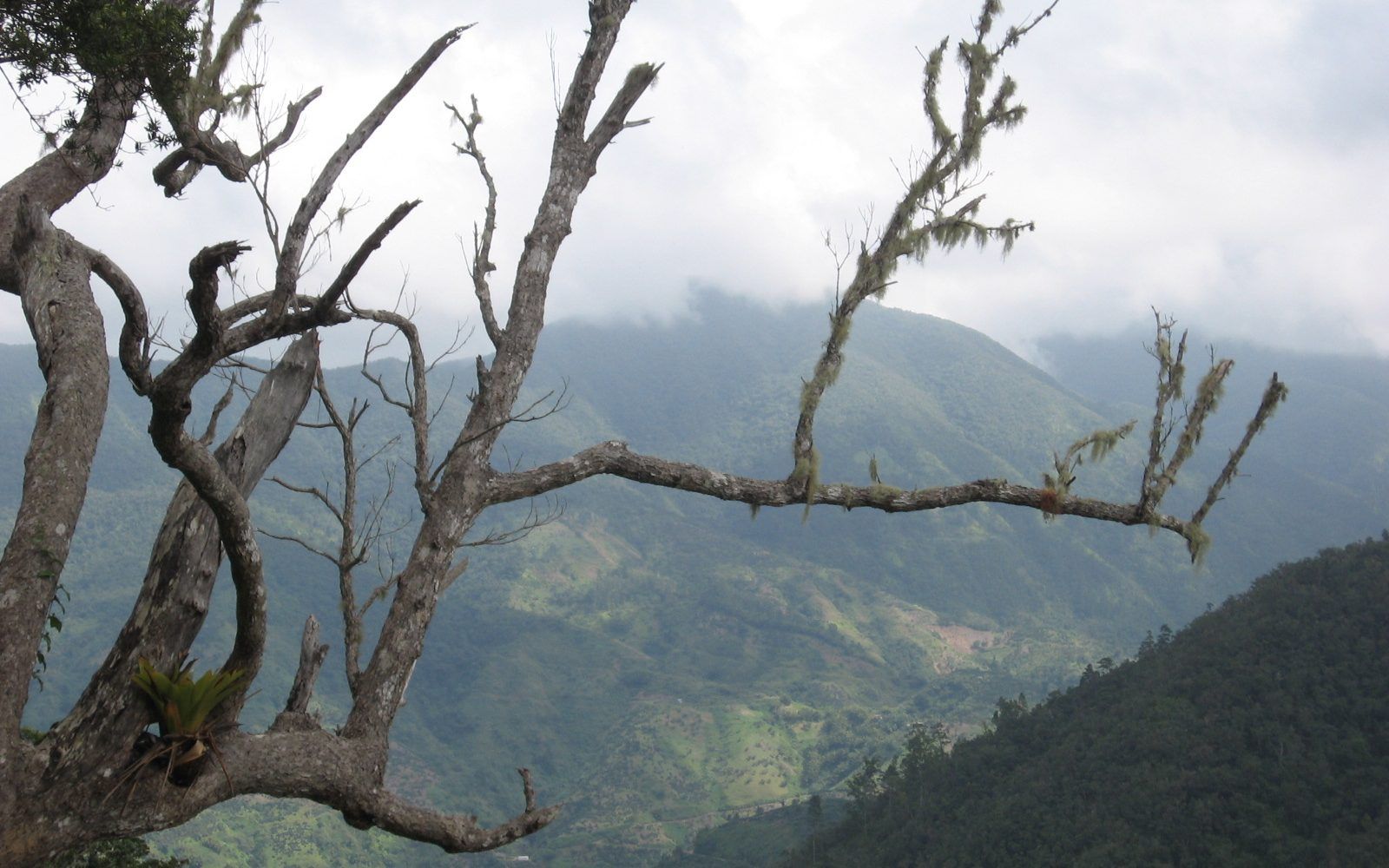
- Blue Mountain coffee country. The Blue Mountains rise to more than 2,250 metres east of Kingston, and their cloud-wrapped slopes grow one of the most sought-after coffees on earth. A morning on a working estate (walking the terraced bushes, watching the beans dried and roasted, then tasting a cup where it is grown) is the antidote to the beach. Many tours pair the coffee with a hike to a rainforest waterfall and a home-cooked Jamaican lunch.
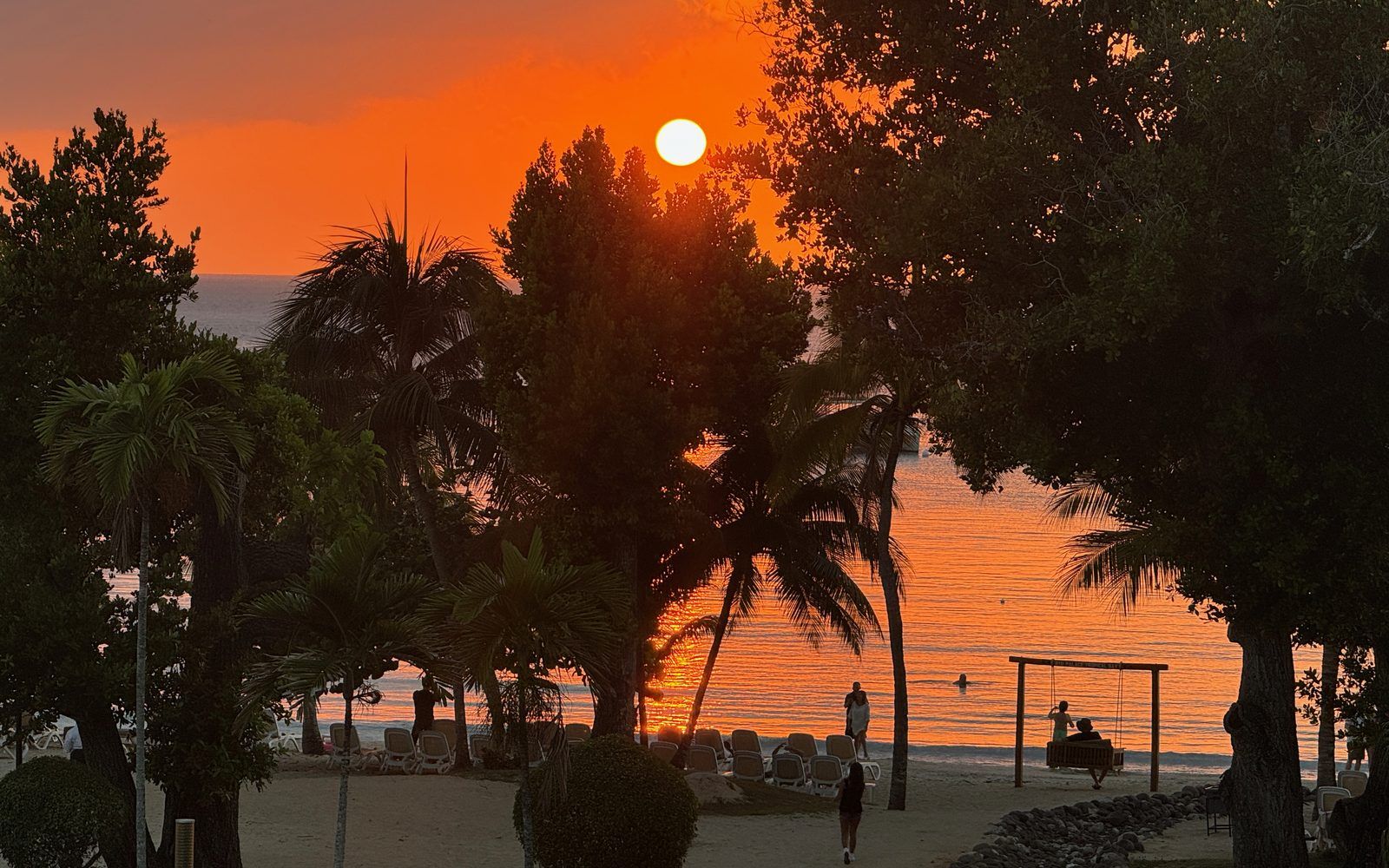
- Negril and Seven Mile Beach. The island’s long west-coast ribbon of sand is where sunsets become an event, best watched from the cliffs at the beach’s southern end, with a glass-bottom boat or a snorkel trip earlier in the day. Melissa left these beaches broader than ever.
- Port Antonio and the Blue Lagoon. The lush, low-key east is the Jamaica film crews fall for: the deep, spring-fed Blue Lagoon, the sheltered white sand of Frenchman’s Cove, and a slow bamboo-raft drift down the Rio Grande.
- Kingston’s music heritage. The capital is a UNESCO Creative City of Music, and reggae itself sits on UNESCO’s list of the intangible cultural heritage of humanity. Stand in Bob Marley’s former home at 56 Hope Road, now the Bob Marley Museum, and in Trench Town, the neighbourhood widely called the cradle of reggae.
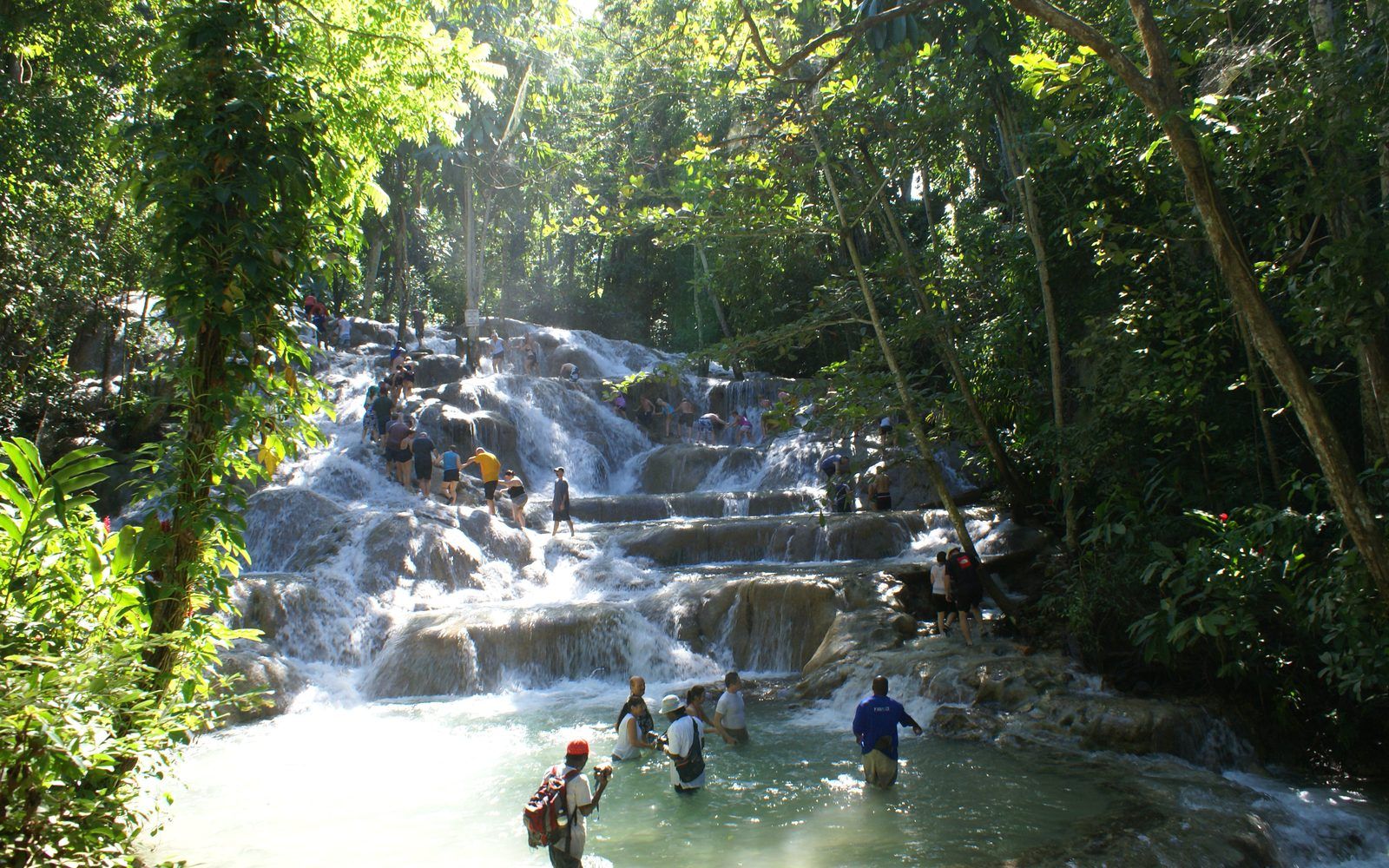
- YS Falls and the Black River. In the quieter south-west, the seven-tiered YS Falls tumble through gardens you can swim beneath, often paired with a boat safari on the Black River and a stop at the Appleton Estate for Jamaica’s rum.
A rhythm for a first trip
The classic mistake is to book a single resort and never leave it. A better shape for a first proper visit runs about eight to ten days and lets the island’s contrasts breathe.
- Days 1 to 3, the north coast, gently. Land at Montego Bay, reset, and ease in with a beach base around Montego Bay or Ocho Rios. Use it to acclimatise, not to sprint.
- Days 4 to 5, into the hills. Trade sand for altitude with a Blue Mountains coffee morning and a waterfall walk, either as a long day trip or an overnight in the cool of the peaks.
- Days 6 to 7, the east. Drift over to Port Antonio for the Blue Lagoon, Frenchman’s Cove and a raft down the Rio Grande, the greenest, gentlest stretch of the island.
- Days 8 to 10, culture and the deep south. End in Kingston for its music heritage and food, or swing south-west for YS Falls, the Black River and Appleton rum before flying home.
The connective tissue is the drive, and Jamaican distances are deceptive. Mountain roads are slow. Knowing which legs are worth a private transfer and which are better flown or skipped is what keeps the pace humane.
For Travellers From India
Visa. This is the easy part. Indian passport holders do not need a visa to visit Jamaica. Jamaica’s own Passport, Immigration and Citizenship Agency lists India, as a Commonwealth country, under “no visa required”. You are admitted for tourism at the port of entry on arrival. Carry a passport valid for at least six months, a return or onward ticket and proof of accommodation, as immigration officers may ask to see them.
Getting there. There is no direct flight from India to Jamaica, so every routing connects, realistically one or two stops via a European or North American hub such as London, or via a US or Canadian gateway. Expect a total door-to-door journey of well over 20 hours, and often nearer a full day, depending on connections. Jamaica has two international airports: Sangster in Montego Bay, which handles most tourist traffic, and Norman Manley in Kingston. British Airways’ expanded London–Kingston service and Jamaica’s broader 2026 airlift growth make the hub connections easier to line up than they once were. Return fares from Indian metros commonly start from around ₹1,20,000 to ₹1,50,000, so book early.
When to go. Jamaica’s dry season runs from November to April, and this is the sweet spot: warm days, low humidity and little rain, with February and March the driest. Hurricane season officially spans 1 June to 30 November, peaking from August to October, so the value-heavy late-summer months carry real weather risk after Melissa’s reminder of what that can mean. For the best balance of pleasant weather, thinner crowds and better rates, aim for the shoulder windows of November into mid-December, or late April into May.
Money, food and connectivity. The local currency is the Jamaican dollar (roughly ₹0.60 to J$1 in mid-2026), but US dollars are widely accepted at hotels and tour operators, so a mix is useful. Vegetarian and Jain travellers eat better here than expected: Ital, the natural, plant-based cooking rooted in Rastafarian culture, is genuinely vegetarian and widely available, alongside rice and peas, callaloo, festival and fresh tropical fruit. Just flag Jain restrictions in advance. For data, pick up a Jamaica eSIM before you fly so you land connected for maps, transfers and calls home.
Exclusive Hotel Deals
Through our partnerships with luxury hotel programs, we can offer exclusive perks at 10+ properties in Jamaica:
Round Hill Hotel And Villas (5-star, Montego Bay)
- Daily Breakfast for two per room
- $100 Spa Credit per accommodation
- VIP Welcome Amenity & Note
- Early Check-In day of arrival if available
Half Moon (Salamander, 5-star, Montego Bay)
- Daily breakfast for two
- Room upgrade at the time of check-in, based on availability
- Early check-in / late check-out, based on availability
- Hotel or resort credit of $100 USD or equivalent, valid once per stay
The Cliff Hotel (5-star, Negril)
- Complimentary daily breakfast
- Free parking and WiFi
- Fora exclusive amenity (Branded tote bag or water bottle)
- Room upgrade on arrival (subject to availability)
Bluefields Bay Villas (4-star, Bluefields)
- $400 credit for spa and excursions
- All inclusions
- Early check in/out (subject to availability)
- A credit worth $50-$100 (USD) per room, per stay to be spent only on extras such as F&B or Spa, only on property and during the stay
GoldenEye (Island Outpost, 4-star, Oracabessa)
- Upgrade on arrival, subject to
- availability
- Daily Full breakfast for up to two guests per bedroom, served in the restaurant
- $100 USD equivalent Food & Beverage credit to be utilized during stay (not combinable, not valid on room rate, no cash value if not redeemed in full)
Planning it well
Jamaica is easy to reach a beach in and surprisingly hard to do justice. The gap between a pleasant week and an unforgettable one lies almost entirely in the joins: which coast to base on, when to climb into the mountains, how to fold Kingston’s music and the south-west’s waterfalls into a route that still leaves room to slow down. In a year when the island is rebuilt, freshly beautiful and rightly proud of it, that judgement is what turns a resort stay into a real encounter with the place. Come for the rhythm, stay for the mountains, and let someone who knows the country handle the sequencing.
Let Tripcuro Plan Your Jamaica Trip
Tripcuro designs your Jamaica journey end to end, from the right connection out of your city to a route that trades the resort gate for Blue Mountain coffee, Port Antonio’s rivers and Kingston’s music. We match the season to your dates, secure the properties and experiences worth the splurge, and stitch the transfers together so the whole trip simply flows. Tell us how you like to travel, and we will build a bespoke itinerary around it.