
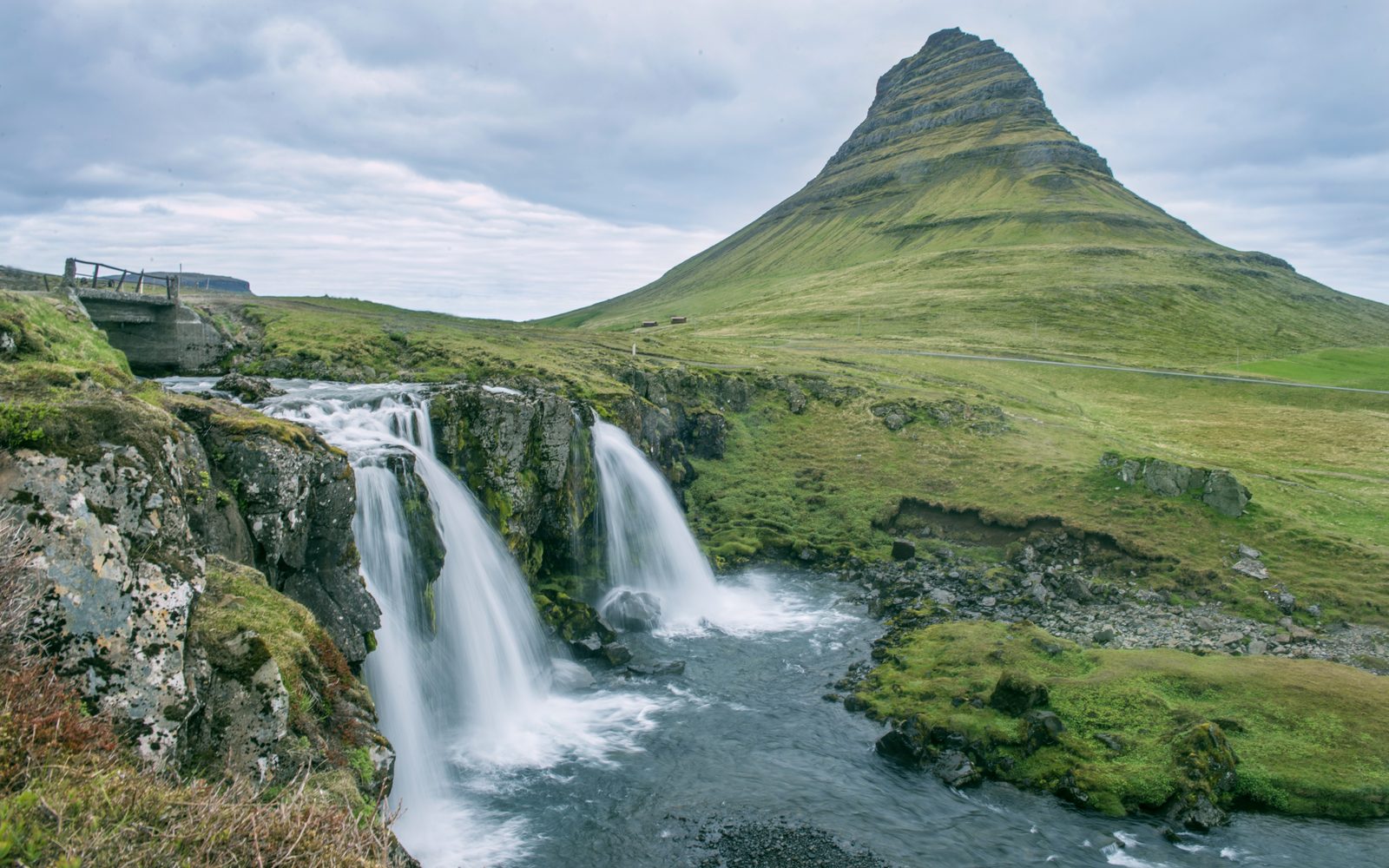
Most first-timers arrive in Iceland with a checklist: Geysir, Gullfoss, Thingvellir, done in a day. But the Iceland worth crossing a continent for reveals itself only when you keep driving past that famous loop. In 2026, with a rare eclipse, a solar-max aurora season, and a genuinely live volcanic landscape, this is the year to go deeper.
Why 2026 Is Iceland’s Standout Year
A few things are converging at once, and each on its own would justify the trip.
- A total solar eclipse on 12 August 2026 sweeps across Western Iceland, the country’s first since 1954 and the Reykjavik area’s first in nearly six centuries. The path of totality passes over the Westfjords, the Snaefellsnes Peninsula, Reykjavik, and the Reykjanes Peninsula, with totality peaking in the late afternoon.
- The Northern Lights are near their strongest in over a decade. The sun is around the peak of its roughly 11-year cycle, meaning the aurora displays through the 2025 to 2026 winter are more frequent and more intense than in a typical year.
- Iceland is volcanically alive. The Reykjanes Peninsula has seen repeated eruptions, and volcanologists expect this active phase to continue for years, possibly decades. This has given rise to well-managed volcano tourism, where you can safely witness fresh lava fields and steaming ground.
Iceland has also become one of Europe’s fastest-growing destinations, which cuts both ways: more infrastructure and flights, but also busier headline sights. The smart move is to lean into the quieter regions.
Beyond the Golden Circle: The Regions That Reward You
The Golden Circle is a warm-up. The real country is out on the edges.
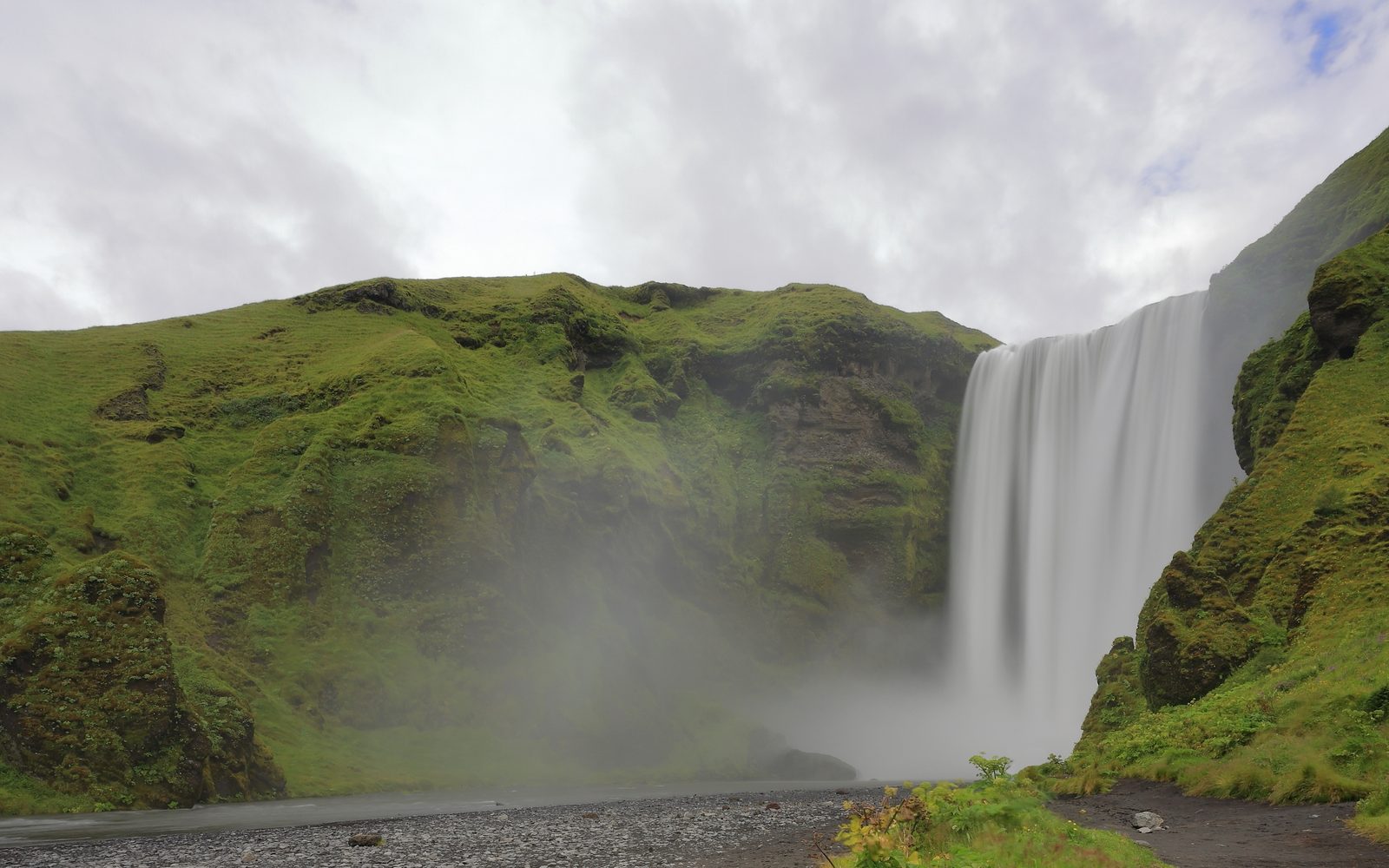
- The Westfjords are Iceland at its most remote and unhurried: arty fishing villages, the towering Dynjandi waterfall, the vast bird cliffs at Latrabjarg, and the red-gold sands of Raudasandur. Because this region sits squarely in the eclipse’s path of totality, expect it to be exceptionally busy in August 2026, so book far ahead.
- The Highlands, Iceland’s volcanic interior, are a different planet: rhyolite mountains streaked in ochre and green, milky-blue glacial lakes, and remote geothermal pools. Reaching them means F-roads (mountain tracks), a 4x4, and a summer-only window, but the payoff is solitude you cannot buy on the Ring Road.
- The Snaefellsnes Peninsula, often called “Iceland in miniature,” packs glaciers, lava fields, black beaches, and photogenic villages into an easy detour from Reykjavik, and also sits under the eclipse path.
- The South and East coasts deliver the signature set pieces: glacier hikes and ice caving around Skaftafell, the floating icebergs of Jokulsarlon, and quiet fjord roads in the east that most tour buses skip.
Signature experiences to build a trip around include whale watching by RIB boat, glacier and ice-cave excursions, geothermal bathing (the crowd-free lagoons beat the famous one), and small-group aurora hunting away from town lights.
A Rhythm for the Trip
The full Ring Road (Route 1) runs roughly 1,332 km, and most travellers give it ~7 to 10 days. From India, where you have already invested a long journey, err toward the longer end.
- ~7 days: The classic Ring Road loop at a steady pace, with time for the south coast’s waterfalls, glaciers, and a night or two chasing the aurora.
- ~10 days: Add the Snaefellsnes Peninsula and slower days in the north around Akureyri and Lake Myvatn.
- ~12 to 14 days: Fold in the Westfjords or a Highlands foray, the version that truly earns the “beyond the Golden Circle” promise.
Whatever the length, resist over-scheduling. Iceland’s weather rewrites plans daily, and the best moments, a sudden aurora, a lava glow at dusk, tend to arrive in the gaps you leave open.

For Travellers From India
Visa. Iceland is part of the Schengen Area, and Indian passport holders need a full Schengen short-stay visa (up to 90 days within any 180-day period). Note that ETIAS, Europe’s new travel authorisation launching in late 2026, does not replace this for Indian citizens; you still apply for the Schengen visa through the relevant consulate in India. Apply well in advance, as 2026’s eclipse and aurora demand is high.
Getting there. There are no direct flights from India; you connect once, typically through a European or Gulf hub. Carriers commonly serving the route include Air India, Emirates, Finnair, Icelandair, and Lufthansa, landing at Keflavik International Airport (KEF), about ~45 minutes from Reykjavik. Total travel time usually runs from the mid-teens of hours upward depending on the connection.
Best time to go. For the Northern Lights, aim for roughly September to April, with the long, dark, clearer nights of autumn and late winter being ideal, and 2026’s solar maximum making almost any clear night promising. For the eclipse specifically, it is 12 August 2026. Summer (June to August) offers near-endless daylight, open Highlands F-roads, and the friendliest driving, but no aurora.
Food and connectivity. Reykjavik has a small but growing set of Indian and vegetarian-friendly restaurants, though options thin out fast in the countryside, so carry snacks for long driving days. Tap water is pristine and free. Mobile coverage is strong along populated routes and the Ring Road; a local or travel eSIM is the easiest fix, and connectivity fades in the deep Highlands, which is part of the charm.
Planning It So It Actually Works
Iceland punishes improvisation more than most destinations. Distances are deceptive, weather turns on a coin, and in 2026 the eclipse and aurora peak mean the best lodges, guides, and eclipse-path rooms are being reserved a year out. Winter driving demands the right vehicle and a flexible mindset; the Highlands demand a 4x4 and route knowledge; the eclipse demands you are standing in the right valley at the right minute with a backup for cloud. This is precisely where a well-built itinerary pays for itself, sequencing regions with the light and the weather rather than against them.
Let Tripcuro Plan Your Iceland Trip
Tripcuro designs your Iceland journey end to end, from the Schengen paperwork and the smartest flight connection out of India to a day-by-day route tuned to the 2026 eclipse, the aurora forecast, and the regions worth the extra miles. We handle the 4x4 logistics, the hard-to-book lodges, and the guided glacier and volcano experiences so your trip unfolds without friction. Tell us your dates and travel style, and we will craft a bespoke itinerary that is entirely yours.