
Some countries you visit; Ethiopia you enter. It is the one African nation that was never colonised, the place that kept its own alphabet, its own calendar running seven years behind our own, and a form of Christianity older than most of Europe’s cathedrals. In 2026, more travellers are finally discovering what the guidebooks have long undersold: that this is one of the last great overland journeys on the continent, and one of the easiest to reach from India.
The timing is unusually good. Ethiopia has spent recent years reopening its northern circuit, and the government has thrown real weight behind tourism, most visibly by opening the newly inaugurated Grand Ethiopian Renaissance Dam to visitors in late 2025. For a discerning traveller, the appeal is the quiet: rock churches with no queue, highland trails where the only traffic is a troop of gelada monkeys, and a culture that feels genuinely unlike anywhere else you have been.
Why Ethiopia is having its moment in 2026
Two things have shifted. The first is access. Ethiopian Airlines, Africa’s largest carrier, has been steadily expanding its network, including a new direct London-to-Lalibela service launched in 2025 that put the country’s holiest town within a single hop of a major hub. The historic north, the Omo Valley in the south and the great mountain ranges are all seeing sustained movement again after some lean years.
The second is intent. Prime Minister Abiy Ahmed’s government has made tourism a national priority, pouring investment into flagship sites. The Grand Ethiopian Renaissance Dam, Africa’s largest hydroelectric project at 5,150 megawatts, was inaugurated in September 2025 and opened for public tours later that month, with visits registered through Ethiopian Airlines. In Addis Ababa, Unity Park inside the old Grand Palace grounds has become one of the capital’s most visited attractions. The net effect for 2026 is a country that is easier to enter, easier to move through, and keen to be seen.
The signature experiences worth building a trip around
Ethiopia rewards travellers who trade a checklist for a handful of deeply felt places. A few that consistently deliver:
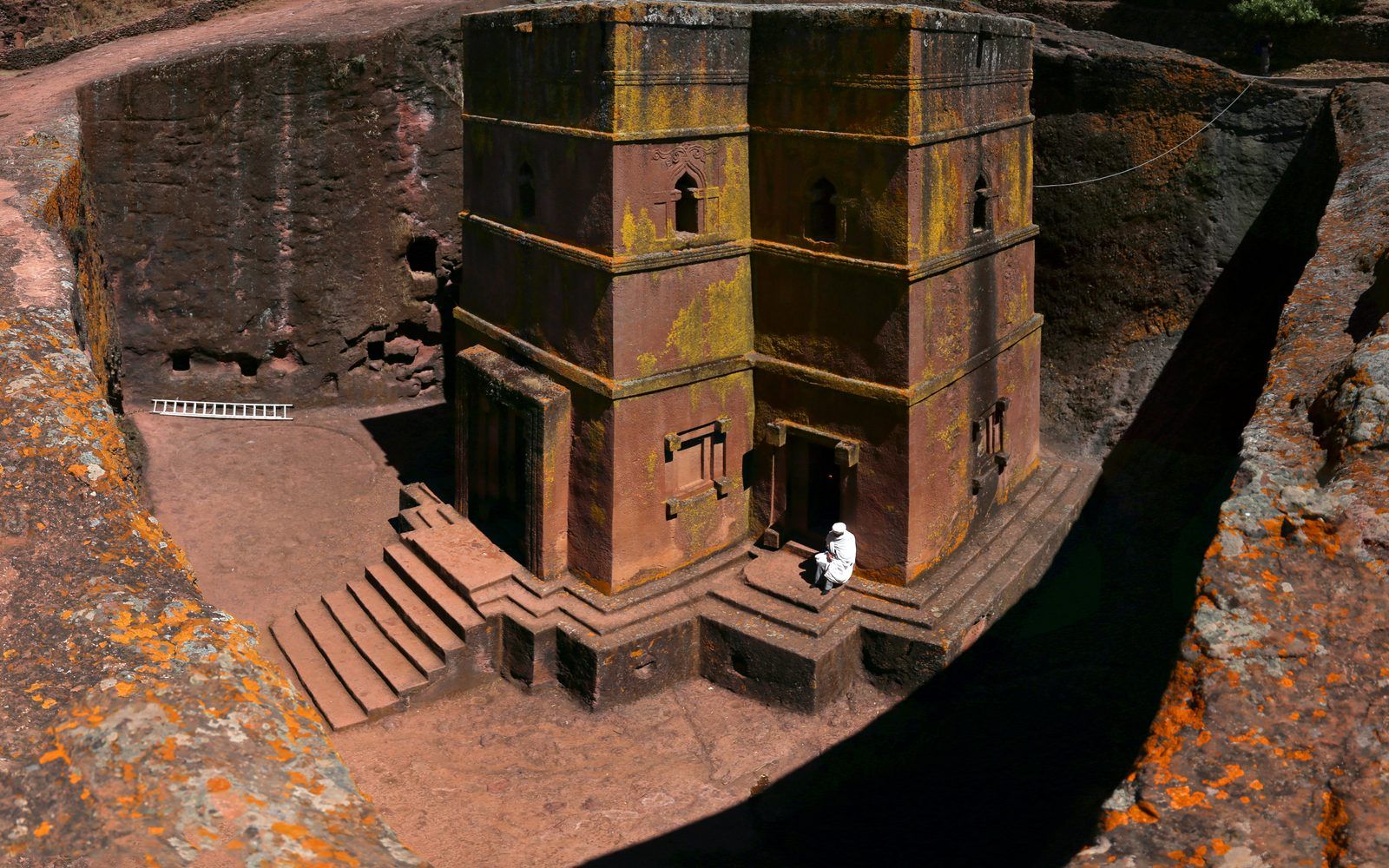
- Lalibela is the reason many people come. Eleven medieval churches carved down into the living rock in the 12th and 13th centuries, still active places of worship, still ringing with chant at dawn. Between October and March the skies are clear and the daytime temperatures sit in the mid-twenties, ideal for the slow, reverent business of exploring them properly.
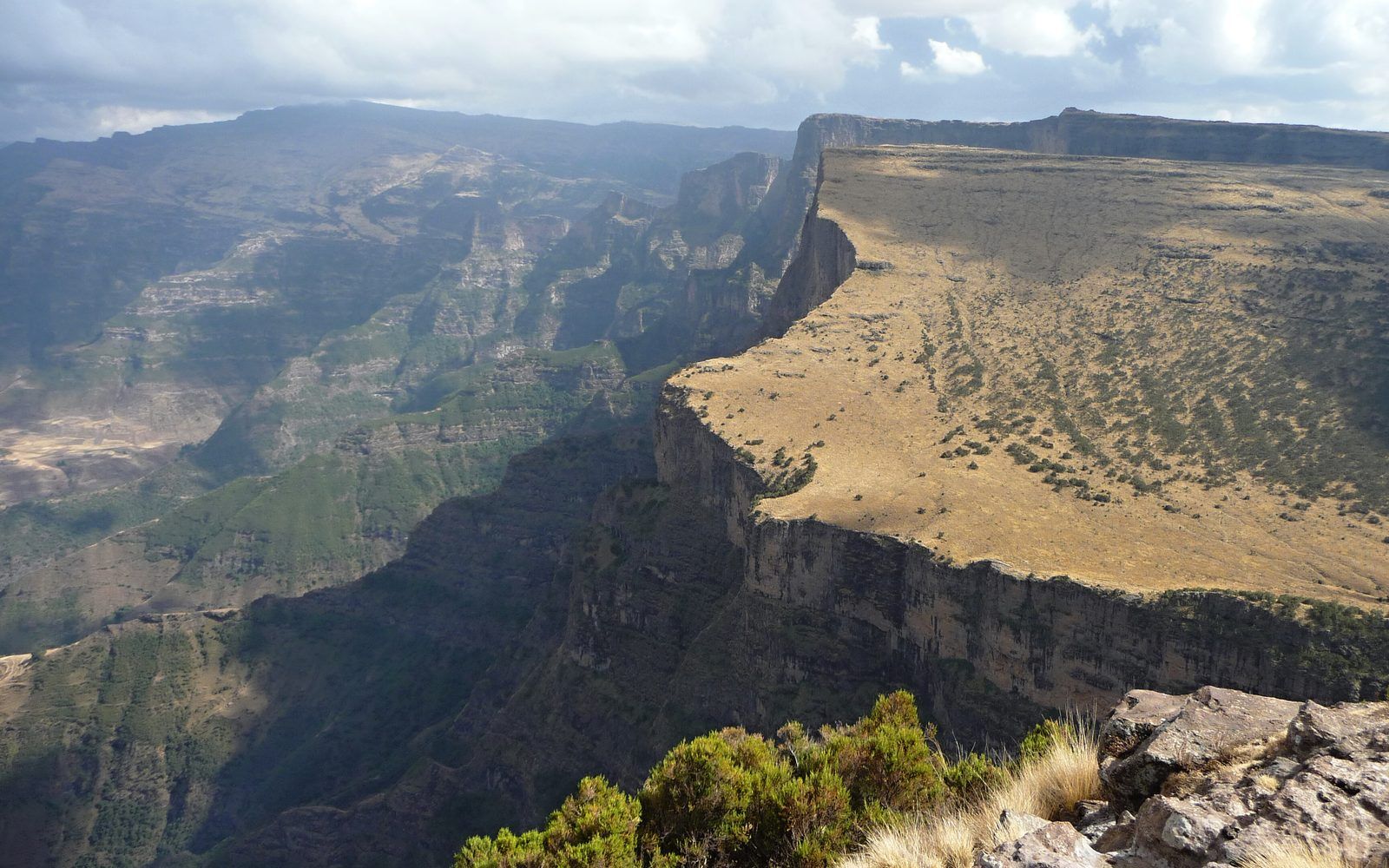
- The Simien Mountains are Ethiopia’s great trekking country: a serrated escarpment of plateaus and thousand-metre drops, home to gelada monkeys, walia ibex and the Ethiopian wolf. The trails are at their finest from September to November, when the rains have just ended and the highland grasses and wildflowers are in full bloom.
- Gondar, the imperial capital from 1632 to 1855, is Ethiopia’s Camelot. Its Fasil Ghebbi royal enclosure is a UNESCO-listed compound of 17th-century stone castles blending Portuguese, Indian and indigenous Aksumite influence. Time it for the Timkat Epiphany festival around 19 January, when the sacred Fasilides Baths are filled and thousands of white-robed worshippers plunge in at dawn.
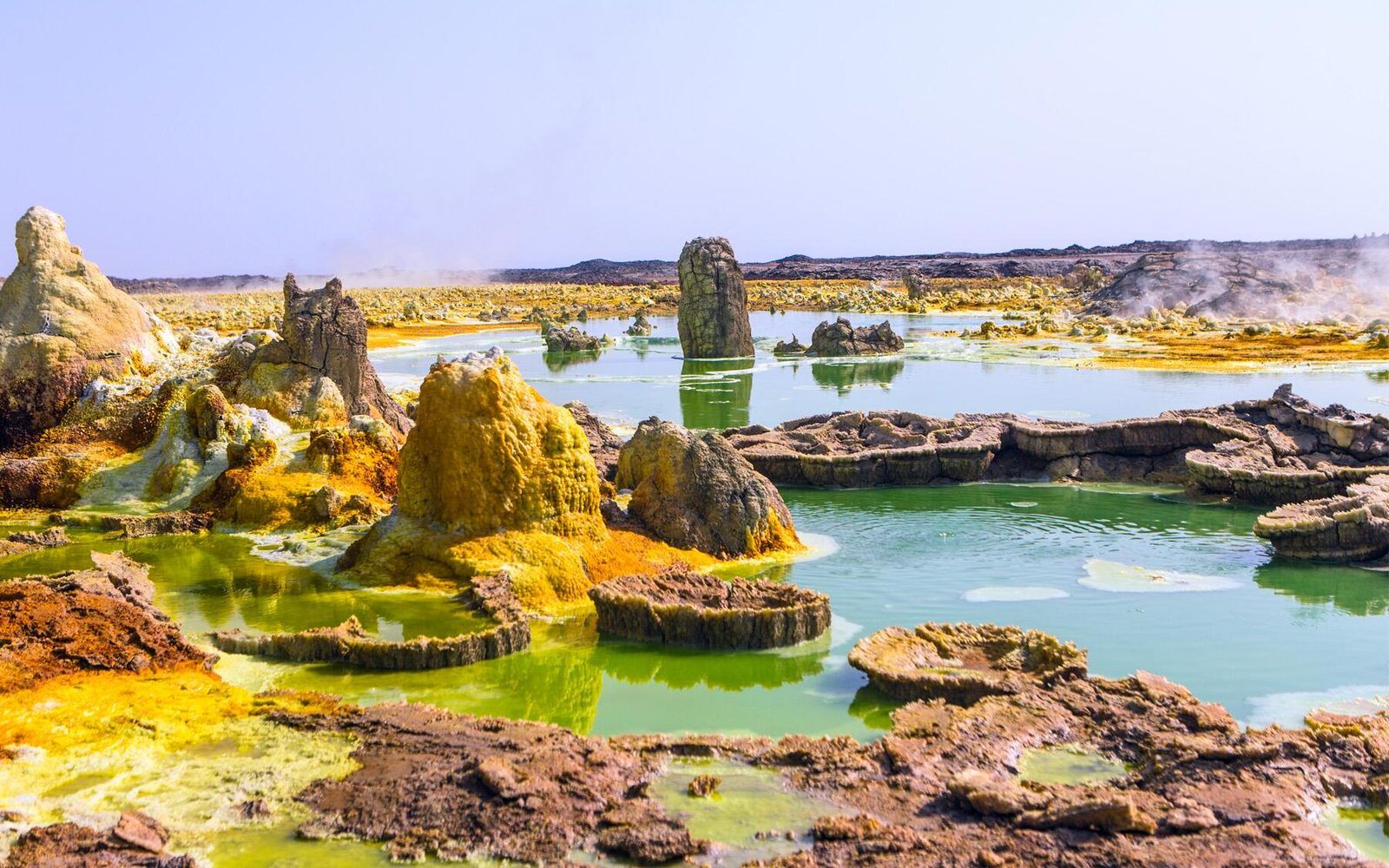
- The Danakil Depression is one of the hottest and lowest places on earth, a surreal landscape of sulphur springs, salt flats and the smoking lava lake of Erta Ale. It is accessible only with specialist operators and structured security, but for the right traveller it is unforgettable.
- The Omo Valley in the deep south is a living cultural landscape of distinct peoples and traditions, open for respectful, guide-led travel with proper community coordination.
Woven through all of them is the thread you came for: an incense-thick church service at first light, a ceremony of freshly roasted coffee, the sheer strangeness of a calendar and a script that belong to nowhere else.
A rhythm for a first trip
The classic mistake is trying to see everything and feeling nothing. A better shape for a first proper trip runs about 10 to 12 days and keeps the pace humane.
- Days 1 to 2, Addis Ababa, gently. Land, adjust to the 2,300-metre altitude, and ease in with Unity Park, the National Museum’s early-human fossils and a first coffee ceremony.
- Days 3 to 5, the historic north begins. Fly up to Gondar for the royal castles, then push on to the Simien Mountains for a day or two of highland walking among the geladas.
- Days 6 to 8, Lalibela. The heart of the trip. Give the rock churches unhurried time, ideally including a dawn service, and hike out to a monastery or two in the surrounding hills.
- Days 9 to 12, your own texture. Either add the otherworldly Danakil with a specialist operator, or drop south to the Rift Valley lakes and the Omo Valley for a completely different Ethiopia.
The connective tissue is the domestic flight network. Ethiopia’s sites are far apart and the roads are slow, so a well-planned routing on Ethiopian Airlines’ internal flights turns what would be exhausting drives into the easy joins of the trip.
For Travellers From India
Visa. Ethiopia runs a fully online e-visa system for Indian passport holders through the official portal at evisa.gov.et, with no embassy visit required. You will need a passport valid for at least six months, a recent photograph, confirmed onward or return flights and a hotel booking. The tourist e-visa costs roughly $82, is paid by card, and is typically issued within three to five business days. Two things are genuinely mandatory rather than optional: yellow fever and polio vaccination certificates are required for entry, so arrange these well ahead and carry the paperwork. Apply only through the official government site.
Getting there. This is Ethiopia’s quiet advantage. Ethiopian Airlines flies non-stop to Addis Ababa from both Delhi and Mumbai. The Delhi hop takes around six and a half to seven hours, with roughly two weekday departures a day; Mumbai is even closer, at about five and a half hours. Fares have been landing around ₹50,000 to ₹60,000 return in shoulder seasons. From Bengaluru, Chennai or Hyderabad, expect a one-stop routing. Bole International in Addis is Ethiopian’s home base, which makes onward domestic connections seamless.
When to go. The broad sweet spot is October to May, the dry season, when the country is warm, clear and made for sightseeing and hiking. For the Simien Mountains specifically, September to November is best, as the rains end earlier there and the highlands are green and flowering. Lalibela is at its finest from October to March. Avoid June to September, the main rains, unless you are chasing lower prices and emptier sites. If festivals move you, aim for Timkat in mid-January or Meskel in late September.
Money, food and connectivity. The currency is the Ethiopian birr; carry US dollars in cash to change, as card acceptance is patchy outside big hotels and ATMs can be unreliable. Indian travellers eat well here: Ethiopian food is built around injera, a tangy sourdough flatbread, and the Orthodox fasting tradition means a huge range of genuinely vegetarian and vegan “fasting” dishes are available almost everywhere, which suits vegetarian and Jain travellers with a little care. Pick up a local SIM or an eSIM for data, and expect connectivity to be steady in cities and thin in the mountains and the Danakil.
Exclusive Hotel Deals
Through our partnerships with luxury hotel programs, we can offer exclusive perks at 2+ properties in Ethiopia:
Hyatt Regency Addis Ababa (World of Hyatt, 5-star, Addis Ababa)
- Welcome letter from hotel leadership on behalf of the travel advisor and their agency.
- Welcome amenity provided to guests upon arrival.
- Daily complimentary full breakfast at a hotel restaurant for up to two guests.
- Property credit (value varies by property).
Sheraton Addis, a Luxury Collection Hotel, Addis Ababa (Marriott, 5-star, Addis Ababa)
- Personalized and customized amenity
- Complimentary breakfast daily for two guests per room
- All STARS hotels offer a hotel credit valued at $100 USD (once per stay)
- Early check-in and late check-out (when available)
Planning it well
Ethiopia is deceptively easy to enter and genuinely hard to do well. The country asks more of a traveller than a beach holiday does: the sites are far apart and best joined by domestic flights, the best specialist operators for the Simiens, the Danakil and the Omo Valley book out early, and the rewarding routes run alongside a few areas better left off the map, particularly some border regions. This is a place to travel deliberately, with licensed guides and a routing that respects both the distances and the seasons. Get those joins right and Ethiopia delivers a trip that almost nowhere else can: old, strange, moving, and entirely its own. Let someone who knows the country handle the logistics so you can simply be present for it.
Let Tripcuro Plan Your Ethiopia Trip
Tripcuro designs your Ethiopia journey end to end, from the e-visa paperwork and vaccination checklist to the right flights out of your city and a route that sequences Lalibela, the Simien highlands and the historic north without the exhausting drives. We work with trusted licensed guides and specialist operators, secure the best rooms in Addis, and match your dates to the season and the festivals worth planning around. Tell us how you like to travel, and we will build a bespoke itinerary around it.