
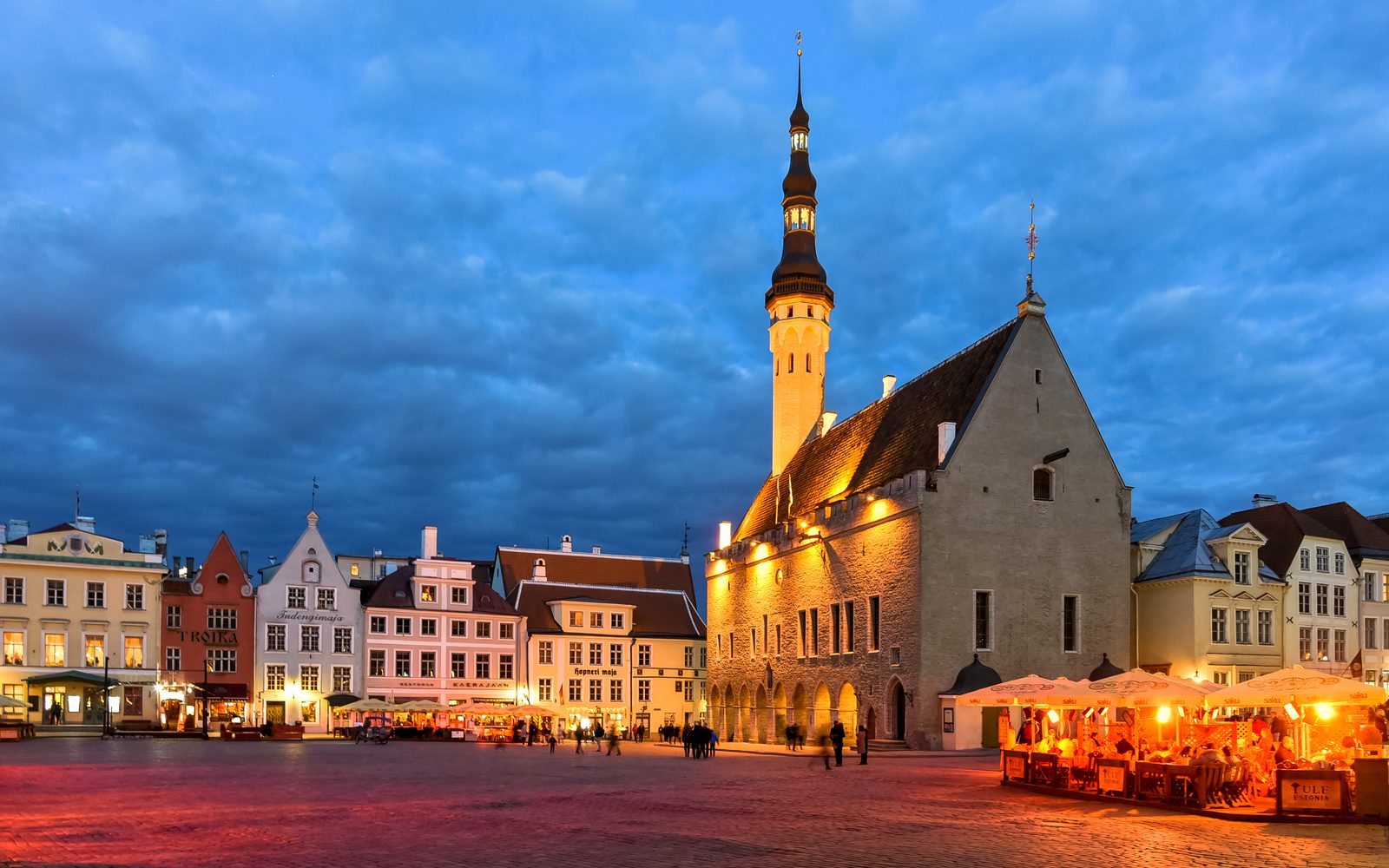
There is a moment, somewhere between the cobbled ramp up to Tallinn’s Toompea Hill and a late-night coffee in a Tartu bookshop-cafe, when Estonia quietly rewrites your idea of a European break. This is a country that guards a UNESCO-listed medieval Old Town with one hand and runs one of the world’s most digital societies with the other. For 2026, that contrast is exactly the draw.
Why Estonia Is Having Its Moment in 2026
Estonia has spent the last few years moving from “hidden gem” to genuine short-break contender, and 2026 is when it lands. Tallinn’s Old Town remains one of Europe’s best-preserved medieval centres, protected as a UNESCO World Heritage Site since 1997, yet the same city is a recognised leader in digital innovation, with creative districts like Telliskivi humming next to Gothic spires.
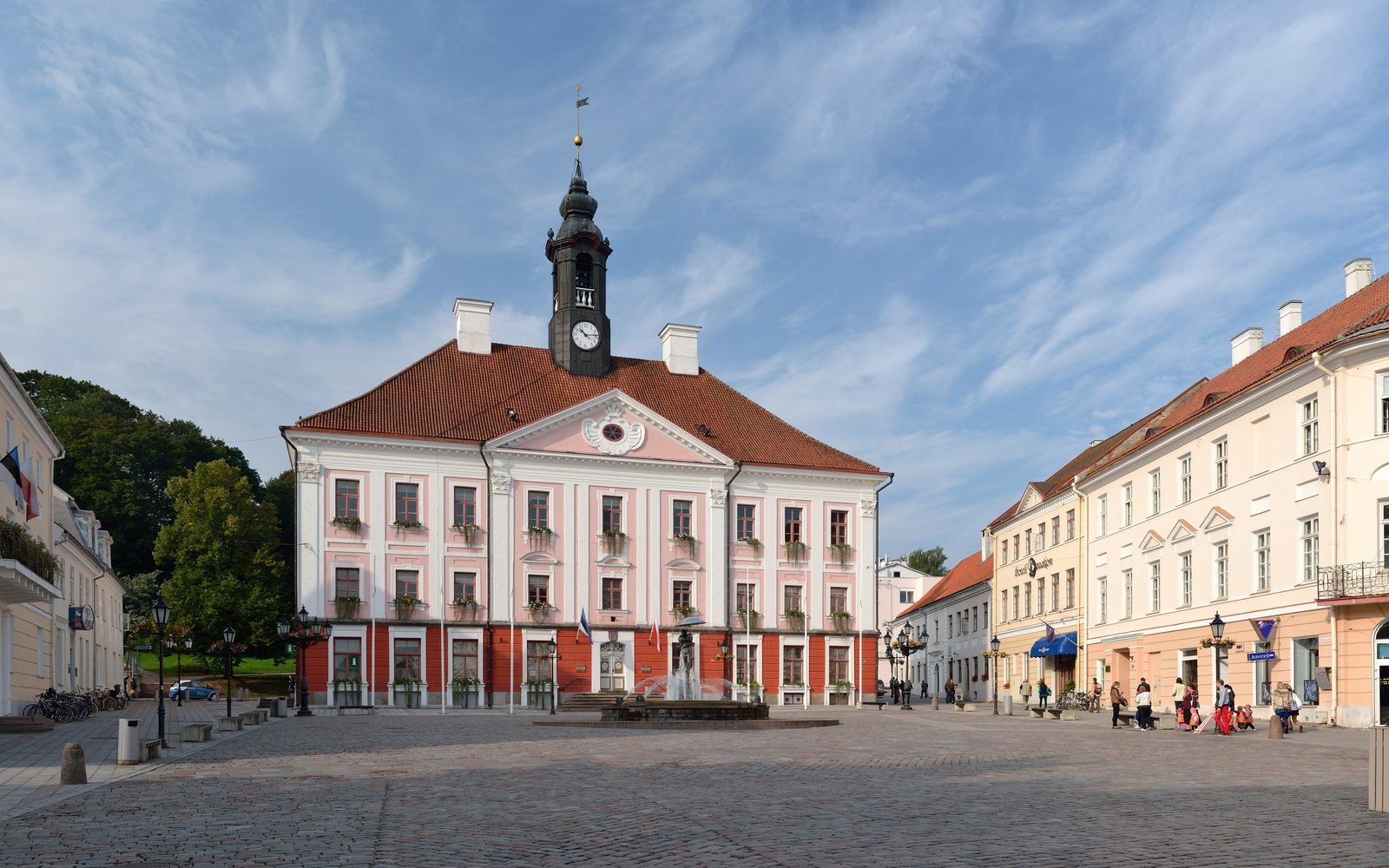
Tartu, Estonia’s second city, is the other half of the story. After serving as a European Capital of Culture in 2024, its cultural infrastructure kept growing, and the city has become a favourite among European city-break travellers looking for something less obvious than Prague or Vienna. Add a country-wide push toward easier access and seamless Schengen integration, and Estonia in 2026 feels both timeless and unmistakably current.
Tallinn: Medieval Walls, Modern Pulse
Start where every visitor does, in Tallinn’s Old Town. This is compact, walkable and dense with atmosphere: merchant houses, defensive towers, the viewing terraces of Toompea looking out over a sea of red rooftops, and quiet courtyards you stumble into by accident. Give it slow hours rather than a rushed checklist.
Then step outside the walls, because the modern city is where Tallinn surprises you:
- Telliskivi Creative City — a former industrial quarter turned hub of studios, design shops, street art and some of the best casual dining in town.
- Kalamaja — the wooden-house neighbourhood next door, all cafes, vintage stores and a relaxed, local feel.
- The seafront and Kadriorg — a baroque palace, leafy park and the KUMU art museum for a calmer afternoon.
The pairing is the point: you can spend a morning inside a fairy-tale medieval postcard and an evening in a warehouse-turned-food-hall, all within one small capital.
Tartu and the Creative Spark
An easy train ride south, Tartu trades Tallinn’s fortress romance for intellect and warmth. Home to Estonia’s oldest university, it carries a creative, student-city energy: indie bookstores, small galleries, street art tucked down side lanes, and cafes that double as informal cultural salons. It is the kind of place where a spontaneous conversation over coffee becomes the memory you take home.
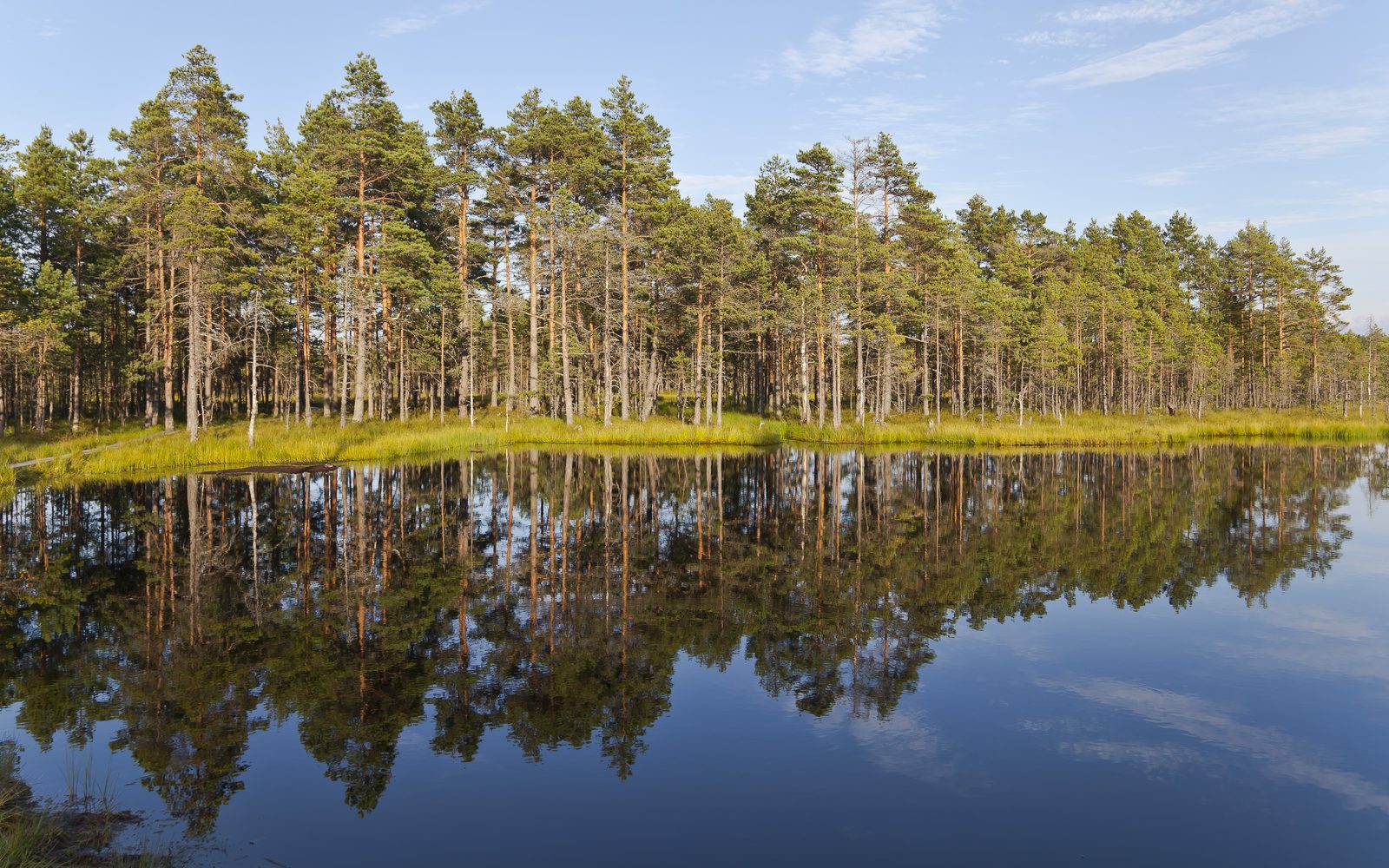
Tartu is also your gateway to the wider country. From here it is natural to reach into rural southern Estonia’s lakes and forests, or to plan onward to the islands. Speaking of which, Saaremaa and Hiiumaa — Estonia’s largest islands — deliver windmills, lighthouses, spa villages and a slower Baltic rhythm, and in summer they fill with music festivals. And the coastal resort town of Parnu is the traditional summer-beach counterpoint to all the culture.
A Suggested Rhythm: Around ~7 Days
A week is the sweet spot for a first, unhurried Estonia trip:
- Days 1–3, Tallinn. Old Town at a wander-and-linger pace, then Telliskivi, Kalamaja and Kadriorg. Leave an evening free for a long dinner.
- Days 4–5, Tartu. Slow mornings, museums and bookshops, the university quarter, and a day trip into the southern lakes and forests.
- Days 6–7, coast or islands. Either the ferry across to Saaremaa for windmills and spa calm, or the beaches and easy pace of Parnu before looping back to Tallinn to fly out.
Prefer a tighter city-break of ~4 days? Base yourself in Tallinn, give Tartu one full day by train, and save the islands for a return visit.
For Travellers From India
Visa. Estonia is in the Schengen Area, so Indian passport holders need a Schengen short-stay visa before travelling. You apply in India through the Estonian mission or a VFS Global centre, with the usual supporting documents — passport, photos, confirmed flights and accommodation, financials, and mandatory travel insurance. The standard adult Schengen fee is around ~EUR 90, and it is wise to apply several weeks ahead. A Schengen visa allows up to 90 days within any 180-day period across the whole area, so Estonia pairs neatly with a wider Baltic or Nordic trip.
Getting there. There are no direct flights, so expect one stop. Common routings from Delhi or Mumbai connect through European or Gulf hubs — think Helsinki, Copenhagen, Frankfurt or Istanbul — with carriers such as Finnair, Lufthansa, airBaltic, Air India, Etihad and Turkish Airlines serving the corridor. Realistic total journey time runs roughly ~11–15 hours depending on the connection. A popular trick is to fly into Helsinki and take the short ferry across to Tallinn.
When to go. Summer, roughly June to August, is the headline season: warm days around 19–22C, festivals across the islands, and the famous white nights in late June when the sun barely sets and daylight stretches to nearly 19 hours. Midsummer (Jaanipaeu, around 23–24 June) and Tartu’s Hanseatic Days medieval festival are worth planning around. Late spring and early autumn are quieter and gentler on the wallet; winter is cold and dark but delivers atmospheric Christmas markets.
Food and connectivity. Estonian cooking leans hearty and seasonal — black bread, forest berries and mushrooms, fresh Baltic fish, smoked meats — alongside a genuinely good modern cafe and craft scene, especially in Tallinn and Tartu. Vegetarians will find more options in the cities than in remote areas; a little advance planning helps. On connectivity, this is one of the easiest places on earth to stay online: fast, widespread public Wi-Fi and strong mobile coverage are effectively a national default.
Planning It Well
Estonia rewards a light, unhurried itinerary far more than a box-ticking sprint. Two or three grounded bases, generous time on foot, and a couple of set-piece experiences — an island ferry, a festival evening, a long Tartu afternoon — beat racing between sights. Book summer stays and any festival tickets early, allow buffer for the Schengen visa, and keep at least one day deliberately loose so the country can surprise you, which it will.
Let Tripcuro Plan Your Estonia Trip
Tripcuro designs your Estonia journey end to end, from the Schengen paperwork and the smartest flight connections out of India to a rhythm that balances Tallinn’s Old Town, Tartu’s creative spark and the quiet Baltic islands. We handle bookings, timing and every practical detail so you simply travel. Tell us how you like to explore, and we will craft an itinerary made only for you.