
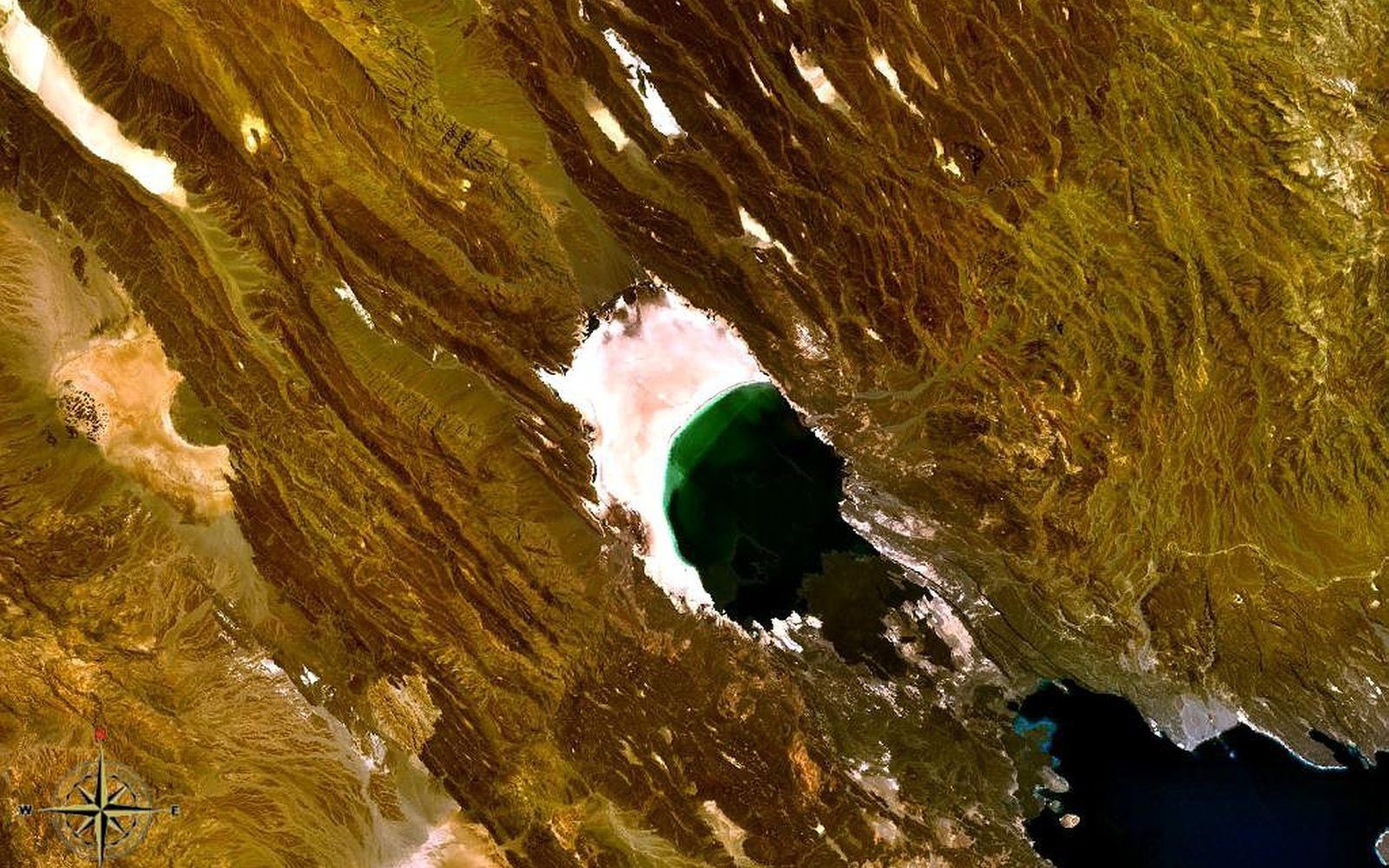
Most travellers have never seriously considered Djibouti, and that is exactly the point. Wedged into the Horn of Africa where the Red Sea funnels into the Gulf of Aden, this small country hoards a wildly disproportionate share of the planet’s strangest landscapes: an emerald crater lake ringed in salt at the lowest point in Africa, a moonscape of steaming limestone chimneys, and a warm gulf where the world’s biggest fish gather every winter.
For 2026, the timing has quietly tilted in its favour. Djibouti is pushing hard to reinvent itself as a green-tourism destination rather than a shipping hub, arrivals are climbing towards an ambitious 2030 target, and the country’s e-visa now makes what used to be a bureaucratic ordeal a matter of a few online forms. This is the moment to go, before the rest of the world catches on.
Why Djibouti is having its moment in 2026
For decades Djibouti’s economy leaned almost entirely on its port, one of the busiest bunkering and transshipment hubs on the Red Sea. That is changing. The government has made tourism an explicit priority as a way to diversify, and the numbers are moving in the right direction: the country logged more than 100,000 tourist arrivals through the first three quarters of 2024 alone, and officials are openly targeting 200,000 visitors a year by 2030, a goal that now looks reachable rather than aspirational.
What makes 2026 the year to plan around is that the ambition is genuinely green. Djibouti has publicly set out to become an epicentre of sustainable, ecologically minded travel, with plans for low-impact lodges designed not to become heat sinks and a tourism model built around its whale sharks, salt lakes and desert rather than mass concrete. There is also a small but meaningful financial footnote for travellers: Djibouti’s franc has been pegged to the US dollar for decades and remains stable, and dollars are widely accepted in hotels and tourist settings, which makes budgeting refreshingly predictable. Go now and you get the landscapes with almost none of the crowds.
The signature experiences worth building a trip around
Djibouti is small enough that a well-planned week can string together three or four genuinely once-in-a-lifetime places. The ones that consistently deliver:
- Lac Assal, the crater lake at the bottom of the East African Rift, sits about 155 metres below sea level, the lowest point on the African continent and one of the saltiest bodies of water on Earth. The shoreline is a blinding crust of white salt fringing turquoise brine, framed by black volcanic hills. You float effortlessly, and the whole scene feels closer to another planet than to anywhere on this one.
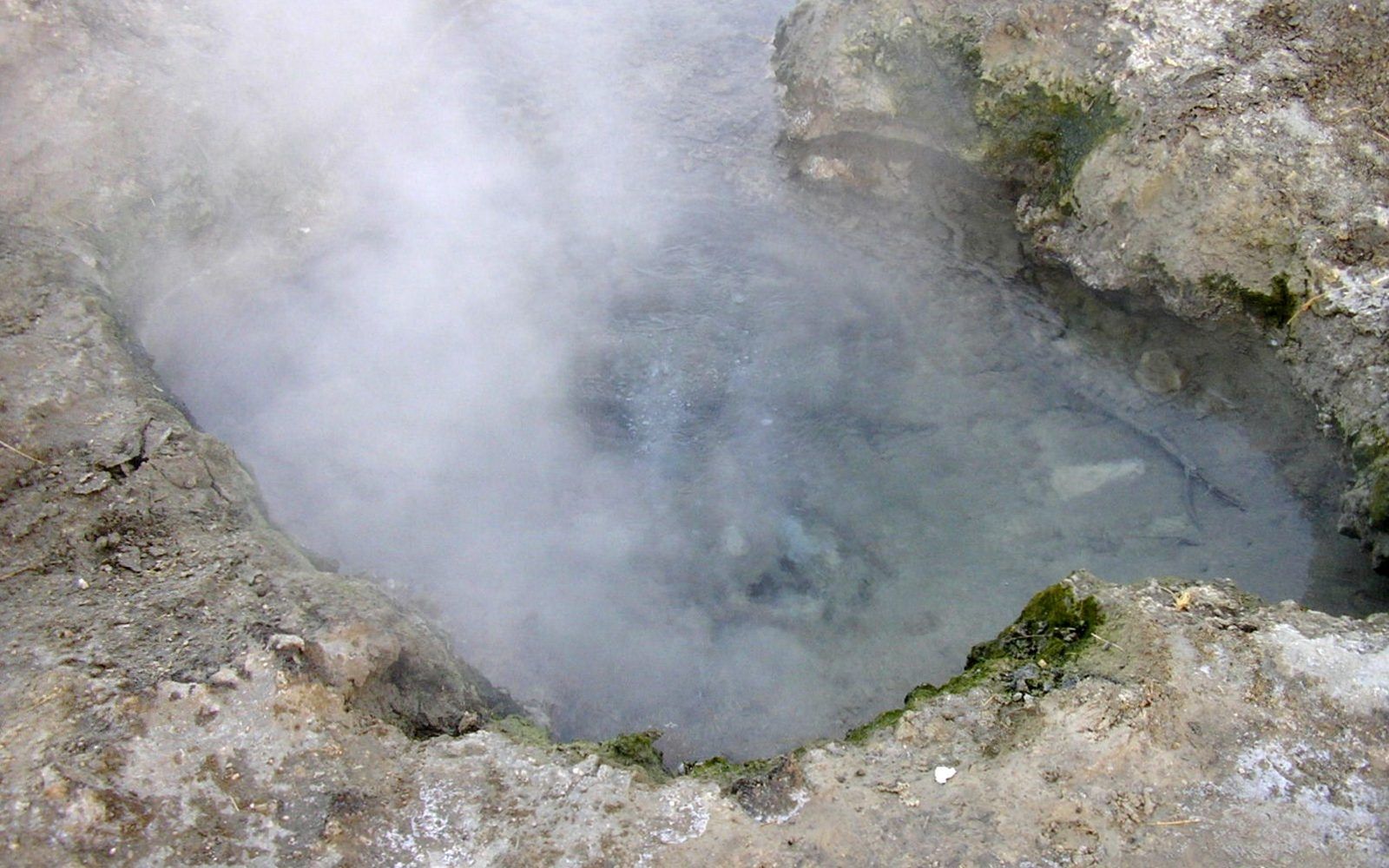
- Lake Abbé, straddling the Djibouti–Ethiopia border in the Danakil region, is the surreal counterpoint: a flat, cracked pan studded with towering limestone chimneys that hiss steam at dawn. It is otherworldly enough to have stood in for alien planets on film, and camping out to watch the sun rise over the smoking spires is the trip’s defining night.
- Swimming with whale sharks in the Gulf of Tadjoura is the headline act. Between roughly November and February, plankton-rich upwellings draw juvenile whale sharks into the gulf near Ras Korali, and Djibouti is one of the most reliable seasonal places on the planet to snorkel alongside them. December and January are the peak, with calm, warm water around 26 to 28°C and excellent visibility.
- The Gulf of Tadjoura itself rewards divers and snorkellers beyond the sharks, with coral reefs, the historic whitewashed town of Tadjoura, and quiet beaches reached by boat from the capital.
Woven through all of it is the sense of having the place largely to yourself, something almost no comparable landscape anywhere else can still offer.
A rhythm for a first trip
Djibouti packs a lot into a short distance, but the heat and the rough roads mean the smart move is to go slowly rather than sprint between wonders. A first trip of about six to eight days keeps the pace humane.
- Days 1 to 2, Djibouti City. Land, adjust to the heat, and use the capital as a base. Wander the French- and Arab-influenced streets, eat well by the water, and organise permits and guides for the interior.
- Days 3 to 4, the salt lakes and the Danakil. Head inland to Lac Assal, then push on to Lake Abbé for a night under the steaming chimneys. This is 4x4 country, and a guide who knows the tracks is non-negotiable.
- Days 5 to 6, the Gulf of Tadjoura. Base near the water for whale-shark snorkelling in season, or reef diving and the town of Tadjoura the rest of the year.
- Days 7 to 8, an unhurried finish. A quiet beach, a boat day, or a return to the capital to decompress before flying home.
The connective tissue is a good vehicle and a good driver-guide. Distances look short on a map, but roads and desert tracks make timing and local knowledge the difference between a magical day and a punishing one.

For Travellers From India
Visa. Djibouti runs a straightforward e-visa for Indian passport holders, applied for entirely online through the official portal before you travel, with no embassy visit required. Expect a single-entry tourist visa in the region of USD 100, typically issued to your email within about three to four business days; you carry a printout to present on arrival at Djibouti–Ambouli International Airport. Your passport needs at least six months’ validity and two blank pages, and you will usually be asked for a photo, your bio-data page, and proof of onward travel and accommodation. Always confirm the current fee and rules on the official evisa.gouv.dj site before applying.
Getting there. There are no direct flights from India, but the connection is easy. Ethiopian Airlines is the natural choice, flying from Delhi and Mumbai via its Addis Ababa hub, from where Djibouti is a short hop of under an hour. Realistic door-to-door journey times run roughly 10 to 13 hours depending on the connection. One-stop routings via Gulf hubs such as Dubai and Doha are also available, so travellers from Bengaluru, Chennai and Hyderabad have workable options too.
When to go. This is the single most important decision. Djibouti is punishingly hot from May to September, when Lac Assal and Lake Abbé become genuinely dangerous to visit. Aim for November to February, when temperatures settle into a comfortable 20 to 30°C range and the desert is enjoyable rather than hostile. That cool window is also, conveniently, whale-shark season in the Gulf of Tadjoura, so a single trip in December or January can combine the salt lakes and the sharks at their best.
Money, food and connectivity. The currency is the Djiboutian franc, pegged to the US dollar and stable for decades; dollars and euros are widely accepted in hotels and tourist spots, though you will want francs for markets and small vendors. Food leans French, Yemeni and East African, with excellent Red Sea fish, though vegetarian and Jain travellers should flag requirements in advance, as choice narrows outside the capital. For data, buy a local Djibouti Telecom (Evatis) SIM once in the city, as there is no eSIM option and none sold at the airport; coverage is good in Djibouti City but thins quickly in the desert interior, so treat the salt lakes as genuinely off-grid.
Exclusive Hotel Deals
Through our partnerships with luxury hotel programs, we can offer exclusive perks at 1+ properties in Djibouti:
Djibouti Palace Kempinski (Kempinski, 5-star, Djibouti)
- Daily breakfast for two people at the main restaurant
- Early check-in, late check-out subject to availability
- Personalized welcome note
- USD 50 or USD 100 hotel credit to spend in the hotel once per stay, not refundable (confirm with the hotel directly)
Planning it well
Djibouti is one of the last places where genuinely spectacular landscapes come without queues, but it asks something in return: it is remote, hot, thinly serviced outside the capital, and best experienced with someone who knows how to string the pieces together. The gap between a good trip and an unforgettable one lives entirely in the sequencing, matching your dates to the cool season and the whale sharks, pairing the salt lakes with the gulf, lining up the right 4x4, guide and permits for the Danakil, and choosing where to splurge on comfort in a country where comfort is scarce. Get those joins right and Djibouti delivers one of the most singular weeks of travel left on the map.
Let Tripcuro Plan Your Djibouti Adventure
Tripcuro designs your Djibouti journey end to end, from the e-visa paperwork and the smartest flights out of your city to a route that pairs Lac Assal and Lake Abbé with whale-shark season in the Gulf of Tadjoura. We time it to the cool months, secure the right guides, 4x4s and lodges, and handle the desert logistics so the whole trip simply flows. Tell us how you like to travel, and we will build a bespoke itinerary around it.