
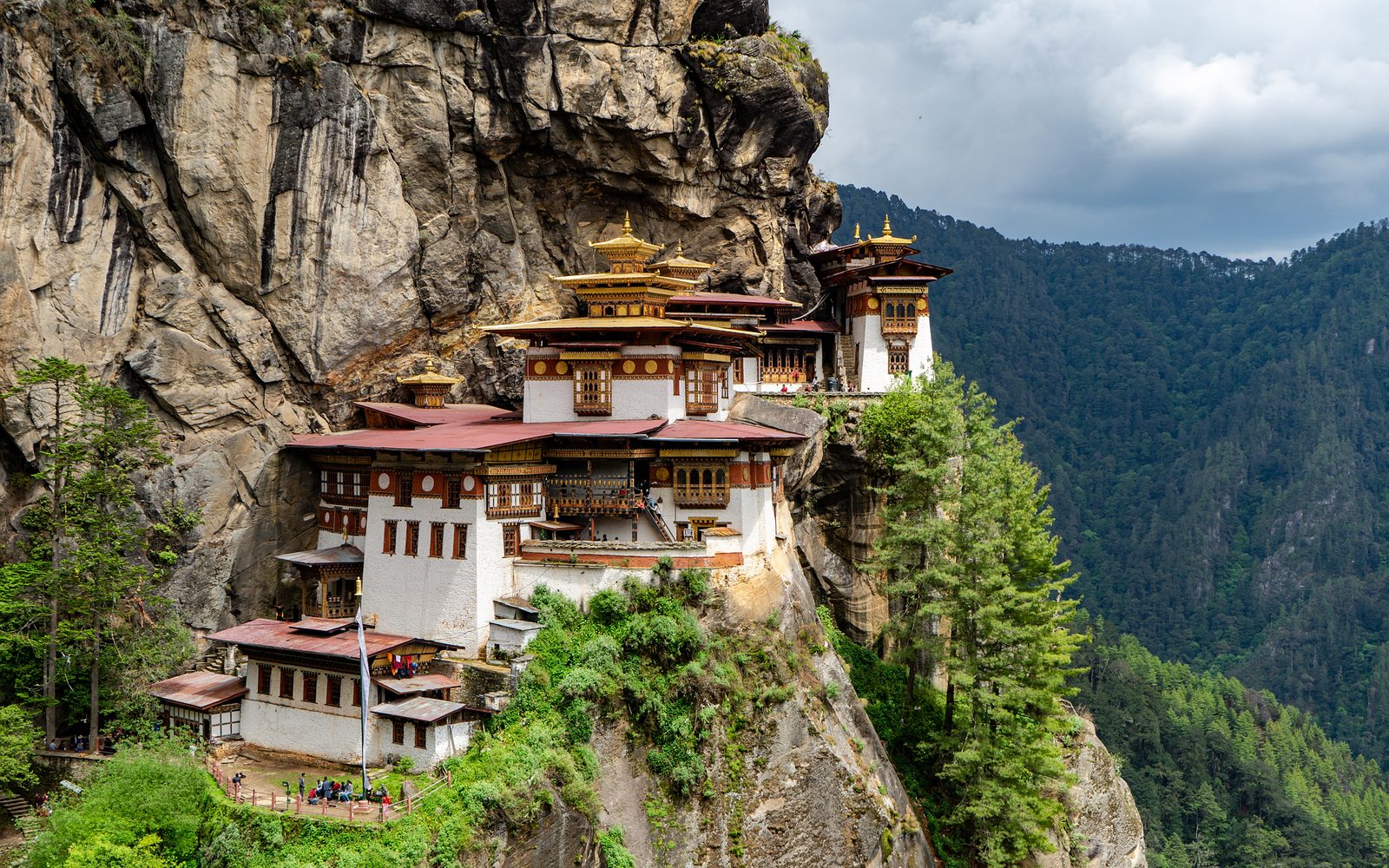
Some countries measure success in GDP. Bhutan measures it in Gross National Happiness. In 2026, this small Himalayan kingdom is quietly having its moment, and for once the hype is deserved. Here is why Bhutan belongs on your radar this year, and how to plan a trip that lives up to the postcard.
Why Bhutan Is Trending in 2026
For decades Bhutan was the destination you meant to visit “someday.” Two things are turning it into a now decision. The first is its unapologetic “High Value, Low Impact” tourism model: the country deliberately keeps visitor numbers in check through a Sustainable Development Fee, so the temples, trails, and valleys never feel like a queue. In a world of over-touristed hotspots, scarcity has become the draw.
The second is Gelephu Mindfulness City, an ambitious new project in the country’s south. Established by Royal Charter in December 2024, it is planned as a vast, autonomous region built on the principles of Gross National Happiness, with organic food, renewable power, and a guiding rule that buildings should not rise taller than the trees. Major airport construction there is slated to begin around April 2026, with the airport itself expected to open later this decade. You cannot visit the finished city yet, but its ambition has put Bhutan back in the global conversation, and that makes 2026 a compelling year to see the kingdom as it is now, before the change arrives.

The Signature Experiences and Regions
Bhutan rewards travellers who move slowly through a handful of valleys rather than racing across the map. The essentials cluster in the west and centre.
- Paro is where you land, and home to the country’s defining image: Paro Taktsang, the Tiger’s Nest monastery, clinging to a cliff roughly 900 metres above the valley floor. The hike up takes most people around 4 to 5 hours round trip and is worth every switchback.
- Thimphu, the capital, is famously the only one in the world with no traffic lights. Come for the 51-metre gold Buddha Dordenma statue watching over the valley, the takin preserve, and a walkable, low-rise city that feels more like a large town.
- Punakha sits lower and warmer, its subtropical air scented with jacaranda in spring. The Punakha Dzong, at the confluence of two rivers, is arguably the most beautiful fortress-monastery in the country.
- Bumthang, further into the central heartland, is the spiritual core: a cluster of sacred valleys, ancient temples, and some of Bhutan’s most atmospheric festivals.
Time your trip around a tshechu, a masked religious festival, and the experience deepens considerably. In 2026 the Paro Tshechu falls in late March to early April, and the Thimphu Tshechu in late September, both lining up neatly with the best weather of the year.
A Suggested Rhythm
Bhutan is not a destination to rush. A well-paced first visit runs around 6 to 7 days, giving the high-altitude valleys room to breathe.
- Days 1 to 2: Arrive in Paro, acclimatise gently, and explore the valley and its dzong.
- Days 3 to 4: Drive to Thimphu for the capital’s sights, then cross the pass to Punakha for the dzong and the warmer riverside air.
- Days 5 to 6: Return toward Paro and save the Tiger’s Nest hike for a clear morning near the end, when you are acclimatised and the light on the monastery is at its best.
- Day 7: A slow departure, or an extra buffer day for weather.
If you have more time, extend eastward into Bumthang for the central valleys, or add days around a festival. The mantra throughout: fewer places, more presence.

For Travellers From India
Bhutan is unusually accessible for Indian passport holders, which is a large part of its appeal.
- Entry: Indian nationals do not need a conventional visa. Under the long-standing India-Bhutan treaty, you enter on an Entry Permit rather than a visa, carrying a valid Indian passport (valid at least six months) or a voter ID card. The permit can be arranged online in advance or on arrival at designated entry points.
- The fee: Indian travellers pay a reduced Sustainable Development Fee of about INR 1,200 per person per night, far below the roughly USD 100 per night that other international visitors pay. Children under five are exempt. Note that a new GST on tourism services is being applied in 2026, so confirm the final all-in cost with your planner before you commit.
- Getting there: Direct flights to Paro run from several Indian cities, including Delhi, Kolkata, Guwahati, Bagdogra, and Gaya, operated by Drukair and Bhutan Airlines. From Delhi the flight is roughly 2.5 to 4 hours depending on routing; from Kolkata it can be as short as about an hour. Frequency rises toward daily in peak season, so book early. It is also possible to enter overland via border towns such as Phuentsholing, though travel beyond them requires a permit.
- Best time to go: Spring (roughly March to May) and autumn (roughly late September to November) are the sweet spots, with mild days, clear mountain views, and the major festivals. The monsoon from late June through August brings most of the year’s rain and slick trails, so it is best avoided if hiking is central to your plans.
- Food and connectivity: The national dish, ema datshi, is chillies cooked in cheese, and Bhutanese cooking leans genuinely spicy, so Indian palates tend to feel right at home. Red rice, momos, and buckwheat dishes round out the table. Indian mobile networks work in parts of the country, and hotels generally offer Wi-Fi, but expect connectivity to thin out in remote valleys, which is rather the point.
Planning It Well
Bhutan is not a country you improvise. The tourism model is built around booking ahead, the good hotels and festival dates fill months out, and the driving distances between valleys are longer than the map suggests. Travellers are commonly advised to lock plans several months in advance, especially around a tshechu.
That is exactly where a bespoke plan pays off: the difference between a rushed loop and a trip paced to Bhutan’s rhythm is almost entirely in the planning. Get the permits, the flights, the festival timing, and the day-by-day flow right, and the kingdom does the rest.
Let Tripcuro Plan Your Bhutan Trip
Tripcuro designs your Bhutan journey end to end, from Entry Permits and Paro flights to a valley-by-valley rhythm built around the festivals and hikes you care about. We match the season to your interests, secure the right stays before they fill, and handle every detail so you arrive ready to simply be present. Tell us how you like to travel, and we will craft an itinerary that feels made for you.